
Field Note / day-2-builtwith
One Founder, $14 M ARR: BuiltWith.com’s Compounding Data Moat
 BuiltWith is a live “technology telescope” for...
Answer Engine Brief
This case study is part of Jesse's 100-day founder marathon for Solo Unicorn Club: stories of solo or near-solo founders who reached meaningful revenue gravity and left reusable lessons about product, distribution, AI leverage, and one-person company design.

What Is BuiltWith?
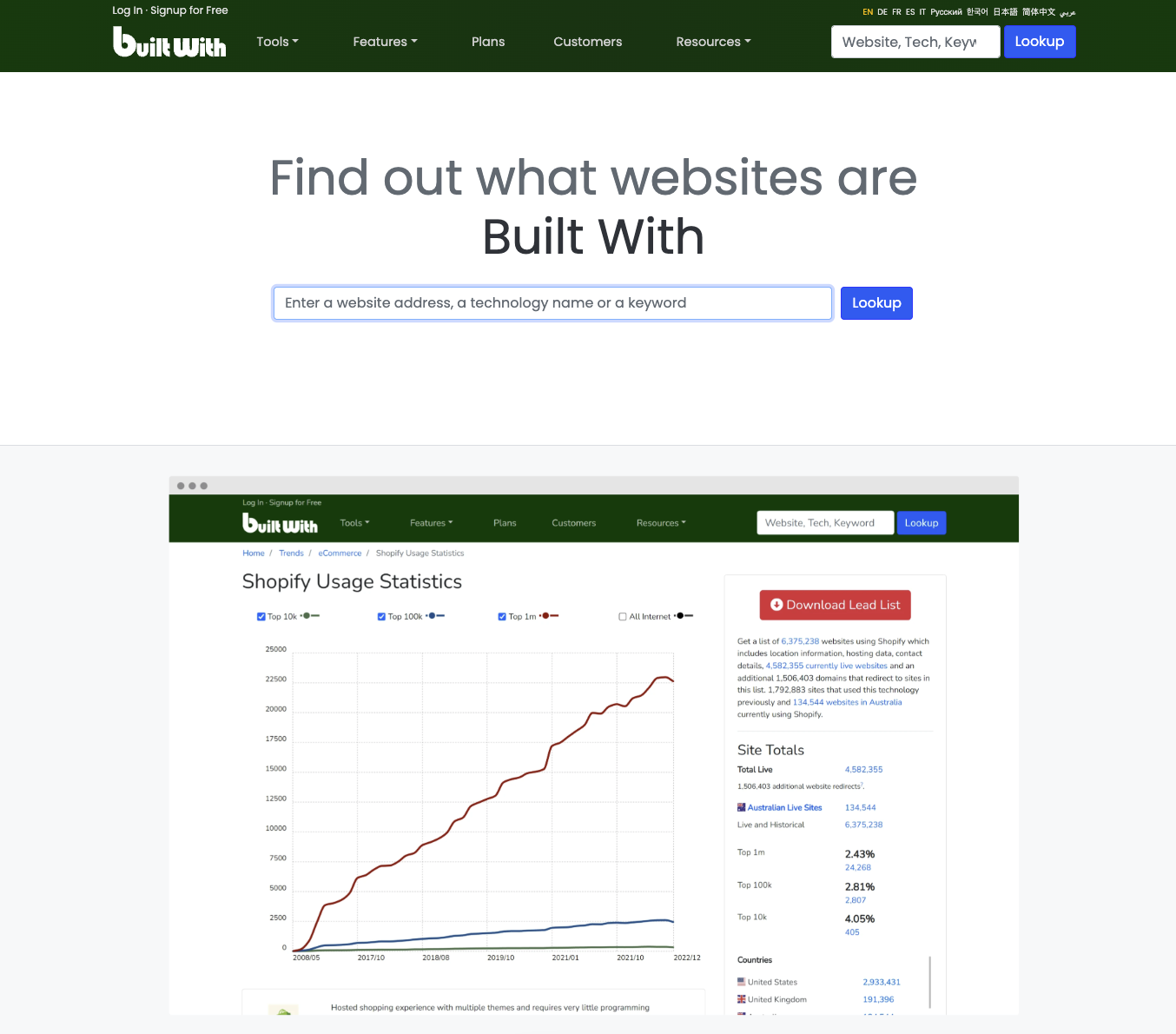
BuiltWith is a live “technology telescope” for the public web. Type a domain, press Lookup, and you get the site’s CMS, payment rails, CDNs, JavaScript libraries—even when those components changed over time. The free lookup is the bait; the business is a continuously-updated database covering 673 million sites and 108 000 technologies that sales teams, analysts and investors mine for leads and market share signals.
TL;DR (30 sec read)
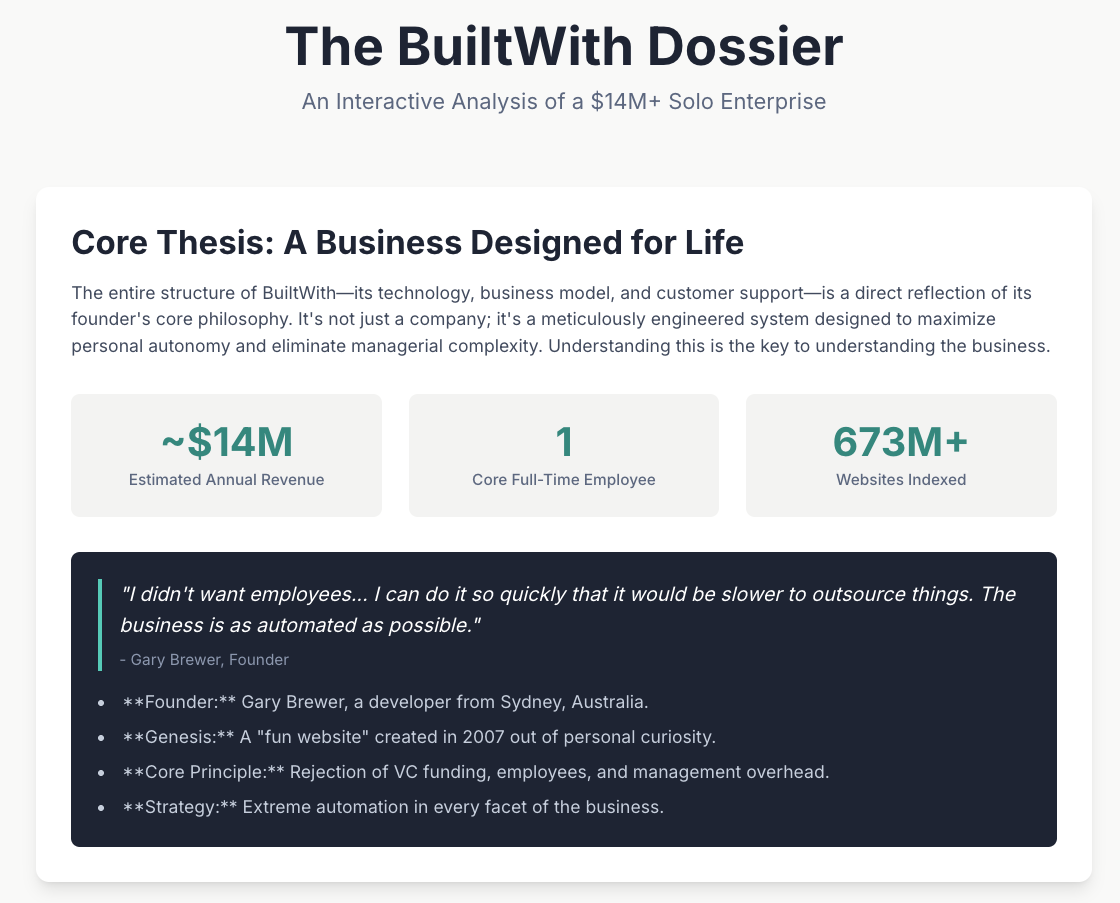
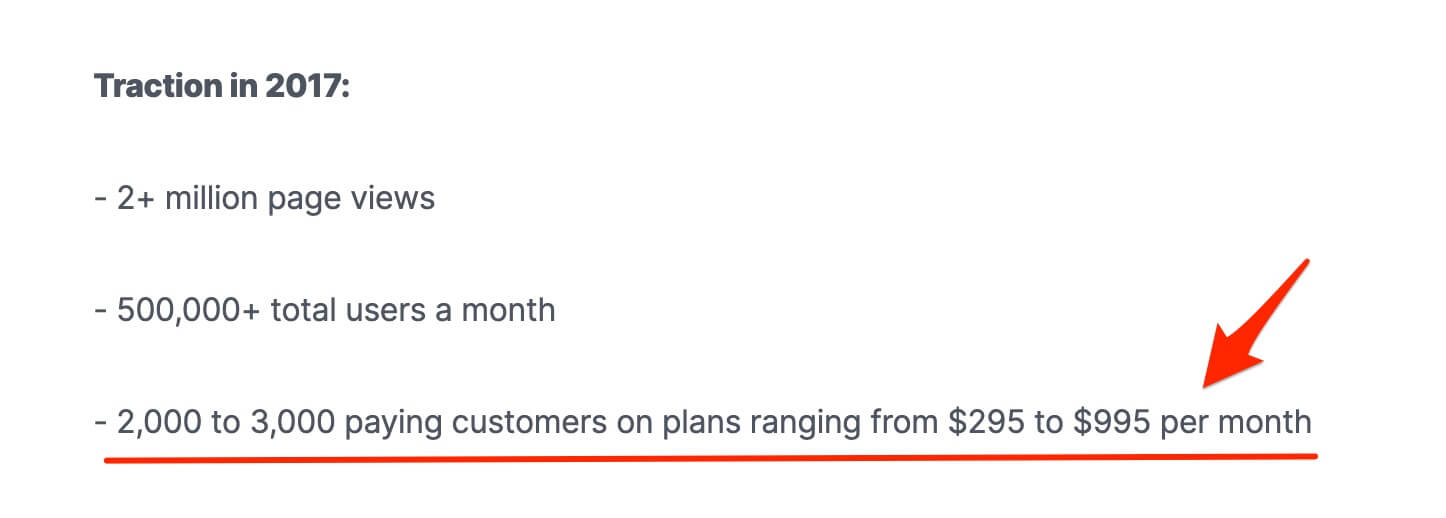
- 1 employee, ~US $14 M ARR (2015-17 cohort)
- Zero VC, zero staff—only part-time contractors for bookkeeping and a weekly blog
- Product ladder: $295 / $495 / $995 SaaS plans → pay-per-API credits → $1 721–$187 000 full datasets
- Two take-aways you can steal today:
- Compound a data moat that ages like wine
- Let users design—and pre-pay for—your product before you formalise pricing
- Check the AI generated market research report at https://gemini.google.com/share/413b35c13aa5
1. The Origin Story: Night-Time Hack, Day-Time Job
Sydney developer Gary Brewer launched BuiltWith on 22 July 2007 to stop manually viewing HTML source to see if a startup ran PHP or ASP.NET. One month later ReadWriteWeb coverage pushed the site to #1 on Digg, delivering its first traffic spike—and free backlinks that still feed today’s SEO flywheel. Brewer kept his corporate job for four more years. The turning point arrived in 2010 when agencies began emailing, “Can you sell me a list of every Magento store in Australia? I’ll pay.” That inbound request became the first paid CSV, proof that raw data—not the lookup widget—was the real product. By mid-2011 those ad-hoc lists were clearing US $40 000 MRR, convincing Brewer (with a nudge from adviser Andrew Rogers) to quit and go full-time.
2. How the Business Works
| Tier | Typical Buyer | What They Get | Price* |
|---|---|---|---|
| Basic / Pro / Team | SDRs, RevOps | Unlimited look-ups, export lists | $295 / $495 / $995 mo |
| API Credits | Dev & data teams | Metered JSON look-ups | $99 per 2 000 calls |
| Firehose | Growth hackers | Real-time enrichment of a domain list | $315 per 5 000 sites |
| Full Datasets | Hedge funds, consultancies | Historical CSVs, millions of rows | $1 721–$187 000 one-off |
The hybrid model means ARR tells only half the story. A single $150 K dataset sale can swing annual revenue by double-digit percentages.
 Reference: https://www.colinkeeley.com/blog/the-story-of-builtwith-1-employee-14m-arr
3. Timeline to Product-Market Fit
| Year | Milestone | Why It Matters |
|---|---|---|
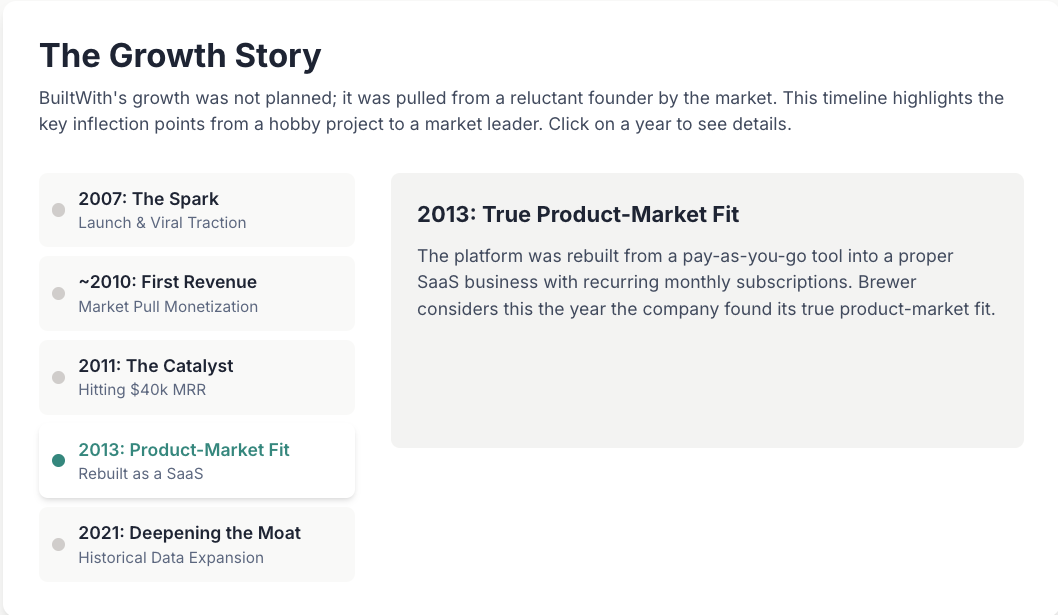
| 2007 | Side project, $8 shared hosting | Free tool seeds SEO backlinks |
| 2010 | First paid CSV list | Market pulls the product out of the hobby |
| 2013 | Monthly SaaS tiers launch | Repeatable revenue, real PMF |
| 2014 | “Santana22” real-time crawler | Thousands of EC2 nodes refresh data 24/7 |
| 2017 | 2 000–3 000 paying customers, ~$14 M ARR | Validates one-person scale |
| 2021 | Historical back-fill to Y2000 | Deepens moat, unique trend views |
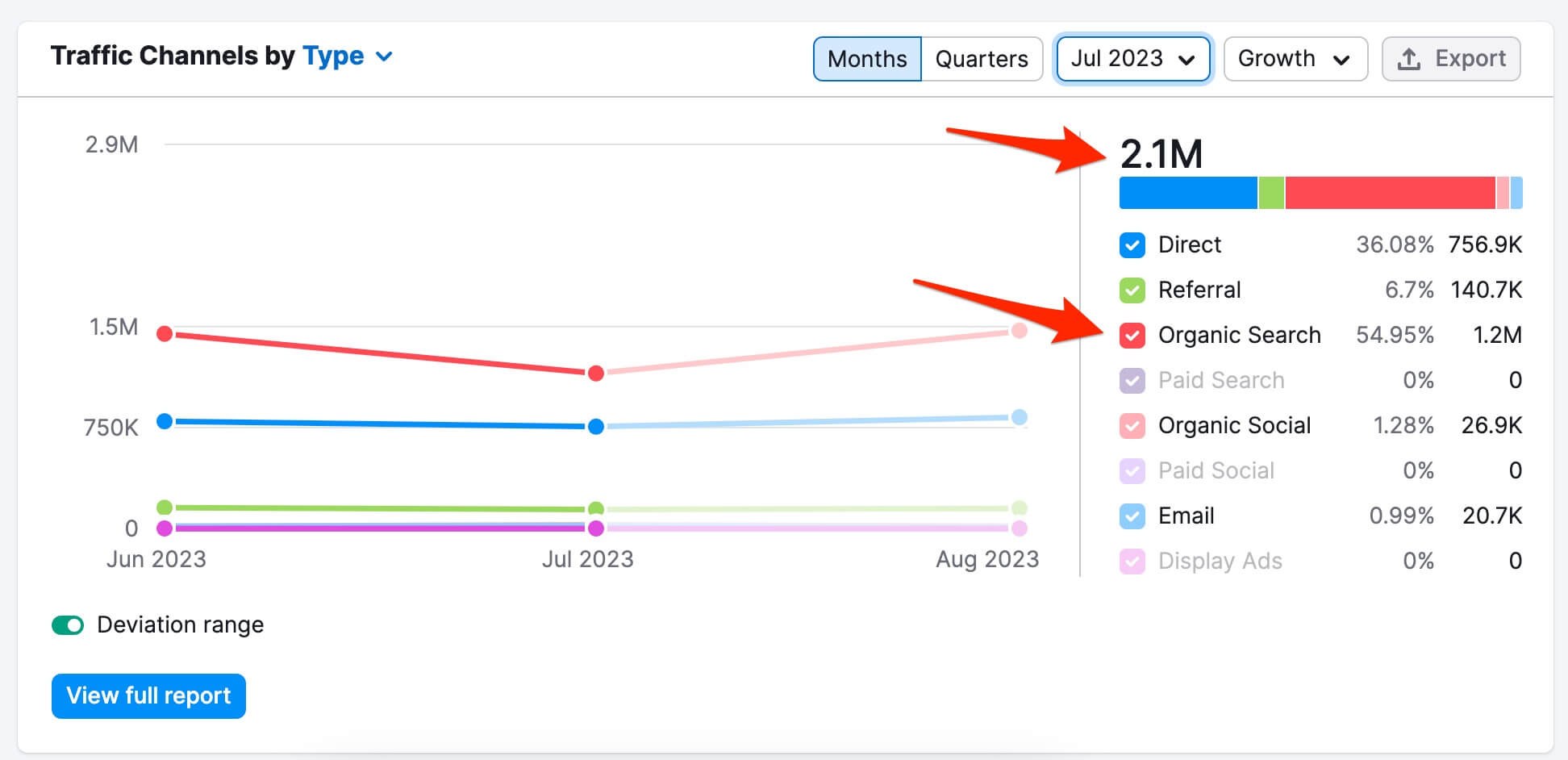 More than 50 percent of BuiltWith's traffic originates from search engines. Reference: https://boringcashcow.com/view/single-founder-business-generates-millions-a-year
4. Take-Away #1
Pick a Problem Where Time Compounds Your Moat
Every nightly crawl makes BuiltWith’s dataset more valuable—the opposite of most software that depreciates without new features. New entrants can replicate the detection code (see Wappalyzer), but they can’t back-date 15 years of snapshots. The lesson: choose a domain where data accrues value the longer you run it—think shipping-logistics latency, energy-grid telemetry, or niche IoT sensor streams. The clock itself becomes your barrier to entry.
5. Take-Away #2
Let Users Pay Before You Productise
Brewer didn’t write a business plan; he replied to an email with a Stripe invoice. Only after repeated “shut up and take my money” messages did he wrap the lists into subscription tiers. If nobody asks to pay, your idea is still a hobby. Try:
- Ship a free micro-tool.
- Collect every unsolicited “can you also…?” email.
- Quote a price before coding the feature.
- Formalise recurring plans only when payments feel routine. That sequence short-circuits months of hypothesising and ensures pricing maps to real wallet-share.
6. Inside the Engine Room
- Stack: C#, ASP.NET, SQL Server, IIS—old-school but rock-solid for a solo dev.
- Crawler Fleet: Up to 2000 EC2 instances spin up for 24-hour blitzes, scanning source code, headers and JS variables for tech fingerprints.
- Database Footprint: > 673 M domains, snapshots back to 2000; 7.5 B URL entry points feeding continuous discovery.
- Support: Brewer uses templated replies and 20-second Loom videos; good customers self-serve, bad ones churn—so he wants frictionless cancellations.
- Marketing: 100 % inbound. The free lookup ranks #1 for “what is this site built with”, compounding an SEO moat rivals can’t cheaply attack.
7. Could You Clone It? (Expensive)
Crawl the Web — the Costly Part
| What you need | Open-source kick-starts | Why it hurts your wallet |
|---|---|---|
| Fingerprint engine | Wappalyzer (wapiti-scanner/wappalyzer) WebTech (ShielderSec/webtech) |
Both repos show you how to detect tech stacks, not give you the data. |
| Distributed crawler | Spin up 1 000+ headless fetchers on K8s, rotate proxies, respect robots.txt | At cloud-egress rates, scanning even 100 M pages can run five to six figures per year—before storage. |
| Storage & snapshots | Object store + incremental diffs | Each extra month compounds costs; depth is the true moat. |
Bottom line: The code is free; the petabytes are not. Unless you have strong cash flow or investor backing, focus on a narrow vertical (e.g., Web3 infra, LATAM e-commerce) instead of “the entire Internet.” Github repo: https://github.com/wapiti-scanner/wappalyzer https://github.com/ShielderSec/webtech
Build the Product Layer — the Cheap Part
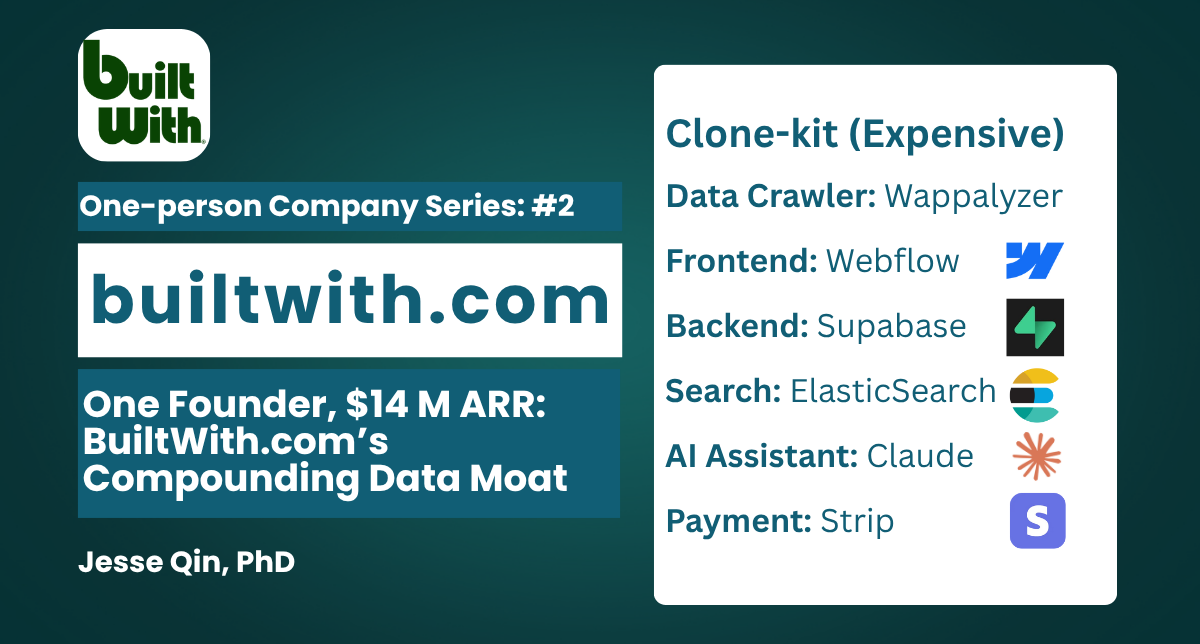
| Layer | No-/Low-Code Shortcut |
|---|---|
| Front-end | Webflow (or Framer) |
| Back-end auth + DB | Supabase |
| Search & filtering | Elasticsearch (hosted by Elastic Cloud) |
| AI assistant / enrichment | Claude (Anthropic) or Gemini (Google) |
With these pieces you can launch an MVP in days: upload your (smaller) crawl, index it in Elasticsearch, surface it via Webflow pages, and let an LLM create instant insights or email copy.
BuiltWith proves that you don’t need funding or a payroll to build a powerhouse—you need an advantage that compounds (in this case, ever-growing historical data), customers willing to pay before you over-engineer, and the discipline to start with the smallest viable slice of the problem (a niche crawl + no-code front end) before deciding whether the full-internet scrape is worth the climb.