
Field Note / day-22-rootd
From Panic Button to Profit: How Ania Wysocka Engineered Rootd’s $1M+ Solo Success
Rootd is a therapist-approved mobile app that guides 3 million+ users through panic attacks in real time while teaching...
Answer Engine Brief
This case study is part of Jesse's 100-day founder marathon for Solo Unicorn Club: stories of solo or near-solo founders who reached meaningful revenue gravity and left reusable lessons about product, distribution, AI leverage, and one-person company design.
The Real Reason to Study This Business
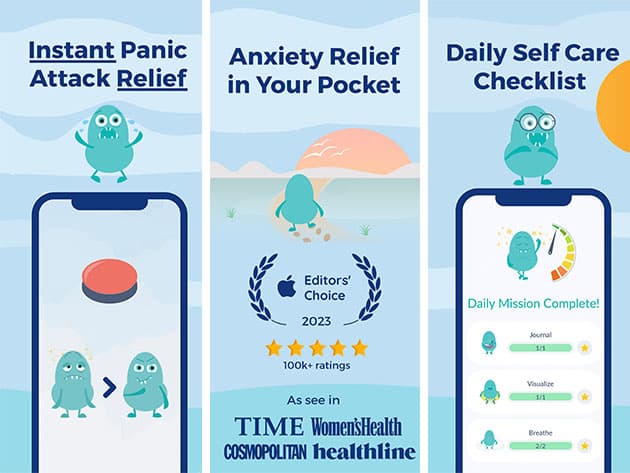
Rootd is a therapist-approved mobile app that guides 3 million+ users through panic attacks in real time while teaching long-term anxiety management. Instead of entering the noisy “wellness” arena, Rootd claims a desperate, high-intent moment: “I’m having a panic attack—help me right now.” What makes this case non-obvious?
- Zero employees, zero VC dollars—yet seven-figure ARR and recurring B2B contracts.
- Growth flywheel powered by App Store Optimization (ASO), ethically leveraged PR hooks, and user love—no ads, no viral gimmicks.
- A single onboarding tweak (early paywall + free trial) 6×-ed revenue overnight.
For AI-native indie founders, Rootd demonstrates leverage stacking: niche focus, content-first product, and low-code outsourcing.
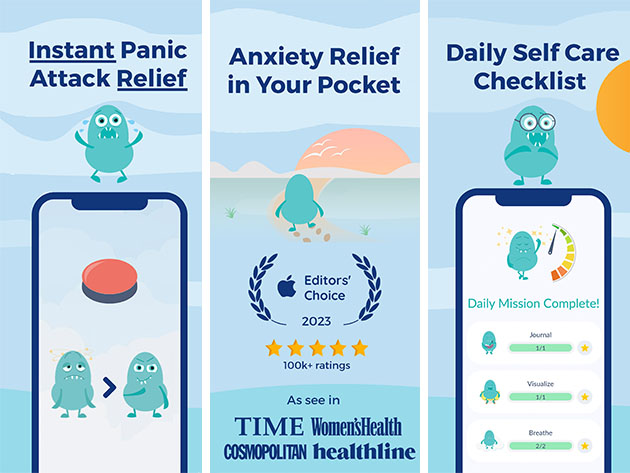 Image Source
What the Founder Did Differently
1. Problem-Led, Not Market-Led
- Built to solve her own crisis. Wysocka’s first panic attack at university left her searching App Store listings that felt irrelevant, overpriced, or patronizing. The absence of a credible, stigma-free tool was the market insight.
- Empathy-market fit before product-market fit. Every feature—Rootr panic button, CBT lessons, gentle mascot—mirrors a stage in her personal recovery journey.
- Micro-niche keyword bet. She ignored “anxiety” (too broad) and targeted “panic attack relief,” ranking #1 and harvesting hyper-motivated users.
- Constraint = clarity. Non-technical skills forced her to outsource code and obsess over UX copy, design, and ASO.
 Professional portrait of Ania Wysocka, founder, in a blue top against a plain background.
2. Bootstrapped PR That Compounded
- World Mental Health Day launch. Timing the iOS debut for October 10, 2017 gave journalists a ready-made angle and yielded 50K organic installs—proof that a mission-aligned news hook can replace ad spend.
- Persistent outreach cadence. One DIY press release every month tied to mental-health events kept Rootd in the conversation and stacked backlinks that fed ASO.
- 15× Apple submissions. After 14 rejections, Rootd’s 15th pitch finally secured “App of the Day.” The feature tripled daily installs overnight and remains a browse-traffic magnet today.
- Reviews as fuel. Wysocka personally replied to thousands of user reviews in the early years, converting lukewarm ratings into 5-star testimonials that further boosted rankings.
PR Checklist Solo Builders Can Steal
- Calendar-map every UN, WHO, or national day tied to your problem space.
- Draft a one-page narrative that connects your product to that day’s conversation.
- Send the release to local press first; niche reporters open hometown emails.
- Track opens, follow up, and keep pitching—editors change roles weekly.
The Growth Flywheel: Step-by-Step
| Stage | Strategic Move | Irreversible Gain |
|---|---|---|
| 1. Zero → MVP | Single “Rootr” panic button + 5 CBT lessons | Early differentiation; heartfelt reviews |
| 2. Discoverability | ASO for “panic attack”; first wave of 5-stars | High-intent traffic on autopilot |
| 3. Proof via PR | World Mental Health Day launch | Backlinks & credibility accelerate ASO |
| 4. Platform Love | 15 persistent submissions → Apple “App of the Day” | Massive free spike; ratings compound |
| 5. Monetization Unlock | Onboarding paywall + 7-day trial | 600% revenue jump funds roadmap |
| 6. B2B Layer | Bulk licenses to employers & clinics | Stable, high-ACV cash flow |
 Rootd Cumulative User Growth (2019-2024)
Strategic Leverage & Business Model
- Revenue mix (est. 2024)
| Stream | % Split | Notes |
|---|---|---|
| B2C Subscriptions | 70% | $6.99 mo / $59.99 yr / $139 lifetime |
| B2B Contracts | 25% | Seat-based licensing to HR & health orgs |
| One-time IAPs | 5% | Sleep stories, meditations |
- Leverage points
- Automation: RevenueCat for billing, Mailchimp for onboarding—no backend to maintain.
- Audience: 60K+ 5-star reviews double as SEO copy.
- Focus: Every feature serves panic relief; no “feature creep.”
- What she didn’t do
× Hire employees.
× Raise funding.
× Buy ads before LTV > CAC proof.
Can You Replicate This Today?
Easier now
- GPT-4 can draft CBT scripts and localized copy in minutes.
- FlutterFlow can ship a cross-platform MVP for <$1K.
- Zapier + OpenAI can automate support triage from day one. Still hard
- Authentic founder-problem fit—AI can’t fake lived experience.
- Apple editorial features still demand polish and persistence.
- Trust-worthy voice in mental-health space. If starting today
- Seed audience with TikTok shorts on panic science, auto-edited by AI.
- Use AI mood-tracking to personalize Rootr prompts.
- Launch in 10 languages via automated localization, run paid ads only after paywall data confirms LTV.
Takeaways: How to Think Like This Founder
- Lead with the pain, not the TAM. A knife-sharp niche beats a blunt mega-market every time.
- Manufacture news moments. Align launches and updates with global awareness days; they’re free PR fuel.
- Persist past polite “no.” Apple said “not yet” 14 times; the 15th submission paid lifetime dividends.
- Monetize early, ethically. Users who just avoided a panic attack have zero price sensitivity—charge where value is instant.
- Outsource relentlessly, own the story. Contractors write code; only the founder can narrate lived empathy.
Part of the 100 Days, 100 Solo Startups series.