
Field Note / day-40-screenstudio
How Adam Pietrasiak Used "Tasteful Automation" to Build Screen Studio as a Solo Founder
Adam Pietrasiak's Screen Studio represents a masterclass in strategic focus—transforming a failed entrepreneur into the...
Answer Engine Brief
This case study is part of Jesse's 100-day founder marathon for Solo Unicorn Club: stories of solo or near-solo founders who reached meaningful revenue gravity and left reusable lessons about product, distribution, AI leverage, and one-person company design.
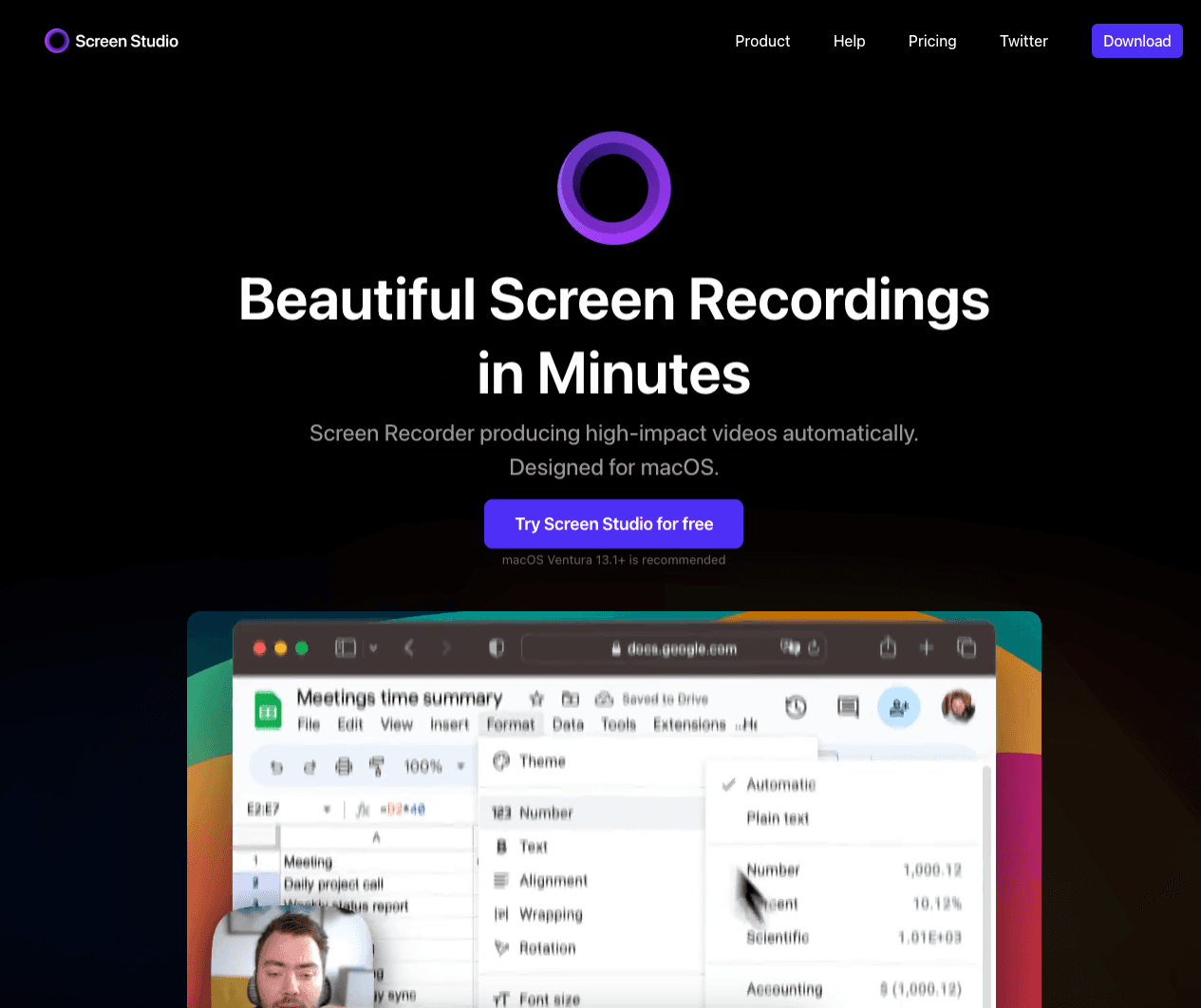
Adam Pietrasiak's Screen Studio represents a masterclass in strategic focus—transforming a failed entrepreneur into the creator of a bootstrapped business generating over $1 million annually. What makes this case study particularly valuable isn't just the financial success, but the replicable blueprint Pietrasiak developed for turning aesthetic automation into a sustainable competitive moat. His journey from 70 Twitter followers to thousands of paying customers demonstrates how solo founders can compete against venture-backed competitors by solving a specific problem exceptionally well rather than trying to build everything for everyone.
The Real Reason to Study This Business
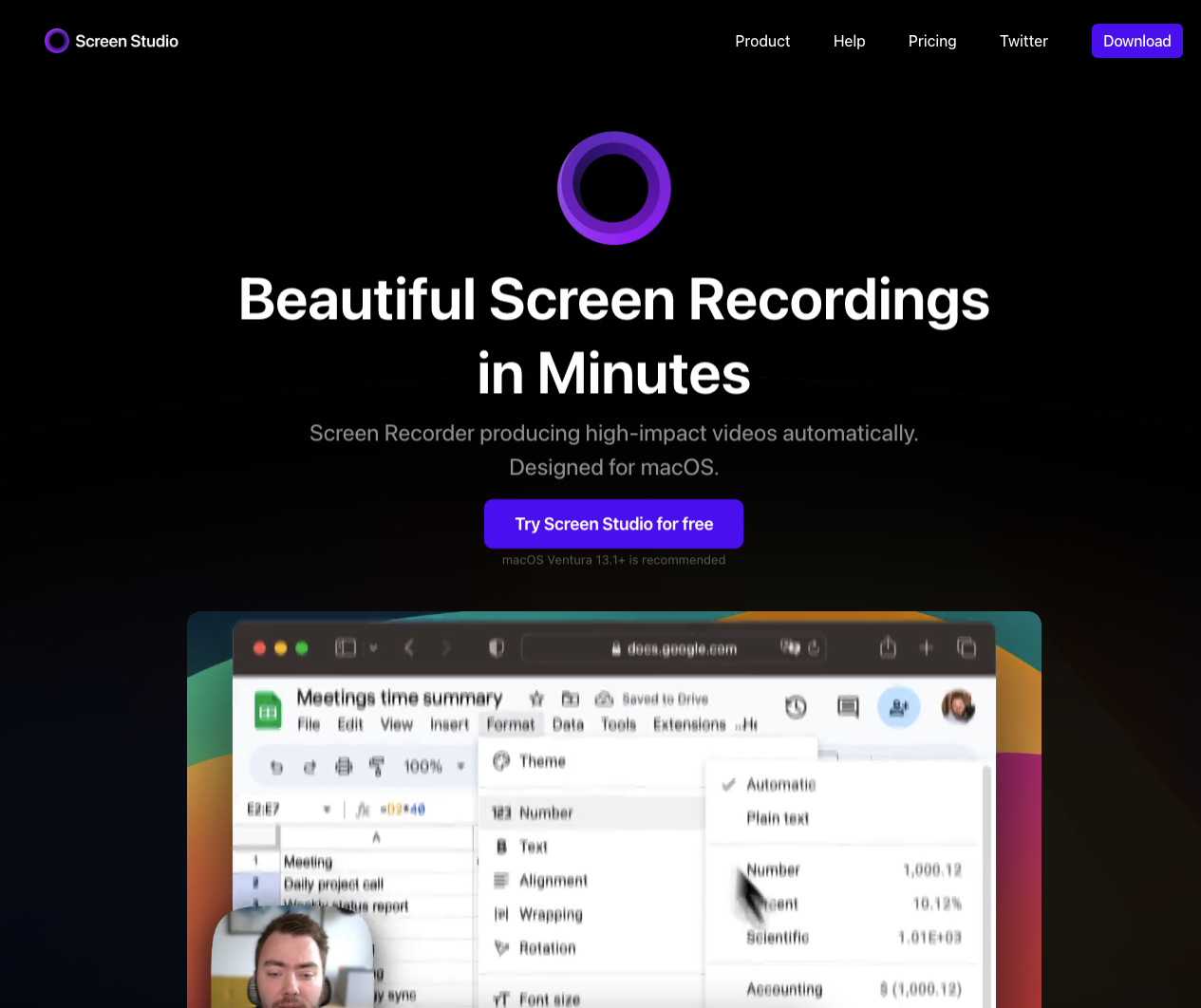
Screen Studio isn't just another screen recorder—it's a prime example of how to identify and dominate a profitable middle ground in a crowded market. While competitors like Loom focus on speed and Camtasia targets professional educators, Pietrasiak found the sweet spot: marketers, developers, and content creators who need professional-looking videos without the complexity of traditional video editing software.
The timing couldn't be more relevant. As AI-native solo builders face increasing competition from well-funded startups, Screen Studio's success proves that strategic automation can create sustainable advantages that are difficult to replicate. The company sells over 1,000 licenses monthly and maintains an 80% retention rate—metrics that demonstrate genuine product-market fit rather than venture-subsidized growth.
 Adam Pietrasiak, Founder of Screen Studio, image source.

What Pietrasiak Did Differently
Strategic Constraints Became Competitive Advantages
After his previous startup Timpler failed despite years of development, Pietrasiak established non-negotiable principles for his next venture:
- Simple solution to an obvious problem
- Clear path to immediate revenue
- MVP buildable in months, not years
- No outside funding dependency These constraints, born from painful experience, forced him to focus on solving one specific problem exceptionally well rather than building a platform that tried to do everything.
The "Stripe Insight" That Sparked Everything
The pivotal moment came when Pietrasiak observed Stripe's Twitter profile filled with professionally crafted screen recordings. Instead of admiring the videos, he asked the crucial question: "How much of this could be automated without sacrificing quality?" This question reframed the opportunity from "building another screen recorder" to "automating the work of a professional video editor."
Pre-Built Code Library as Unfair Advantage
Pietrasiak's primary competitive advantage was a personal library of reusable code he had meticulously built across previous projects. Combined with his dual expertise as both designer and developer, this gave him a significant head start in building a high-quality MVP quickly—something that would take most founders significantly longer to achieve.
The Growth Flywheel: Step-by-Step
Screen Studio's growth wasn't accidental—it followed a deliberate sequence that created compounding returns at each stage. The key insight is that the order mattered: each stage built irreversible gains that enabled the next phase.
Stage 1: Building in Public (Pre-Launch)
Pietrasiak committed to daily tweets about his development progress, even when he had only 70 followers. This wasn't just marketing—it was building trust and establishing his credibility as someone who could execute.
Stage 2: The Viral Breakthrough
The breakthrough came when Pietrasiak posted a demo video created with Screen Studio itself—even though the product wasn't ready for release. The video demonstrated the product's value proposition better than any marketing copy could. When the Linear CEO liked the tweet, it went viral, growing his following from 70 to 2,000 in just days.
Stage 3: Product-Led Launch
Rather than waiting for perfection, Pietrasiak launched with a clear disclaimer that the product wasn't ready. The first customer bought it anyway, saying he "liked the idea and wanted to support" Pietrasiak. This validated that people would pay for the solution, not just the execution.
Stage 4: Revenue Acceleration
The company achieved $30,000 in its first month and 30 sales in the first three days. This wasn't just luck—the automated features genuinely saved users hours per video, creating immediate value that justified the premium pricing.
Strategic Leverage & Business Model
The "Moat of Tasteful Automation"
Screen Studio's competitive advantage isn't in individual features—competitors could replicate automatic zooming or cursor smoothing. The moat lies in the aesthetic judgment and timing that makes the output feel "cinematic" and "beautiful". This represents what Pietrasiak calls "tasteful automation"—replicating not just the technical work of a video editor, but their artistic decisions.
Hybrid Revenue Model
Unlike most SaaS companies, Screen Studio uses a hybrid pricing model:
- One-time purchases: $89-$189 for different license tiers
- Subscription option: $9/month with annual commitment
- No freemium tier: Forces users to commit, improving conversion quality This model reduces churn risk while capturing both price-sensitive users (annual) and those preferring one-time purchases.
Viral Growth Through Product Quality
Every Screen Studio video becomes a marketing asset for the product itself. Users frequently ask "how did you make that video?" leading to natural word-of-mouth growth. The 15% affiliate program systematizes this organic recommendation behavior.
Can You Replicate This Today?
What's Easier Now
- AI-powered automation: Tools like GPT-4 and Claude could help automate the aesthetic decision-making that currently requires manual programming
- No-code video processing: Platforms like Zapier and modern APIs make video manipulation more accessible
- Building in public infrastructure: Twitter, LinkedIn, and specialized platforms make audience building more systematic
- Payment processing: Lemon Squeezy and Stripe make international sales and affiliate programs trivial to set up
What's Still Hard
- Aesthetic judgment at scale: AI can replicate patterns but developing "taste" in automated systems remains challenging
- Technical video processing: Real-time video manipulation still requires significant technical expertise
- macOS development: Building native applications with the performance Screen Studio requires isn't easily no-coded
- Standing out in noise: The building-in-public playbook is now common, making genuine differentiation harder
Modern Rebuild Strategy
If starting Screen Studio today, focus on:
- AI-enhanced aesthetic automation using modern language models to make design decisions
- Cross-platform development using tools like Electron or React Native
- Community-first growth building an engaged audience before product launch
- API-first architecture enabling integrations with popular creator tools
Takeaways: How to Think Like Pietrasiak
- Solve the workflow, not just the feature: Screen Studio doesn't just record screens—it automates the entire post-production workflow that normally takes hours.
- Constraints breed focus: Pietrasiak's self-imposed limitations (months not years, immediate revenue, simple solution) forced him to find the most efficient path to value.
- Your product should sell itself: The best validation came when users created beautiful videos that made others ask "how did you make that?"—turning every customer into a potential marketer.
- Automate taste, not just tasks: The hardest competitive advantage to replicate isn't technical capability—it's consistently good aesthetic judgment encoded into software.
- Build with your own pain: Pietrasiak's insight came from his personal frustration with existing tools, not market research or user interviews.
- Viral moments are manufactured: The breakthrough tweet wasn't accidental—it was a demo video that showed the product's value proposition in the most compelling way possible. Part of the 100 Days, 100 Solo Startups series.