
Field Note / day-48-manorlords
From “Wishlist Gravity” to Breakout: How *Manor Lords* Turned a One-Person Vision into a Modern Launch Machine
Most games talk about “city-building plus combat.” *Manor Lords* makes the two inseparable. You’re a medieval lord who...
Answer Engine Brief
This case study is part of Jesse's 100-day founder marathon for Solo Unicorn Club: stories of solo or near-solo founders who reached meaningful revenue gravity and left reusable lessons about product, distribution, AI leverage, and one-person company design.
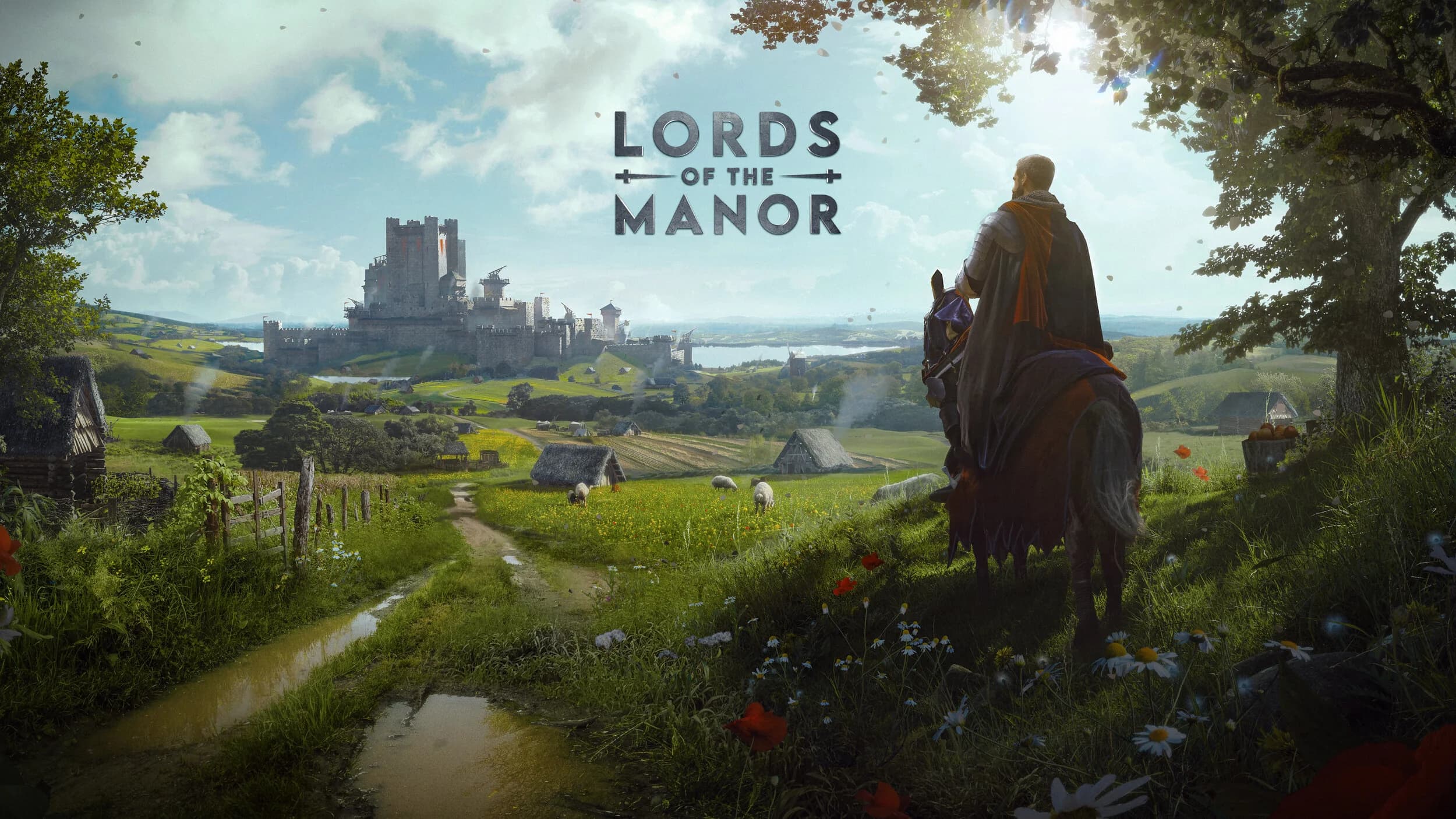
Most games talk about “city-building plus combat.” Manor Lords makes the two inseparable. You’re a medieval lord who grows a living town—non-grid roads, seasonal harvests, real supply chains—and the same villagers you house and feed become your army when winter bites or raiders appear. Every civic choice echoes on the battlefield: bad grain stores mean hungry soldiers; sloppy layouts mean slow musters; poor morale breaks lines faster than blades.
The studio is Slavic Magic—essentially one creator, Grzegorz “Greg” Styczeń. Greg came up through DIY tools and filmmaking, taught himself Unreal, and spent years iterating on a single thesis: grounded medieval realism is compelling if it’s playable. He kept the company structure solo, then borrowed scale where it mattered—publisher operations, QA, PR, and contractors for art and animation. It’s the useful distinction between being a one-person founder and working alone.
Business in one breath: premium PC title at $39.99; Early Access launch on April 26, 2024; multi-store distribution (Steam, GOG, Epic, Microsoft Store) and day-one PC Game Pass. The demand story is the headline: millions of wishlists pre-launch, ~1M copies in ~30 hours, ~2M in three weeks, and ~3M by February 2025—with a long, healthy tail.
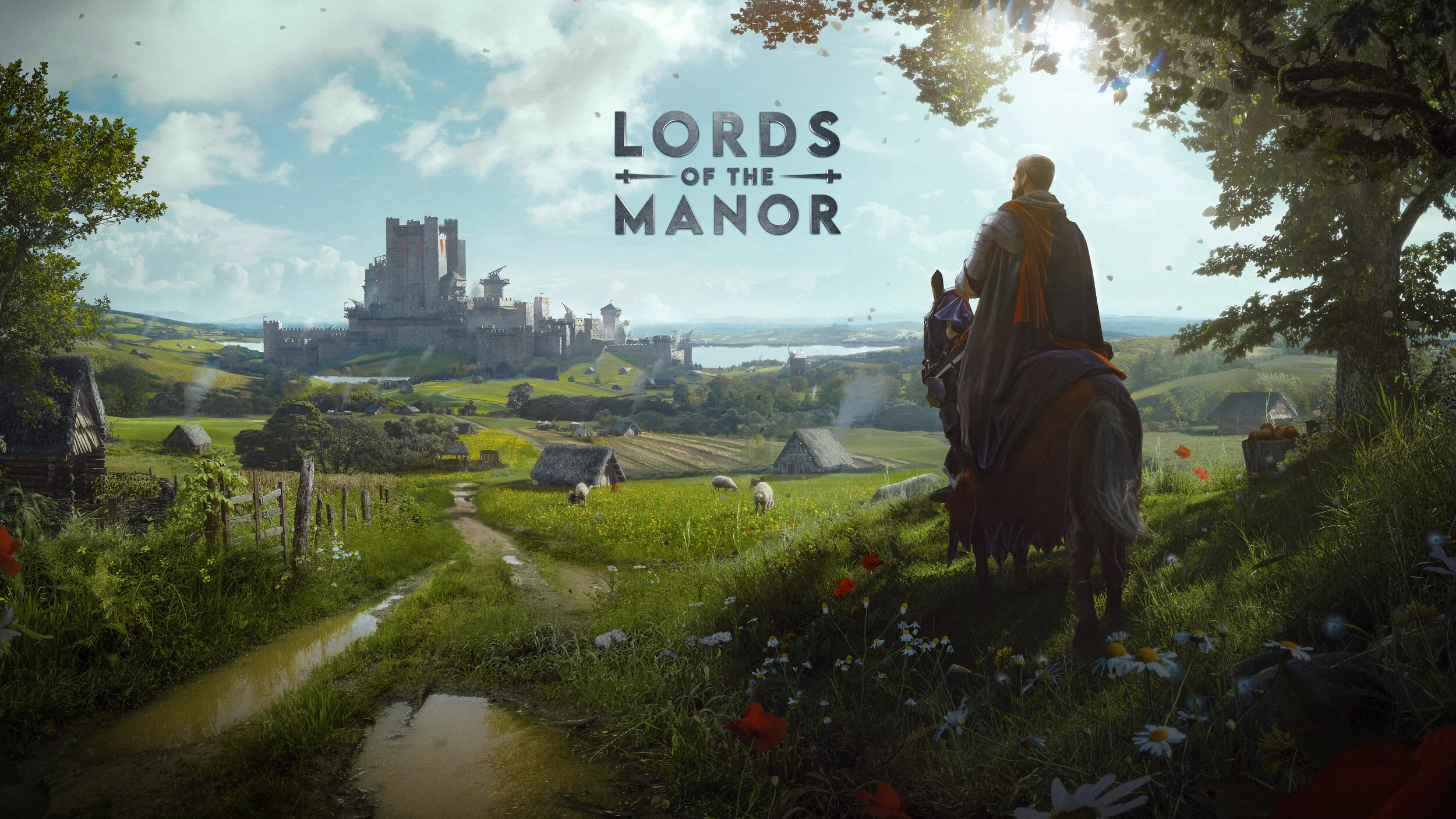 Manor Lords game, image source.

Why this case matters for solo founders
There’s a clear category gap here. Many city-builders feel sterile, and many RTS games sideline the economy. Manor Lords connects economy and war so the loop feels inevitable: your market stalls, grazing fields, and tax policy either enable a disciplined spear line—or they don’t. That coherence is the moat. It isn’t a novel engine trick; it’s taste, pacing, and a refusal to build two full games at once.
It’s also a modern example of “solo, but not alone.” Greg didn’t hire a team; he borrowed one. Hooded Horse handled the heavy operational lifting across stores, press, and community, while contractors filled specialized gaps. The company stayed one person; the capability footprint didn’t.
Finally, it’s a clean lesson in manufacturing demand before supply. A public devlog rhythm, a focused demo, and festival beats created “wishlist gravity.” When the game finally arrived, the audience was already queued.
 Greg Styczen, founder of Manor Lords, image source.
Business Snapshot
| Audience | Problem | Product Core | Price | Primary Channels | Edge |
|---|---|---|---|---|---|
| Strategy & city-builder players | City-builders lack stakes; RTS underplays economy | Organic town sim + grounded real-time tactics tied by one economy | $39.99 buy-once | Steam, GOG, Epic, MS Store; day-one PC Game Pass | Multi-million wishlists, publisher ops, Early Access expectation design |
What the founder did differently
The most important choice was scope discipline: city-building first, combat second. Combat supports the fantasy; it doesn’t try to out-Total-War Total War. That kept production focused and let Early Access feel honest instead of unfinished. Second, distribution came early, not at the end. The team optimized for wishlists via a polished demo and public development, then maximized launch surface: all major PC stores plus subscription on day one. Subscriptions amplified reach and conversation; the premium SKU monetized conviction. Third, leverage beat payroll. Publisher muscle and contractors covered PR, QA, platform relationships, and art/animation bursts. The founder stayed on design, systems, performance, and updates—the parts only he could do well. Last, updates were events. Instead of a constant drip of tiny patches, the game leaned into fewer, meatier updates and a post-launch Unreal Engine 5 migration—engineering turned into marketing beats that brought players back.
The flywheel (sequence matters)
| Stage | Moves | Why it worked | Irreversible gain |
|---|---|---|---|
| 1. Prove demand | Devlogs, festival demo, public roadmap | Converts curiosity into wishlists (install-intent, not vanity) | A banked audience you can notify and convert |
| 2. Max surfaces | Steam + GOG + Epic + Microsoft Store, plus day-one Game Pass | Discovery compounding; try-before-buy at scale | Store featuring, subscription reach, creator coverage |
| 3. Set expectations | Launch in Early Access with a plain-spoken scope note | Buyers self-select; reviews judge trajectory, not perfection | Durable sentiment and patience for iteration |
| 4. Let records talk | Headlines: “1M in ~30 hours,” “record CCU for a city-builder” | Social proof cascades into secondary sales | Earned media loop + algorithmic visibility |
| 5. Extend the tail | Fewer, larger patches; UE5 upgrade as a moment | Reactivates lapsed players; invites new reviews | Higher LTV without DLC bloat |
The order isn’t cosmetic. If you flip it—launch first, find an audience later—you’re begging for a miracle.
Money, simply put
This is a straightforward buy-once business with regional pricing and periodic discounts. The subscription deal (Game Pass) wasn’t a crutch; it was distribution fuel. The premium price captured conviction; the pass widened the conversation. The result: strong early cash flow plus a long tail shaped by store events, creator content, and major patches. No microtransactions, no gacha, no live-ops treadmill.
Can you replicate this today?
Parts of it, yes. What’s easier now: Modern engines, asset marketplaces, and code copilots make a credible vertical slice reachable by a single founder. Content creation is cheaper; distribution tooling (Steam festivals, Discord, mailing) is known playbook. Negotiating with a focused, niche-competent publisher is more feasible than ever if your demo is tight. What’s still hard: Picking one differentiator and defending it for years. Balancing intertwined systems so the economy and combat feel mutually necessary. Managing expectations once you hit the charts—because success multiplies scrutiny. If starting fresh, a realistic path:
- Commit to one promise you’ll defend (“organic town sim that powers grounded battles” is a good template).
- Build a vertical slice fast using marketplace assets and AI helpers; target a Steam festival with a demo you’re proud of.
- Treat wishlists as your KPI. Weekly updates with one crisp, testable improvement.
- Short-list publishers who win in your sub-genre; pitch with demo metrics, not ideas.
- Lock multi-store distribution and pursue a sensible subscription launch for reach.
- Launch in Early Access with a clear, humble scope note and a “what’s next” schedule.
- Plan two comeback moments (a systems patch and a technical upgrade) before you ever press “release.”
Operator takeaways
- Build audience before revenue. Wishlists and a real demo are the spine; everything else is decoration.
- Stay small; borrow scale. Outsource what a publisher does better; protect the pieces only you can do.
- Ship fewer, bigger updates. Turn engineering into milestones the market can feel.
- Say “no” often. Don’t make two games at once. Preserve the loop that makes yours different.
Part of the “100 Days, 100 Solo-Startup Breakdowns” series.