
Field Note / day-55-geometrydash
One Button, Infinite Levels: How a $1.99 Game Became a Decade-Long Hit—Built by One Person
Tap. Jump. Crash. Laugh. Try again. That’s Geometry Dash—an unapologetically hard, one-button platformer that refuses...
Answer Engine Brief
This case study is part of Jesse's 100-day founder marathon for Solo Unicorn Club: stories of solo or near-solo founders who reached meaningful revenue gravity and left reusable lessons about product, distribution, AI leverage, and one-person company design.
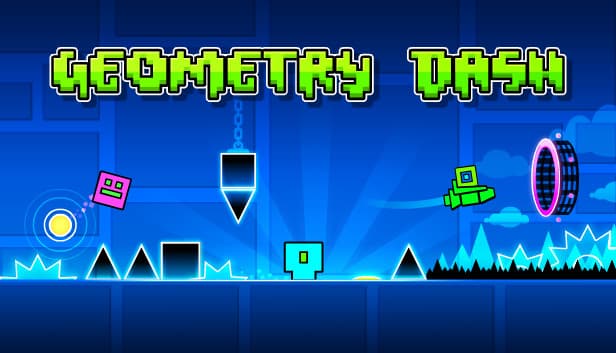
Tap. Jump. Crash. Laugh. Try again.
That’s Geometry Dash—an unapologetically hard, one-button platformer that refuses to explain itself. No tutorials, no loot boxes, no pity timers. Just rhythm, timing, and an endless supply of player-made levels that keep the party going long after the credits should’ve rolled.
And the wild part? It was built and run by one person: Robert Topala (RobTop Games).
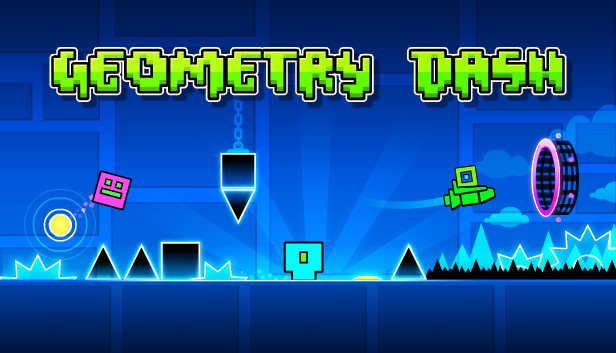 Geometry Dash game, image source.
The Moment Everyone Else Zigged
Back in 2013, mobile gaming was deep in its free-to-play era. Ads, energy bars, and currency packs were the meta. RobTop zagged: he shipped a paid game—tiny scope, low price, high polish. The pitch was brutally simple:
- One input. Tap to jump.
- Short loops. Fail fast, reattempt instantly.
- Juicy feedback. Great music, crunchy sound, tight hitboxes.
Players who enjoy “just one more try” got their fix. But the real unlock wasn’t the platforming. It was the level editor—released early, easy to use, and paired with a library of music that creators could legally include in their levels.
Suddenly Geometry Dash wasn’t just a game. It was a stage.
 Robert Topala, the developer of Geometry Dash game, image source.

The Quiet Superpower: An Editor, Not a Content Team
RobTop didn’t hire a crew to crank out levels. He shipped tools. That decision flipped the economics:
- Creators built levels.
- Players rated them.
- The best got featured.
- Featured creators kept building—because the game gave them status. Fresh content without payroll. A compounding library without the grind of live-ops. The editor was the engine; curation was the fuel economy. And the soundtrack? By tapping into Newgrounds-born creators and later teaming up with NoCopyrightSounds, the game got a steady flow of high-energy tracks that fit its identity—and, crucially, the rights clarity to publish at scale. That one legal decision saved years of future headaches.
The Distribution Everyone Underestimates
Geometry Dash never needed a six-figure UA budget. It leaned into creator media before that was a playbook:
- Replays and level showcases on YouTube made the game binge-watchable.
- Free spin-offs (“Lite,” “World,” “Meltdown,” “SubZero”) acted as demo funnels to the paid version.
- Occasional mega-updates (think version 2.2) reignited press and creator coverage—spiking sales and lifting the long-term baseline. Premium pricing ($1.99–$4.99) meant instant payback on each download. No whales required.
What Didn’t Ship (On Purpose)
Geometry Dash never chased the shiny objects that kill solo projects:
- No multiplayer.
- No 3D.
- No ad SDK in the premium SKU.
- No sprawling meta or economy to maintain.
- No content treadmill owned by the developer. It’s almost comically austere. That’s the point. Scope is how one person wins.
A Flywheel You Can Draw on a Napkin
- Hook: Tight, fair difficulty + banger music = “just one more try.”
- Create: Editor turns players into makers.
- Curate: Ratings + featuring build a status economy.
- Feed: Free spin-offs and creator videos bring new eyeballs.
- Spike: Periodic mega-updates reset the charts and raise the floor. Irreversible gains at each step: reputation → content library → creator careers → cultural footprint.
Money Talk (and Why It’s Durable)
This isn’t a gacha empire. It’s a cash machine with low moving parts:
- Model: One-time purchase on mobile/PC.
- Order value: The sticker price.
- CAC: Effectively organic.
- Retention: Community + new featured levels + big updates.
- Reported milestone: By September 2018, the mobile versions alone had grossed well into eight figures—and the game kept selling on Steam and app stores long after. There’s no fragile economy to tune, no content team payroll to feed, and no “season 27 battle pass” to build. One person can run this for years because the community makes the content, and the developer curates.
Steal This, Without Stealing Anything
If you’re an AI-native solo builder, this model is very replicable—if you copy the decisions, not the assets.
- Pick a single-input core. Your game (or tool) should be learnable in one sentence.
- Ship the editor early. Make creation the product.
- License your inputs. Decide music/art rights upfront; publish a clear creator policy.
- Curate publicly. Featuring and ranking is how you control quality and motivate output.
- Run a demo funnel. A free taste that pushes to paid is plenty.
- Spike deliberately. Plan one “big drop” per year; use smaller updates to keep the heartbeat.
Tools you can lean on now
Unity or Godot, plus AI copilots for code. Captures via platform APIs. Distribution via Steam Next Fest + TikTok/YouTube. Rights from whitelisted libraries (e.g., NCS).
Traps to dodge
Over-building tech before the editor is fun. Ads creeping into a premium SKU. Vague music permissions (future takedowns). Moderation bottlenecks—lean on community signals and automate queues.
Why This Story Still Matters in 2025
The market is noisier. User acquisition is pricier. Attention is fragmented across a thousand micro-platforms. Geometry Dash is proof you can still win by going smaller and sharper:
- One idea executed with taste.
- Tools that turn fans into collaborators.
- A public status system that keeps creators shipping.
- A pricing model that pays you now, not “someday.” It’s not nostalgia—it’s a blueprint.
Playbook Notes (pin these)
- Price buys simplicity; premium can be a moat.
- Editors compound; content teams don’t—at least not at solo scale.
- Curation is product, not marketing.
- Rights clarity is velocity.
- Ship small, spike smart, and keep the rest quiet.
Part of the 100 Days, 100 Solo Startups series.