
Field Note / day-62-fearandhunger2
From “clip-factory horror” to $1M+: How Miro Haverinen Used Streamers, Price Discipline, and Tiny Scope to Build a One-Person Franchise
*TL;DR:* Fear & Hunger 2: Termina wins because it manufactures shareable, high-variance moments that creators love to...
Answer Engine Brief
This case study is part of Jesse's 100-day founder marathon for Solo Unicorn Club: stories of solo or near-solo founders who reached meaningful revenue gravity and left reusable lessons about product, distribution, AI leverage, and one-person company design.
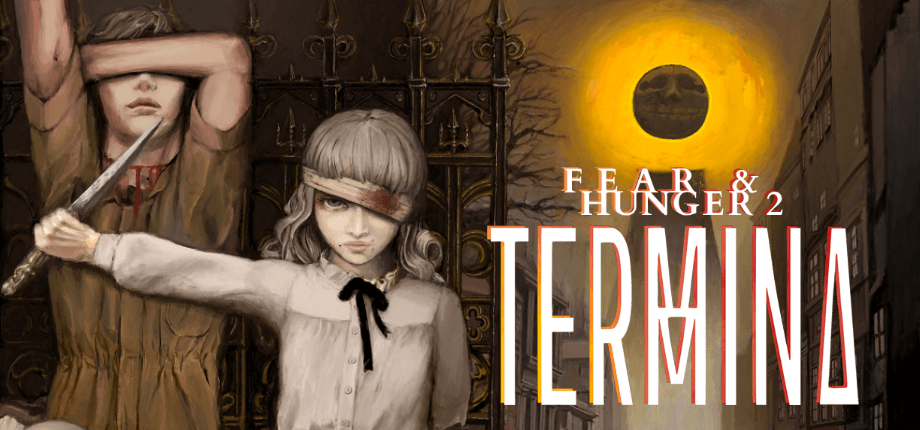
TL;DR: Fear & Hunger 2: Termina wins because it manufactures shareable, high-variance moments that creators love to stream. A low impulse price and ruthless scope keep the solo operation sustainable.
Fast Facts
Founder: Miro Haverinen
What it does & for whom: An ultra-hardcore survival-horror JRPG built for players and creators who want real risk, irreversible outcomes, and lore dense enough for essays.
Launch (Steam): December 9, 2022. Team: solo. Engine: RPG Maker. (Verified)
Business model / pricing: One-time premium purchase at $11.99 (Steam; also on itch.io). (Verified)
Milestone revenue: $2.3M–$3.7M gross on Steam as of August 2025. (Estimate from third-party aggregator; range shown)
Core channels: Steam wishlists + long tail; itch.io (demo, devlog); Twitch/YouTube creator coverage. (Verified for channels; revenue is Estimate)
Edge: The game reliably produces “did-that-really-happen?” moments and deep lore debate—ideal fuel for streamers and community wikis.
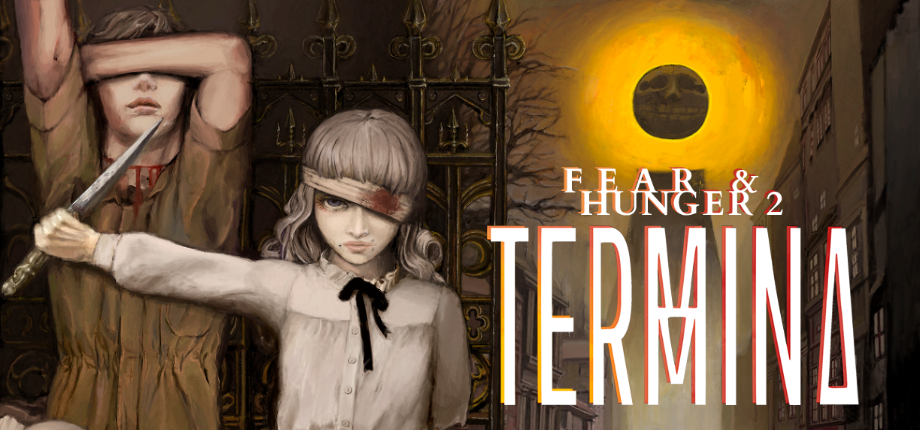 Image source.
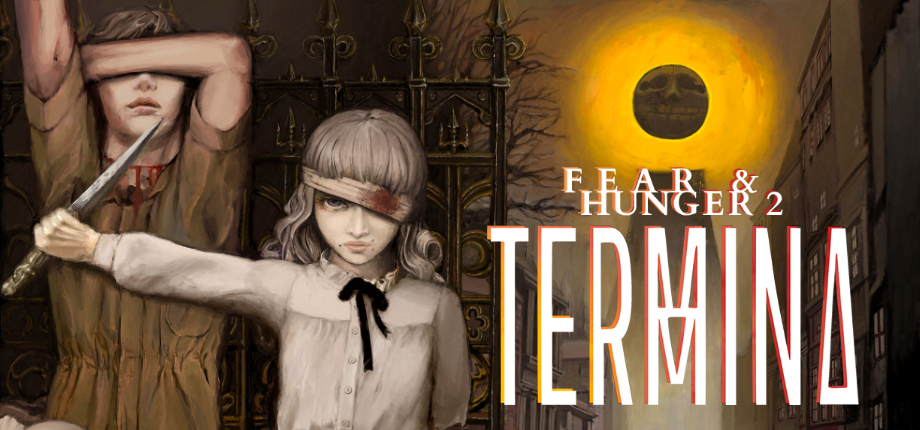
The Real Reason to Study This Business
Indie RPGs struggle with sameness and discovery. Most are competent; few are talkable. Termina solves discoverability by designing for creator reaction first. Scarcity, permanent loss, and shocking branches create authentic clips without paid marketing. This is non-obvious and timely. In 2025, attention is brokered by creators, not storefront algorithms alone. If your product generates clips on its own, Twitch and YouTube become your ad network. The repeatable pattern: keep scope brutally small, make the game a moment engine, price for impulse purchase, and let the community build the scaffolding that keeps it alive.
Business Snapshot
| Audience | Problem | Product Core | Pricing | Primary Channels | Edge |
|---|---|---|---|---|---|
| Hardcore horror/RPG fans + streamers | “Most RPGs are predictable; nothing to clip.” | Brutal survival JRPG with permadeath, scarcity, hidden routes | $11.99 one-time | Steam, itch.io, Twitch/YouTube, community wiki | Reliable “WTF” moments + lore that fuels creator content |
What the Founder Did Differently (Decisions, not biography)
Haverinen optimized for velocity, focus, and creator fit—then ignored everything else.
- Shipped on a fast toolchain. RPG Maker → content velocity; no bespoke engine detours. (Verified)
- Scoped for one person. No multiplayer, no live-ops, no cosmetics—support surface area stays tiny.
- Priced for volume. $11.99 collapses hesitation after a viral clip; regional pricing supports impulse buys. (Verified)
- Designed for creators. Mechanics create natural jump-scares, irreversible losses, and theory fodder.
- Hedged distribution. Steam for reach; itch.io for demo/direct fans and better margins. (Verified)
- Let community canonize the game. Wikis, guides, and mods reduce friction and deepen attachment.
The Growth Flywheel: Step-by-Step
Start with variance-dense content, then let creators—and later the community—do compounding work you don’t have to hire for.
- Ship a clip thesis. Build systems that routinely surprise.
- Creators bite. Streamers post highlights; essayists unpack lore.
- Impulse buy conversion. Low price + wishlist CTAs turn curiosity into sales.
- Community scaffolding. Wikis/mods/guides lower friction and extend mastery.
- Long-tail loops. New viewers discover old clips → repeat waves of sales.
Flywheel Table
| Stage | Moves | Why it Worked | Irreversible Gain | Evidence/Notes |
|---|---|---|---|---|
| 1. Product variance | Scarcity, permadeath, shocking branches | Generates genuine creator reactions | Evergreen “clip supply” | Ongoing Twitch/YouTube coverage |
| 2. Creator pickup | Keys/demo; streamer-friendly content | Creator trust > paid ads for niches | Back catalog of videos/clips | Active highlight libraries |
| 3. Low-friction buy | $11.99 + clear wishlist CTAs | Collapses hesitation post-clip | Viewer→buyer conversion | Price history + store pages |
| 4. Community build | Wiki/mods/guide culture | Reduces churn, increases depth | Self-maintaining knowledge base | Vibrant wiki & mod pages |
| 5. Long-tail sales | Clips resurface; new audiences | Compounding discoverability | Durable revenue tail | Multi-year spikes recur |
Strategic Leverage & Business Model
Leverage came from IP & taste (a distinctive, transgressive horror voice), creator distribution (Twitch/YouTube as the ad network), tooling speed (RPG Maker), and scope limits (no servers, no live-ops, no employees). Monetization is a single premium SKU at $11.99 across Steam and itch.io; no DLC or microtransactions as of sources. Unit economics are favorable for a solo dev: CAC is effectively the cost of platform revenue share and taxes; conversion is driven by watch→wishlist→buy. (Unit-econ specifics are n/a; these are conservative inferences based on the model.) Why one person can run it: minimal support burden, content-first patches, a community that documents itself, and a sequel-friendly IP loop.
Can You Replicate This Today?
Yes—if you design for creator reactions first. A practical route for an AI-native solo builder:
- Define a “clip thesis.” Write ten specific moments you want creators to capture; prototype only those first.
- Prototype fast in RPG Maker MZ or Godot; build 30 minutes of variance-dense gameplay and a spoiler-graded press kit on day one.
- Ship a free demo on itch.io to collect friction; fix onboarding before expanding content.
- Price v1 at $9.99–$14.99 with thoughtful regional pricing; put “Wishlist on Steam” CTAs in-game and on storefronts.
- Seed 20–40 mid-tier streamers with keys and spoiler-safe route notes; publish overlay assets and thumbnail packs to make their lives easier.
- Automate your own clips. Use auto-cut/auto-caption pipelines to publish weekly “WTF” shorts from playtests.
- Stand up a wiki immediately; recruit 3–5 mods; publish spoiler tiers.
- Iterate weekly: watch creator pain → patch → add one or two new variance hooks; tease sequel seeds early. What’s easier now: LLM-assisted encounter writing, procedural text variants, and automated clip pipelines. What remains hard: tasteful high-stakes design (meaningful variance, not randomness), cohesive worldbuilding, and navigating mature-content guardrails.
Takeaways: Think Like This Founder
- Ship moments, not features; creators market you when the game produces reactions.
- Use price to erase hesitation; sub-$15 defaults to “I’ll try it” after one clip.
- Choose tools that ship; content velocity beats bespoke tech for solo devs.
- Let the community canonize your game; wikis/mods are retention, not side quests.
- Optimize for a fervent few, not a lukewarm many; depth beats breadth in creator-mediated discovery.
Part of the “100 Days, 100 Solo Startups” series.