
Field Note / day-66-obradinn
From Constraint to $1M+: How Lucas Pope Used a 1-Bit Aesthetic and Deduction UX to Build an Evergreen Solo Hit
Constraint can be a growth engine. *Return of the Obra Dinn* proves that a bold look and a rigorous, falsifiable puzzle...
Answer Engine Brief
This case study is part of Jesse's 100-day founder marathon for Solo Unicorn Club: stories of solo or near-solo founders who reached meaningful revenue gravity and left reusable lessons about product, distribution, AI leverage, and one-person company design.
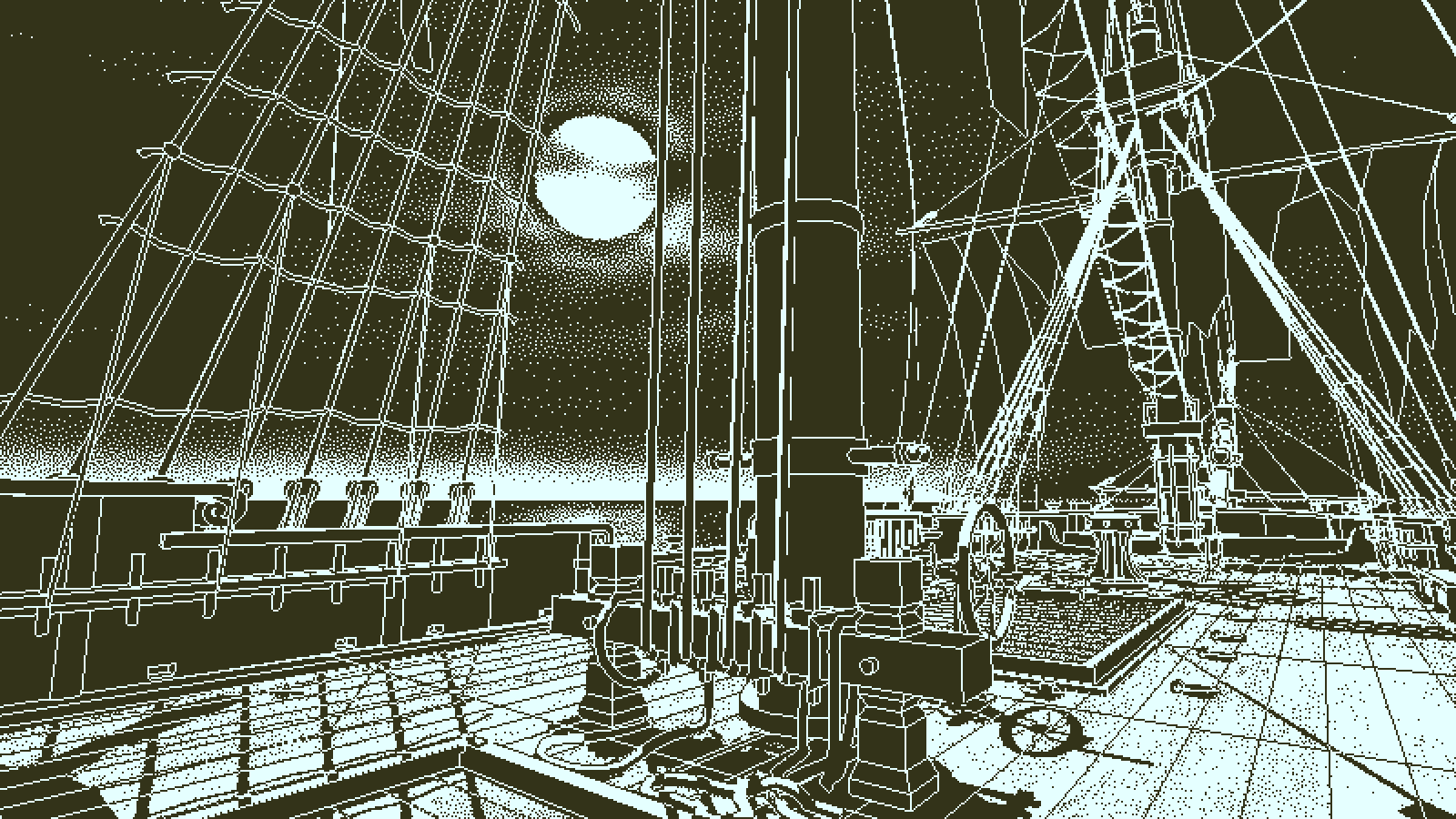
Constraint can be a growth engine. Return of the Obra Dinn proves that a bold look and a rigorous, falsifiable puzzle loop can substitute for ads—especially when paired with a clean launch path and juried awards.
TL;DR: Build one remarkable box. Prototype publicly, tune the inference UI before content, launch premium on PC, then compound with awards and console ports. Let design do the marketing.
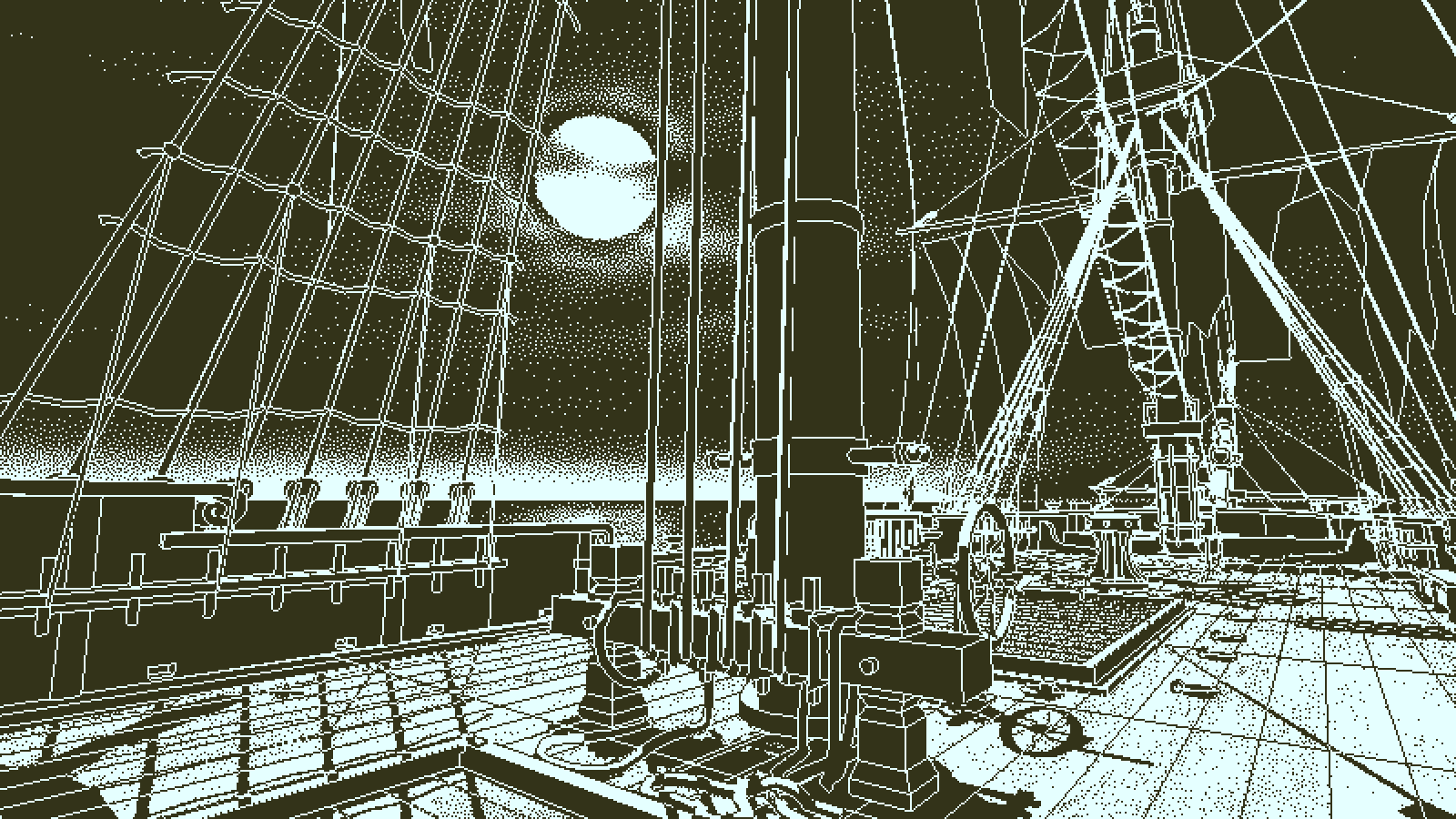 Image source.

Fast Facts
- Founder: Lucas Pope
- What it does & for whom: A first-person investigation game where you prove each fate via in-world evidence; built for logic-puzzle players who want falsifiable clues, not hand-holding.
- Launch & team: PC/Mac on Oct 18, 2018; consoles on Oct 18, 2019. Team: Solo creator (contractors for localization/QA/ports).
- Business model/pricing: Premium, $19.99 base; optional $4.99 soundtrack.
- Milestone revenue: $1M+ lifetime (2018–2025) — Inference; conservative vs. public estimator ranges.
- Core channels: Early public demo → Steam/GOG/Humble → IGF/BAFTA press → console stores.
- Edge: Unmistakable 1-bit art + an airtight deduction UX that makes players feel smart.
The Real Reason to Study This Business
Puzzle fans don’t want to be told; they want to prove. Obra Dinn built a loop where every conclusion is testable in a logbook, with just enough friction to make the “click” feel earned.
It’s non-obvious because the common indie playbook says chase content scale, live-ops, or paid UA. Pope did the opposite: he tightened scope, let a striking constraint market itself, and used juried awards (IGF/BAFTA) to create trust and platform featuring.
What’s repeatable today: choose a constraint that screenshots well, prototype the inference UI first, ship premium at a fair price, and stage expansion after the PC build is boringly stable.
 Lucas Pope, developer of Return of the Obra Dinn, image source.

Business Snapshot
| Audience | Problem | Product Core | Pricing | Primary Channels | Edge |
|---|---|---|---|---|---|
| Logic-puzzle & mystery players | Detective games often tell instead of testing | First-person deduction with a structured logbook & diegetic clues | $19.99 premium (+$4.99 OST) | Public demo → Steam/GOG → awards press → console stores | 1-bit look + rigorous inference loop that generates word-of-mouth |
What the Founder Did Differently (Decisions, not biography)
- Constraint as headline: One ship, 1-bit palette, no combat, no dialog trees. The visual rule marketed itself and kept scope legible.
- Prototype in public: Demos and devlogs created a high-signal feedback loop that sharpened the logbook and clue dependencies.
- “No ads” posture: Relied on novelty, press, and juried awards to earn placement; avoided UA spend and feature-sprawl.
- Price discipline: $19.99 signaled quality while remaining impulse-friendly.
- Staged expansion: PC/Mac first, ports after fit; fresh promo beats without fragmenting development.
- Deliberately not built: Live-ops, cosmetic stores, branching story bloat, or DLC treadmill. Rule of thumb: If a feature didn’t compound clarity, speed, or discoverability, it didn’t ship.
The Growth Flywheel (Why the order mattered)
- Seed with a demo. Earned believers and surfaced UX pain early.
- Launch a tight PC box. Reviews + novelty fed storefront discovery.
- Win legitimacy. IGF/BAFTA created third-party trust and media loops.
- Port with momentum. Consoles widened reach with new featuring cycles.
- Canonize. Postmortems and “best of” lists sustained the long tail.
Flywheel Table
| Stage | Moves | Why it Worked | Irreversible Gain | Evidence/Notes |
|---|---|---|---|---|
| Seed | Free demo + devlog | Proved the mechanic; collected usability data | Early fans + tested inference UI | Pre-launch demo era |
| Launch | Premium PC/Mac | Novel loop + reviews → algorithmic visibility | High rating; wishlists convert | $19.99 tier |
| Legitimacy | Juried awards | Trusted curators amplify reach | “Award-winner” badge forever | IGF, BAFTA |
| Scale | Console ports | Fresh featuring + new audiences | Cross-platform awareness | Timed after stability |
| Endurance | Design canonization | Ongoing recommendations + discounts | Evergreen sales | Talks, lists, seasonal promos |
Strategic Leverage & Business Model
Where leverage came from
- Constraint → identity: The 1-bit palette differentiated instantly in feeds and thumbnails.
- IP & awards: Durable trust, store placement, and press cycles.
- Tooling: Unity + custom pipelines made one person feel like a small team.
- Distribution rails: Steam/GOG/console stores handled payments, updates, and reviews. Monetization & unit economics
- Model: One-time premium ($19.99) + OST upsell ($4.99).
- Economics: n/a public. Inference: ~30% storefront fee; negligible CAC due to organic discovery; low variable costs; strong long tail via discounts and events. Solo sustainability
- Limited post-launch ops, no content treadmill, and minimal community overhead make this run-rate compatible with one person (plus porting/localization contractors).
Can You Replicate This Today? (AI-native solo builder)
Easier now
- LLMs to map clue graphs, red-team ambiguity, and generate hint tiers.
- Unity/Unreal + asset stores for rapid prototyping.
- Steam Playtest & Discord for instrumented playtesting at scale. Still hard
- Taste & editing. Cutting “cool” ideas that muddy inference.
- Trust. Earning juried accolades without a marketing budget. Start-to-ship plan (10 steps)
- Write a one-sentence mechanic (“Players must prove each fate from diegetic evidence”).
- Build the logbook first; the UI is the game.
- Ship a free itch.io demo with in-game survey.
- Instrument solve-path analytics; remove ambiguous clues before adding content.
- Lock a visual constraint that sells in a screenshot.
- Publish Steam page early; harvest wishlists via festivals.
- Produce two trailers: “What it is” + “How it feels to solve.”
- Launch PC at $14.99–$19.99; patch fast; gather reviews.
- Submit to IGF/Day of the Devs; lead with the mechanic.
- After two stable patches, partner for ports; schedule seasonal discounts. Speed traps to avoid
- Overwriting puzzles without telemetry.
- Vibe-only trailers that hide the loop.
- Premature porting before PC UX is locked.
- Feature creep that breaks inference clarity.
Takeaways: Think Like This Founder
- Pick a constraint that markets itself. Screenshot-ready identity beats generic polish.
- Prototype publicly, edit privately. Use data to remove confusion, not add content.
- Win trust, not clicks. Juried awards can replace paid UA for premium indies.
- Ship one perfect box. No live-ops unless live-ops is the product.
- Expand only after fit. Ports amplify momentum; they don’t create it.
Part of the 100 Days, 100 Solo Startups series.