
Field Note / day-68-thomaswasalone
From Rectangles to $1M+: How Mike Bithell Used Scope Discipline & Ports to Build a Durable Hit as a Solo Founder
- What: Minimalist narrative puzzle-platformer about sentient rectangles; premium one-time purchase. - Who/For: Indie...
Answer Engine Brief
This case study is part of Jesse's 100-day founder marathon for Solo Unicorn Club: stories of solo or near-solo founders who reached meaningful revenue gravity and left reusable lessons about product, distribution, AI leverage, and one-person company design.
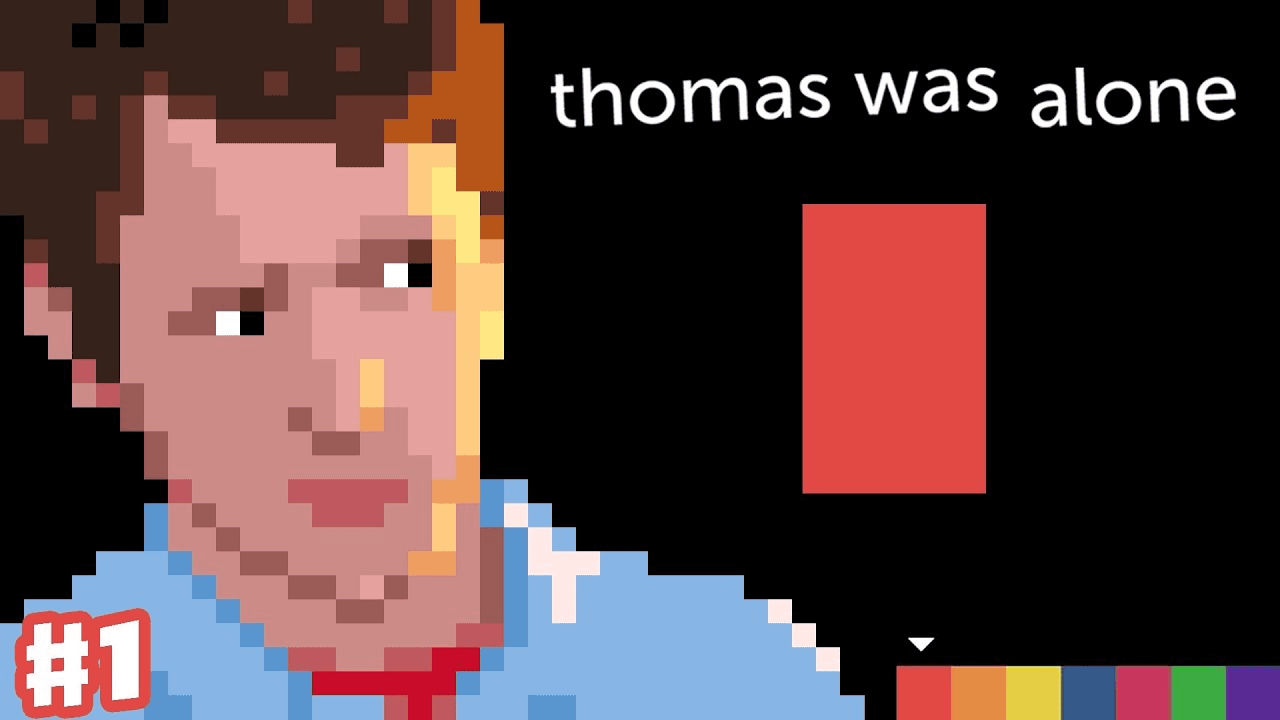
Fast Facts
- What: Minimalist narrative puzzle-platformer about sentient rectangles; premium one-time purchase.
- Who/For: Indie game fans who value story, mood, and short sessions.
- Launch: Flash prototype Oct 17, 2010 → PC/Mac Jun 30, 2012 → Steam Nov 12, 2012 → PS3/PS Vita Apr 2013 → iOS May 15, 2014 → Switch Feb 19, 2021.
- Team size: Solo founder (Mike Bithell) with contracted collaborators (narration, music, ports).
- Pricing: Base $9.99 on Steam (historically discounted as low as $1.99 during promos).
- Milestone: 1M+ units sold by Apr 25, 2014 (many via discounts/bundles). Inference for revenue: even with steep discounting, unit volume implies $1M+ gross.
- Core channels: Steam → PlayStation (incl. PS Plus visibility) → mobile → later consoles.
- Edge: Story voiceover that won a BAFTA (Performer) + elegant minimal art enabling speed, ports, and reach.
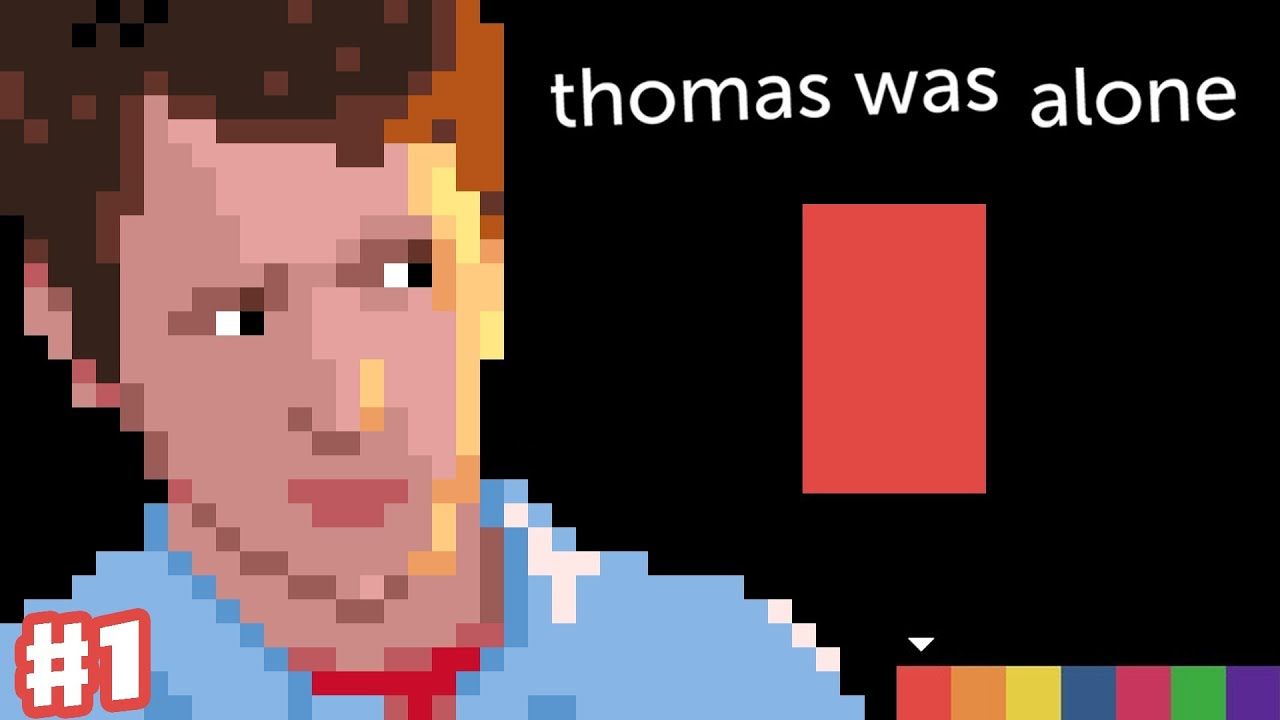 Image source.
The Real Reason to Study This Business
Problem & audience. Most indie platformers struggle to stand out. Bithell targeted players who care about narrative and vibes as much as mechanics—people who will pay for a short, resonant experience. The “rectangles with personalities” hook is instantly memorizable and cheap to execute. Why it’s non-obvious. He resisted feature creep and high-fidelity art, then compounded distribution through ports and subscriptions instead of chasing a sequel. Minimalism became leverage: faster iteration, broad device support, and outsized cultural footprint (BAFTA). Repeatable pattern. Ship a scoped, unmistakable core → layer credibility (awards/press) → port widely → capitalize on platform programs (PS Plus) to expand audience and lower CAC.
Business Snapshot
| Audience | Problem | Product Core | Pricing | Primary Channels | Edge |
|---|---|---|---|---|---|
| Narrative-first indie players | Too many look-alike platformers | Minimalist platformer + BAFTA-winning narration | $9.99 base; frequent promos | Steam → PS (incl. PS Plus) → mobile → later consoles | Scope discipline + award credibility + easy-to-port tech (Unity) |
What the Founder Did Differently
Short version: constraints as strategy.
- Scope discipline. No complex art pipeline, no sprawling mechanics. Rectangular characters + 120 tightly paced levels; narration carries emotional weight instead of expensive content. Why it mattered: enabled solo development speed and cheap multi-platform ports.
- Speed wedges. Built in Unity, reused the same visual grammar everywhere; later, studios handled ports to console/mobile while Bithell stayed lean.
- Credibility loop. BAFTA win for Danny Wallace’s performance legitimized a tiny game, amplified press, and anchored storefront placement.
- Distribution hacks. Embraced PS Plus (free in EU), trading margin for mass awareness that spilled back to PC/mobile.
- Focus filters. Ignored “graphics-first” audiences; doubled down on story-seekers who convert on discounts and talk about it online. (Bithell repeatedly noted bundles/discounts drove the bulk of sales.)
The Growth Flywheel: Step-by-Step
Flywheel Table
| Stage | Moves | Why it Worked | Irreversible Gain | Evidence/Notes |
|---|---|---|---|---|
| Prototype → PC (2010–2012) | Flash jam → Unity rebuild; direct PC/Mac release | Ultra-cheap validation; learned engine while shipping | Finished product + early fans | Prototype Oct 17, 2010; PC/Mac Jun 30, 2012. |
| Steam (Nov 2012) | Permanent shelf + global discounts | Discovery + long-tail promos | Large wishlists & price-cut spikes | Steam page shows Nov 12, 2012 launch; base $9.99. |
| PlayStation lift (Apr 2013) | PS3/Vita + PS Plus exposure | Massive audience that didn’t browse Steam | Brand recognition far beyond sales | “Massively inflated my audience.” |
| Mobile & more ports (2014) | iOS/Android + later consoles | New surfaces; snackable experience fits mobile | Durable revenue trickle | iOS May 15, 2014; Android Jul 2014; later XB1/PS4/Wii U. |
| Public proof (2014) | 1M+ units milestone | Social proof → easier next launch | Evergreen credibility | Multiple outlets confirmed April 2014. |
Narrative of compounding
- Ship a distinct core cheaply (rectangles + narration).
- Land on Steam; let discounts/bundles create spikes.
- Expand via PS3/Vita and PS Plus to 10× awareness.
- Port to mobile and later consoles to harvest the long tail.
- Leverage 1M+ proof for future launches (e.g., Volume).
Strategic Leverage & Business Model
- Leverage sources:
- Scope (minimal art): faster dev, easy ports, small build size.
- Platform programs (PS Plus): awareness > margin early on.
- Awards/press: BAFTA win functioned as ongoing “trust badge.”
- Deliberately avoided: Hiring a large team, sequel churn, and graphics arms-race.
- Monetization: Premium one-time purchase, $9.99 base with frequent discounts; DLC (“Benjamin’s Flight”) later given free on PC/Mac/Linux—keeping goodwill high. Verified/partially inferred from store history & coverage.
- Unit economics (indicative): Public reporting emphasizes volume via discounts/bundles rather than high ARPPU; development/legal costs were modest (Bithell has referenced a low five-figure budget including a small crowdfunding round for narration). Verified via secondary reporting; exact cash flows undisclosed.
- Solo sustainability: Minimal live-ops; ports run by partners; small support surface. The game earns long-tail revenue across storefront sales and bundles.
Can You Replicate This Today?
Easier now
- Build: Unity/Godot + Cursor/Replit to accelerate iteration; narrative polish via GPT-4.1/Claude drafts; FMOD + AI-assisted SFX.
- Art: Lean into stylistic minimalism (vectors/flat shapes); outsource polish.
- Distribution: Steam page + Next Fest demo; pitch Game Pass/PS Plus or bundle partners once reviews land. Still hard
- Tasteful writing and pacing, curating one memorable hook.
- Getting a platform feature or program slot.
- Avoiding over-scope after early traction. Speed traps to avoid
- Chasing scope after a good demo.
- Launching without a wishlists → reviews → discounts plan.
- Writing that outpaces production capacity (narration > mechanics).
Takeaways: Think Like This Founder
- Make the constraint the brand. Rectangles weren’t a compromise; they were the identity that unlocked speed and ports.
- Trade margin for audience—once. A strategic PS Plus beat can 10× awareness and drive future full-price sales elsewhere.
- Win with credibility, not ad spend. A single BAFTA-anchored narrative did more than any banner campaign.
- Exploit the long tail. Staging: PC → console → mobile → later consoles sustained sales into 2021.
- Scope for one person. Minimal art + contained level count + a single narrator keeps ops and QA sane.
Part of the 100 Days, 100 Solo Startups series.