
Field Note / day-94-amicole
The Meteoric Rise and Unforeseen Fall of Ami Colé: What Every Solo Founder Can Learn from Diarrha N'Diaye-Mbaye's Journey
Isn't there a seductive quality to the modern entrepreneurial narrative? A lone visionary, fueled by passion, conjures...
Answer Engine Brief
This case study is part of Jesse's 100-day founder marathon for Solo Unicorn Club: stories of solo or near-solo founders who reached meaningful revenue gravity and left reusable lessons about product, distribution, AI leverage, and one-person company design.
I. The Dream, The Buzz, The Shockwave
Isn't there a seductive quality to the modern entrepreneurial narrative? A lone visionary, fueled by passion, conjures a brand from thin air, and the world falls in love. Rapid growth ensues, funding pours in, awards pile up. But what happens when that dream hits a wall? When the fairy tale abruptly ends?
Ami Colé, a clean beauty brand meticulously crafted for melanin-rich skin by Diarrha N'Diaye-Mbaye, embodied that allure. The brand wasn't just selling makeup; it was selling inclusivity and self-love. It wasn’t long until the brand hit $100k+ annual revenue, secured millions in funding, and won prestigious awards. And then came the shock: the announcement of its closure.
How did a brand that seemingly had it all come to an end? This isn't a simple tale of failure. It's a complex examination of the triumphs and tribulations, the systemic pressures, and the hard lessons learned. Join me as we dissect the rise and fall of Ami Colé, extracting invaluable insights for every entrepreneur brave enough to walk the solo path.
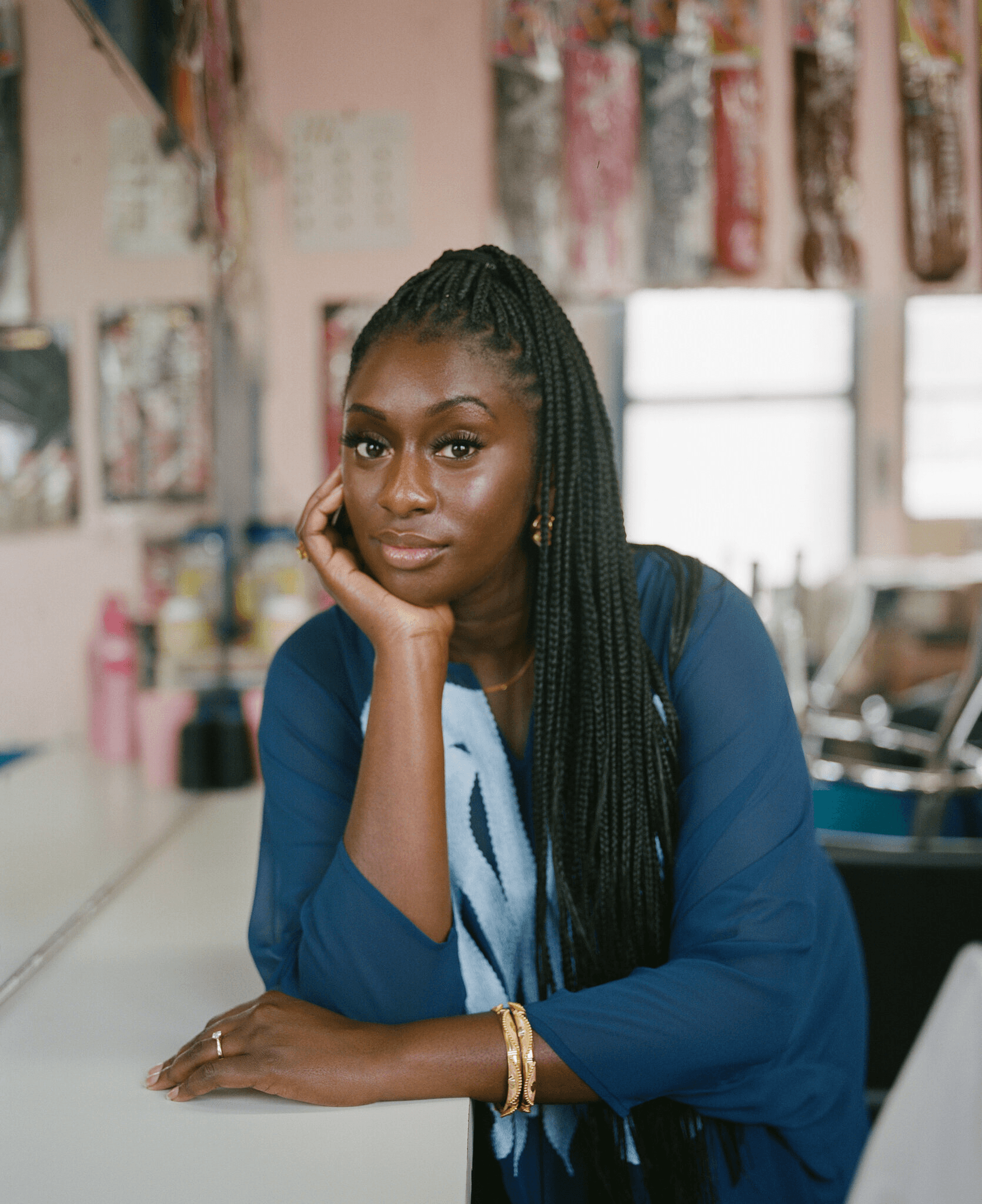
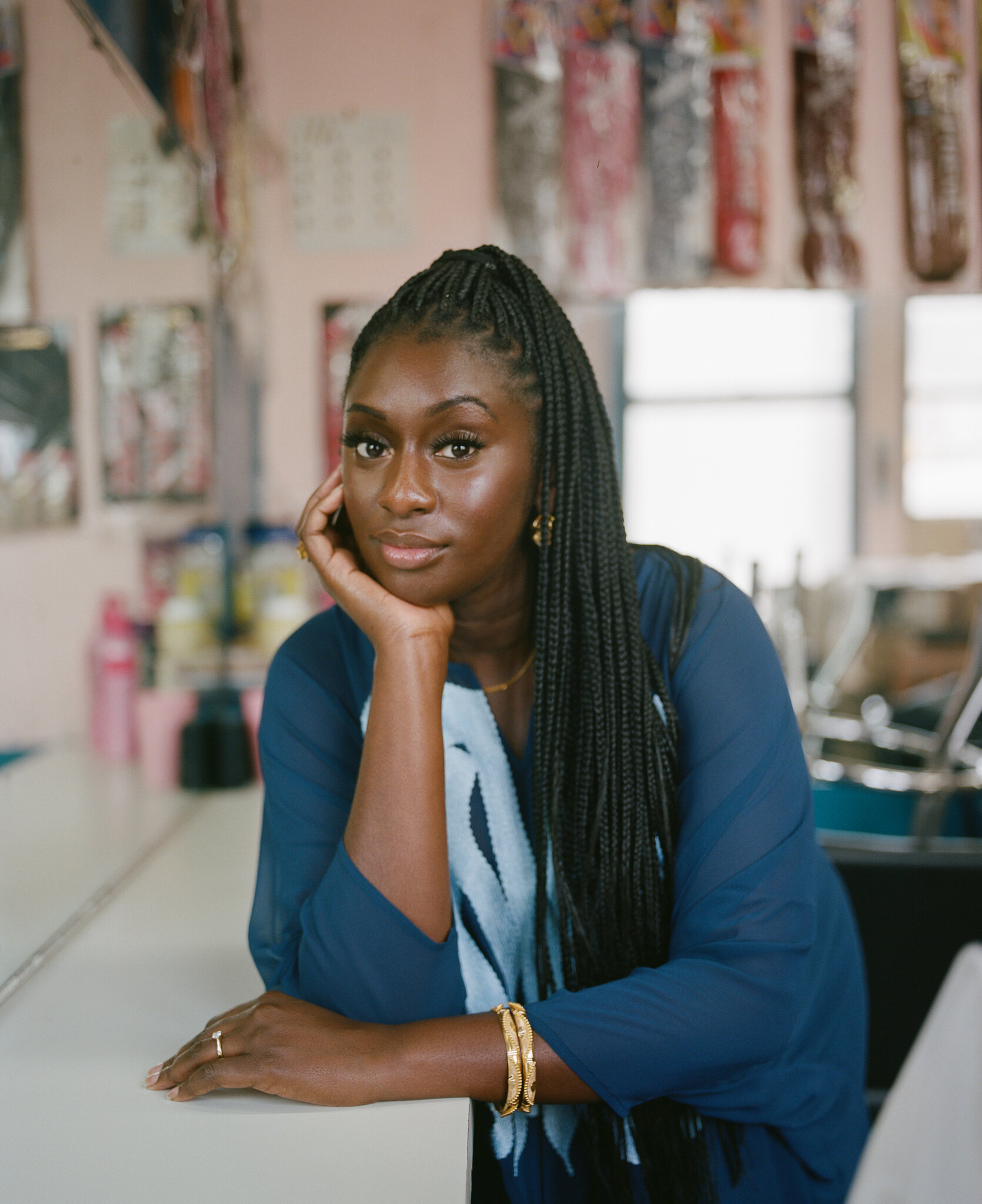 Diarrha N'Diaye-Mbaye, founder of Ami Cole, image source.

II. From Harlem Salon to Beauty Visionary – The Genesis of Ami Colé
Consider the weight of heritage. Diarrha N'Diaye-Mbaye's story begins not in a boardroom, but in her mother's Harlem hair salon. As a first-generation Senegalese-American, the salon was more than a business; it was a vibrant tapestry of community, culture, and identity. It was here, amidst the scent of hairspray and the hum of conversation, that her "why" began to take root. The seeds of Ami Colé were sown from personal frustration, which is the most fertile ground for innovation. Diarrha struggled to find makeup that celebrated, rather than masked, her deep skin tone, and the "clean" beauty options were even scarcer. This personal pain point converged with a clear gap in the market. Years spent honing her skills at L'Oréal and Glossier armed her with invaluable data insights, marketing savvy, and a deep understanding of product development. However, industry experience is no substitute for the solo founder's grind. We are talking about depleted savings, maxed-out credit cards, the hustle of attending trade shows like Cosmoprof, the nerve-wracking cold pitches to manufacturers. Behind every successful product launch and viral campaign was the relentless weight of solitary decision-making. There was no room for glamour only grit.
III. Building a Movement – The Ami Colé Playbook for Early Traction & Profitability
Ami Colé wasn't just selling products; it was fostering a movement. Diarrha understood that true innovation comes from collaboration. Before launching, she tapped into the collective wisdom of her community, surveying over 400 women on Instagram. This customer obsession led to the co-creation of hero products like the Skin-Enhancing Tint and the wildly popular Lip Treatment Oil. In an industry saturated with noise, Ami Colé cut through by focusing exclusively on melanin-rich skin, honoring her Senegalese heritage through ingredients like baobab extract and a brand name that resonated deeply with her audience. This wasn't just marketing; it was authentic storytelling. The ascent to $100k+ revenue was fueled by a potent cocktail of social media prowess, direct-to-consumer (DTC) strategy, and strategic funding. Social media wasn't just a marketing tool; it was a research lab, generating millions of impressions, thousands of engagements, and a 6,000-person waitlist pre-launch. The DTC approach allowed Ami Colé to control its narrative and cultivate direct relationships with customers. Securing over $1M in pre-seed funding from prominent investors, followed by more than $3M in total venture capital, wasn't just about the money; it was validation. Early wins, including awards, press features, rapid revenue growth, and expansion into Sephora (from 270 to 600 stores in just 16 months), painted a picture of unstoppable momentum. But as we know, appearances can be deceiving.
IV. The Double-Edged Sword of Scale – Current Opinions & Emerging Controversies
The partnership with Sephora was a watershed moment, a testament to Ami Colé's growing influence. Yet, retail expansion is a high-stakes game. Prime shelf space comes at a steep price, demanding significant operational costs, relentless marketing efforts, and intricate logistical coordination. Venture capital, while a powerful accelerant, can also become a pressure cooker. The unspoken demand for exponential growth can clash with a brand's core values of quality, intention, and sustainability. The reality of inconsistent demand and inventory headaches became a constant challenge for a small team. An influencer mention could trigger a sudden surge in sales, leading to sell-outs, followed by periods of slower movement, making accurate forecasting nearly impossible. Perhaps one of the most critical aspects of Ami Colé's story is the shifting landscape of diversity initiatives. The initial surge of investor interest in Black-owned businesses following 2020 began to wane, leading to what Diarrha described as "uneven and short-lived investor support." This raises uncomfortable questions about the true depth of commitment to diversity within the industry. Moreover, Ami Colé faced the daunting reality of competing with industry giants, brands with immense financial resources and celebrity endorsements. Gaining sustainable market share in such an environment is an uphill battle for smaller players.
V. The Unforeseen End – Why the "Economics No Longer Worked"
Diarrha's candid announcement of Ami Colé's closure laid bare the harsh realities of building a business. Despite strong product love and significant sales, the underlying economics simply became unsustainable. Several factors contributed to this outcome. Prohibitive operational costs associated with retail and marketing, fluctuating investor appetite, rising tariffs, and overhead all squeezed margins. The $3M in funding, while substantial, proved to be a "drop in the bucket" when competing at Sephora's scale, where estimates suggest $10-20M is needed to truly compete. Ami Colé's closure underscores the precariousness of even successful Black-led startups in a capital-intensive industry, particularly when broader diversity initiatives lose momentum.
VI. Enduring Lessons for the Future of Entrepreneurship
Ami Colé's journey offers several enduring lessons for entrepreneurs:
- Visibility Does Not Equal Viability: A strong brand presence and passionate customer base are essential, but they are not enough to guarantee long-term success if the underlying economics are not sound.
- Know Your "Why" & Stay True: Diarrha's unwavering commitment to her mission was admirable, but external pressures can test even the strongest convictions.
- Sustainable Growth Over Rapid Scale: A slower, more controlled growth trajectory can allow a brand to master each stage and build a more resilient foundation.
- VC is a Fuel, Not a Fire Extinguisher: Understand the demands of venture capital and ensure alignment with your long-term vision.
- The Market for Inclusive Beauty Endures: Ami Colé proved the demand for inclusive beauty products. The challenge lies in building sustainable infrastructure to support these brands.
- The Unsung Hero: Patient Capital: There is a pressing need for investors who understand the unique challenges faced by diverse founders and are willing to offer longer runways and more flexible terms.
VII. A Legacy Beyond Sales Figures
Ami Colé's impact extends far beyond sales figures. The brand redefined beauty standards, empowered women of color, and created exceptional products. Its legacy is one of inclusivity, authenticity, and innovation. Diarrha N'Diaye-Mbaye's transparency and courage in sharing the story of Ami Colé's closure offer invaluable lessons for the next generation of founders. The question remains: what must the beauty industry and the investment community do to truly support diverse entrepreneurs and ensure their innovations thrive? Ami Colé's story is a call to action, a reminder that creating a more equitable and inclusive beauty landscape requires more than just good intentions; it demands systemic change, patient capital, and a genuine commitment to supporting the long-term success of diverse founders.