
Field Note / day-53-tcgcardshop
From “Prologue-Led Demand” to $10M+: How OPNeon Used Influencer Gravity to Build a Steam Hit as a Solo Founder
- Founder: Sia Ding Shen - What it does & for whom: First-person shop sim that lets TCG fans run the card store they...
Answer Engine Brief
This case study is part of Jesse's 100-day founder marathon for Solo Unicorn Club: stories of solo or near-solo founders who reached meaningful revenue gravity and left reusable lessons about product, distribution, AI leverage, and one-person company design.
Fast Facts
- Founder: **Sia Ding Shen **
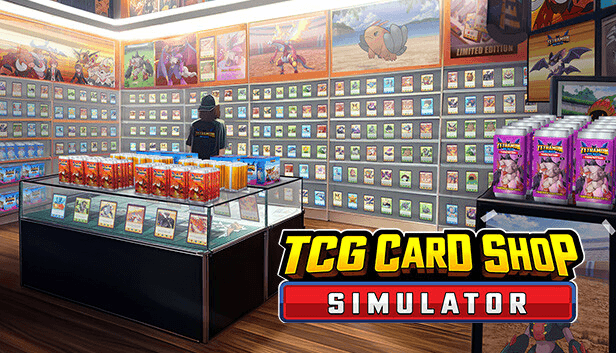
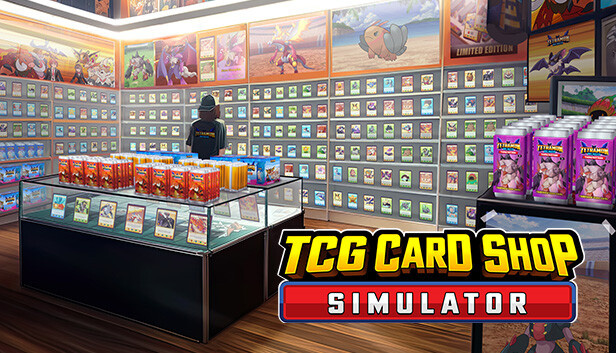
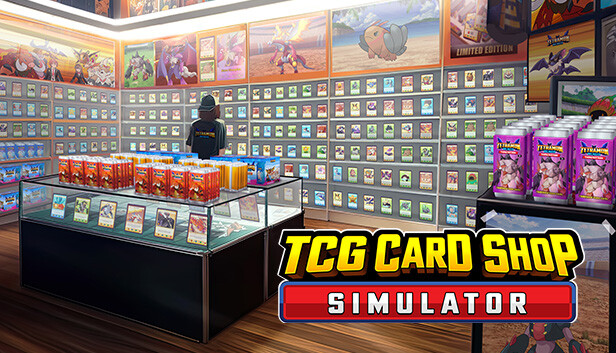
- What it does & for whom: First-person shop sim that lets TCG fans run the card store they wish existed—stocking packs, opening “shiny” pulls, pricing singles, and hosting events.
- Launch timeline: Prologue (free) August 6, 2024; Early Access September 15, 2024; Solo founder with contractors.
- Business model / pricing: One-time purchase at $12.99 on Steam; regional pricing and periodic discounts.
- Milestone revenue: Verified: 1M+ copies sold by November 6, 2024. Estimate: $12M–$16M developer gross by August 2025 (see rationale below).
- Core channels: Steam Prologue → Wishlists → Reddit seeding → Twitch/YouTube (xQc, VTubers) → Ongoing updates/mods.
- Edge: “Dopamine loop” of pack-opening + creator-friendly spectacle, priced to impulse-buy, shipped fast with asset reuse and Early Access feedback.
The Real Reason to Study This Business
Problem & audience. Running a TCG shop is an expensive fantasy. This game sells the feeling—inventory, price arbitrage, rare pulls—without the overhead. Audience spans cozy-sim players, current/former TCG collectors, and streamers who need long-tail, watchable loops. Why it’s non-obvious/timely. It looks like a simple “store sim,” but the engine is social: pack-opening suspense and shop optimization produce endless cliffhangers on stream. It rode the 2024–2025 “first-person retail sim” wave but differentiated with TCG nostalgia. Repeatable pattern. Ship a free Prologue to compress wishlists and feedback; then convert with a low ASP title that creators can stream for hours.
Business Snapshot
| Audience | Problem | Product Core | Pricing | Primary Channels | Edge |
|---|---|---|---|---|---|
| TCG fans + cozy sim players | Real shops are costly; collecting is pricey | Run a card shop, open packs, price/sell singles, expand store | $12.99 (EA), discounts | Steam Prologue → wishlists; Reddit; Twitch/YouTube; VTubers; modding | Pack-opening suspense + creator-friendly loops at impulse price |
What the Founder Did Differently
Constraint-led build. Solo founder; outsourced art selectively; heavy use of Unity/asset store; no paid UA; Early Access to fund + validate.
- Scope discipline: Shipped without a playable in-game TCG or complex economy sub-systems; decoration modes and deeper systems arrived later via updates.
- Speed wedges: Reused mobile IP (Idle Card Shop Tycoon) concepts; purchased 3D/audio/UI assets; leveraged a Prologue to harden UX and build wishlists.
- Credibility loop: Rapidly “owned” the TCG-shop fantasy on Steam; big creators (xQc, Hololive members) streamed it early, compounding social proof.
- Focus filters: Built for watchability and collecting dopamine, not hardcore sim purists; priced to maximize frictionless impulse buys globally.
The Growth Flywheel: Step-by-Step
Narrative (why order mattered):
- Prologue (free) → Wishlists. A limited, polished demo created trust and surfaced bugs—feeding the EA backlog and Steam visibility.
- EA launch at $12.99. A low price + clear fantasy compressed purchase decisions during the first influencer wave.
- Creator amplification. Big streams produced “must-try” moments (rare pulls, chaotic customers), fueling organic reach.
- Fast updates + mods. New décor/cards/systems kept creators returning; modding community extended content surface.
- Flywheel locks. More players → more streams → more wishlists → more algorithmic featuring → more players.
Flywheel Table
| Stage | Moves | Why it Worked | Irreversible Gain | Evidence/Notes |
|---|---|---|---|---|
| Seed | Prologue shipped ~5 weeks pre-EA | Low-risk trial; wishlist compression | Large wishlist base | Prologue launch Aug 6, 2024; strong CCU at demo stage (industry analysis) |
| Ignite | EA at $12.99 | Impulse price for a “watchable” sim | High day-1 conversion | Steam store pricing/release data |
| Amplify | Twitch/YouTube/VTubers | Pack-opening suspense is infinitely streamable | Creator back-catalog + recs | xQc + Hololive streams; community chatter |
| Compound | Monthly updates + content beats | Return streams, Steam surfacing | Higher baseline CCU/wishlists | Decor/content update cadence in 2025 |
| Endure | Mods & community | Extends content far beyond roadmap | UGC supply | Active NexusMods scene (Hololive mods, QoL) |
Strategic Leverage & Business Model
Leverage:
- Audience: Streamers as distribution; Reddit for early social proof.
- IP/speed: Fictional TCG (Tetramon) avoids licensing; asset store + freelancers accelerate delivery.
- Focus: A single SKU with global reach; roadmap-driven updates instead of parallel SKUs or DLC early. Monetization: One-time purchase (Steam). Price points: $12.99 (periodic discounts; regional pricing). Typical order value: ≈$9–$13 gross (blended). Retention: Updates + modding keep creators/players engaged. Unit economics (estimates): CAC ≈ $0 (organic creator pull). Payback immediate on purchase. LTV ≈ gross revenue per unit; expansion options include DLC, soundtrack, cosmetics, or console ports. Inference based on channel mix and pricing. Solo sustainability: One person can operate due to (a) tight scope, (b) outsourced art/audio, (c) community-driven QA via EA, (d) creators as marketing ops, and (e) modders expanding content footprint. Revenue rationale (estimate): By Aug 2025, external trackers indicate ~2.0–2.5M owners. With blended ASP $8–$9 (discounts/regions) → $16M–$22.5M gross, minus 30% platform fee → $11.2M–$15.8M developer gross. Conservatively rounded to $12M–$16M. Inference, using conservative lower-bound owners.
Can You Replicate This Today?
Easier now (AI/no-code): Rapid trailer cuts (Runway/CapCut), procedural environment dressing, LLM-assisted economy tuning, auto-translated store pages, mod tooling templates. Still hard: Designing watchable loops; taste for “sticky” suspense moments; pacing updates without breaking saves; creator relations you don’t control; IP adjacency without infringement. Starting fresh (playbook):
- Identify a watchable, nostalgic fantasy with cheap inputs (e.g., pawn shop, arcade, flea market).
- Build a 1-room vertical slice in Unity/UE; buy assets; ship a free Prologue in 6–10 weeks.
- Instrument wishlists; run Reddit + Discord seeding; share clear roadmaps in-client.
- Price $9.99–$14.99; localize top 8 languages at EA.
- Hand-deliver keys + “streamer-first” scenes (surprise events, rare pulls) to 50 mid-tier creators.
- Ship weekly micro-patches, monthly content beats; publish “what’s next” cards in the main menu.
- Embrace modding early (BepInEx/UMM); spotlight the best mods in your Steam news posts.
- Resist DLC until DAU stabilizes; when you do, make it spectacle-oriented (events, décor packs).
- Prepare console pipeline only after PC stabilization (don’t split QA early).
- Keep scope tight: one fantasy, one loop, one storefront until $5M+ gross. Speed traps to avoid: Overbuilding non-watchable features; chasing paid UA; day-1 DLC; multiplayer before systems stabilize; ignoring regional pricing.
Takeaways: Think Like This Founder
- Design for watchability, not just playability. Suspense beats (pack pulls) compound via creators.
- Front-load trust with a Prologue. Free + polished = wishlists and actionable backlog.
- Exploit asset arbitrage. Buy what you can; create only the differentiators.
- Price for impulse, then keep shipping. Low ASP + steady updates outrun bigger teams.
- Own a specific fantasy. One clear promise beats a kitchen-sink sim.
- Let the community extend you. Mods and creators are force multipliers for a solo.
Part of the 100 Days, 100 Solo Startups series.