
Field Note / day-54-schedulei
From a Free “Sample” to $1M+: How TVGS Turned Watchability into a Sales Engine with *Schedule I*
- Founder: Tyler (TVGS) — tvgs-games.com - What it does, for whom: An open-world crime/management sim built for tycoon...
Answer Engine Brief
This case study is part of Jesse's 100-day founder marathon for Solo Unicorn Club: stories of solo or near-solo founders who reached meaningful revenue gravity and left reusable lessons about product, distribution, AI leverage, and one-person company design.
Fast Facts
- Founder: Tyler (TVGS) — tvgs-games.com
- What it does, for whom: An open-world crime/management sim built for tycoon and sandbox players who like systems, chaos, and co-op.
- Launch & team: Early Access on March 24, 2025; solo developer with credited collaborators for music/art.
- Business model: One-time purchase ($19.99) on Steam + a polished free demo (“Schedule I: Free Sample”) as the funnel.
- Milestones: Hit #1 Top Seller on Steam for weeks post-launch; peaked around ~459,000 CCU in early April 2025.
- Revenue: Inference: Given price, CCU, and review velocity, early gross likely cleared $1M quickly; third-party owner models imply multi-million unit sales to date.
- Edge: A stream-ready core loop + zero-friction demo + fast patches that keep creators and players returning.
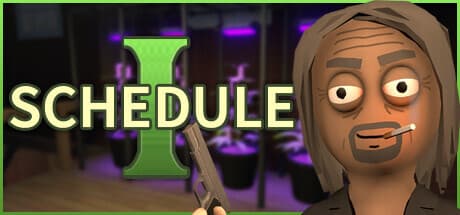
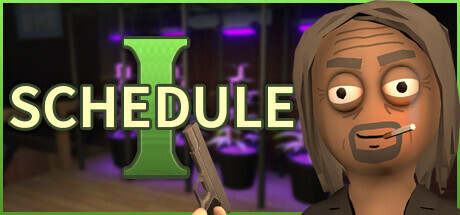 Schedule I Game, image source.

The fun version: why this one matters
On paper, Schedule I shouldn’t have worked this well. It’s a management sim about building a drug empire—controversial, moderation-prone, and crowded with competitors. But TVGS did something most solo founders skip: he designed for watchability first, and only then for depth. Streamers need quick hooks, co-op banter, and unpredictable moments. Players need a loop that’s satisfying after the stream ends. Schedule I gives both. The free “Sample” drops the friction to zero. Friends can jump in, chaos ensues, clips land on TikTok, wishlists convert, and Steam’s algorithm does the rest. Underneath the controversy is a repeatable playbook: build a creator-native product, make the first taste free, and ship updates like clockwork.
Business Snapshot
| Audience | Problem | Product Core | Pricing | Primary Channels | Edge |
|---|---|---|---|---|---|
| Tycoon/sandbox gamers + co-op streamers | New systemic sims rarely produce fast, shareable “wow” | Open-world crime/automation sim with instant co-op | $19.99 (EA) + free demo | Steam discovery, Twitch/YouTube/TikTok, Discord | Highly watchable, clip-worthy chaos + rapid updates |
What the founder did differently (decisions, not biography)
- Designed for streams. Systems produce 30–90-second chaos bursts (raids, botched runs, goofy recipes) that turn into clips. Fast onboarding lets creators teach while entertaining.
- Made the demo the acquisition engine. “Free Sample” isn’t a throwaway—it’s a sticky, co-op wedge that onboards entire friend groups. No credit card, instant session.
- Scoped for depth, not breadth. Early Access with a tight loop; postponed consoles, heavy narrative, and expensive content. One platform, one price, one funnel.
- Kept the credibility loop tight. Public roadmap, frequent patches, detailed Steam posts, and hands-on community replies—trust compounds, reviews rise, CVR follows.
- Leaned into stylization for speed. Stylized look + a proven engine means fast iteration and content that’s “good enough to ship” weekly.
What wasn’t built (on purpose): console ports, DLC trees, cosmetics, sprawling story arcs, paid UA. Focus stayed on the loop and the funnel.
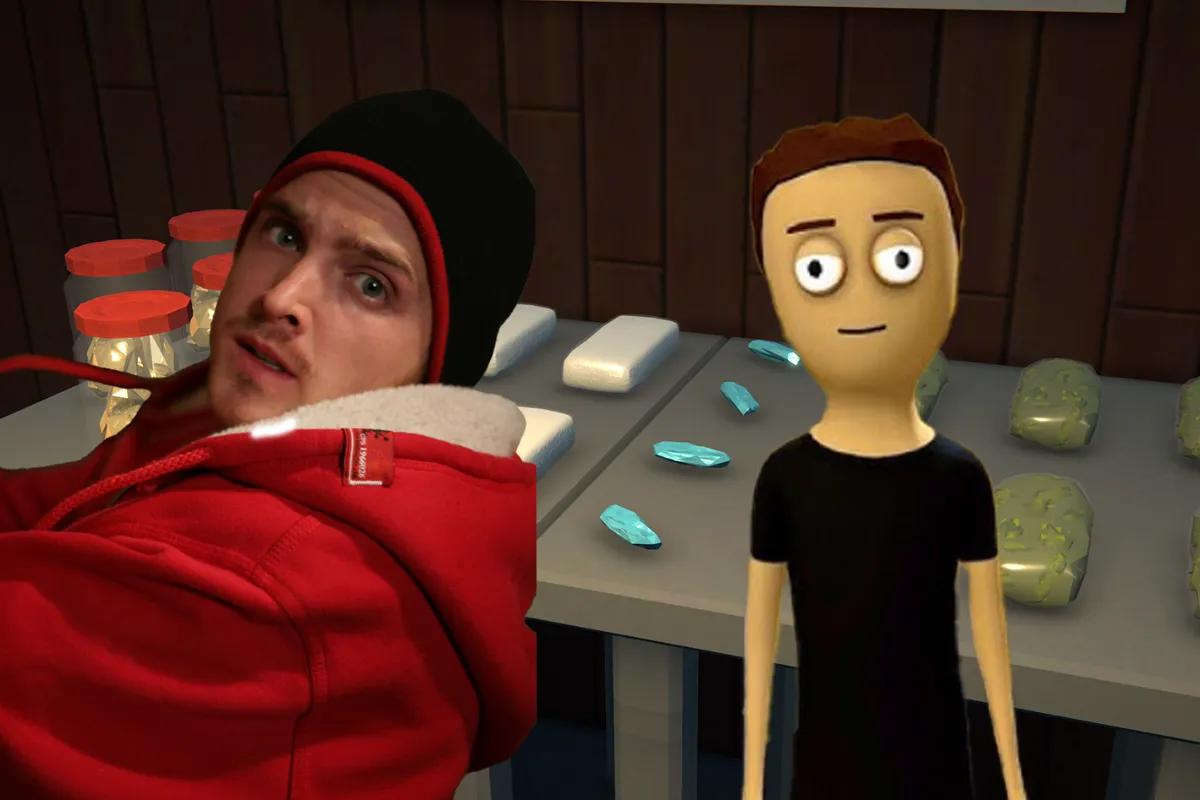
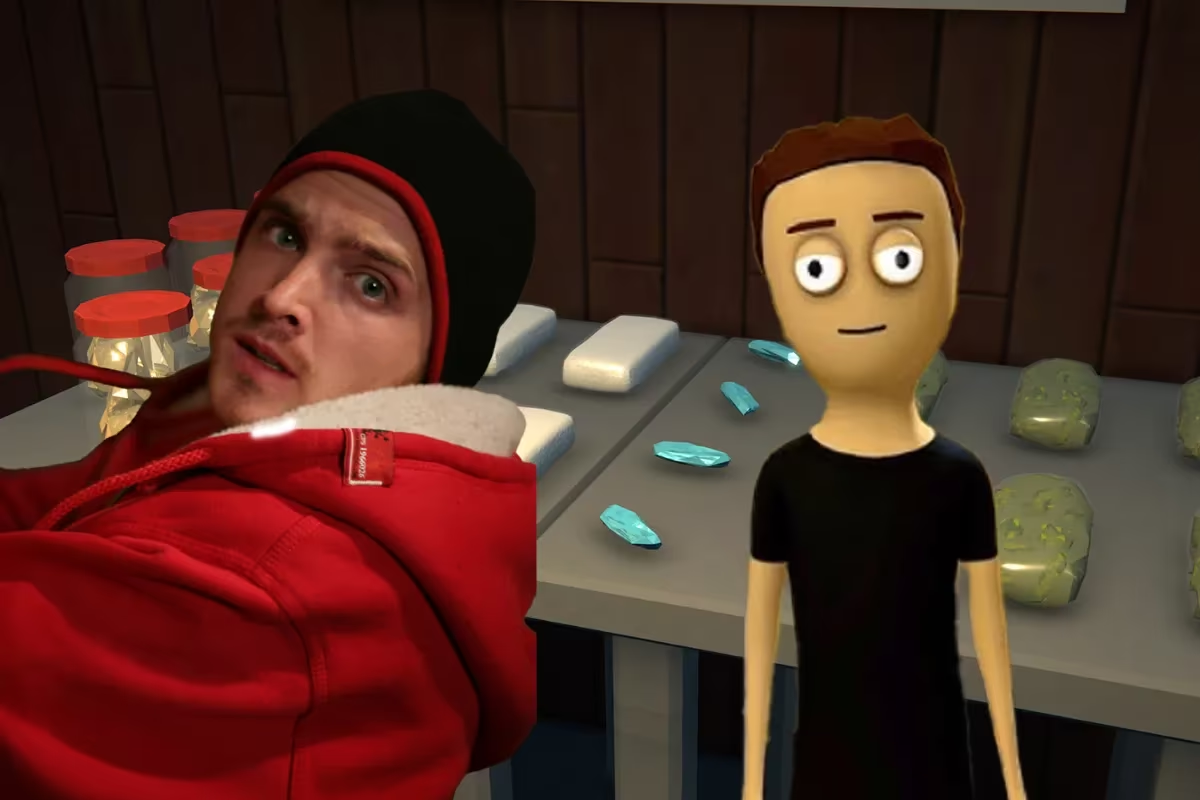 Successes of Drug Deal Simulator Indie-Game, image source.
The growth flywheel (watchability → discoverability → sales)
Narrative version:
- Free demo lowers the wall: one friend pulls another into co-op.
- Creators farm moments: chaos yields clips; TikTok and Twitch do the lifting.
- Steam visibility spikes: sales velocity pushes Top Sellers; new players discover it.
- Patches keep the party going: returning players + fresh clips + better reviews.
- Community gravity: Discord feedback → roadmap → more reasons to return.
- Compounding: back catalog of clips + rising reviews + algorithmic lift. Table version:
| Stage | Moves | Why it worked | Irreversible gain | Notes |
|---|---|---|---|---|
| Trial | Free “Sample” demo w/ co-op | Removes purchase friction; social pull | Large install base at top of funnel | Demo is fun, not crippleware |
| Watchability | Emergent systems tuned for clips | Creators entertain while teaching | Evergreen clip library | Streamers recruit for free |
| Store lift | Top Sellers + tag surfacing | Sales velocity → algorithmic boost | Discovery beyond creator circles | Adds organic reach |
| Trust | Weekly-ish patches + clear notes | Signals a living product | Higher review %, better CVR | Community feels heard |
| Retention | Co-op + automation depth | Sessions become rituals | Word-of-mouth expansion | Players bring friends |
Strategic leverage & the model
- Leverage sources:
- Distribution: Streamers as an always-on, performance-paid salesforce; demo as the self-serve trial.
- Speed: Stylized art + Unity workflow enables rapid content drops.
- Focus: PC/Steam only; Early Access cadence over multi-platform chaos.
- Monetization: One-time purchase ($19.99). No IAP in the core SKU. Demo converts to full game.
- Order value: ~$20.
- Retention: Co-op sessions and patch rhythms re-activate lapsed players. (Inference)
- Unit economics: No disclosed CAC. With creator-led acquisition and Steam discovery, paid UA is negligible; payback is immediate on purchase. (Inference)
- Why one person can run it: A narrow scope, strong community rituals, and tooling (build pipeline, bug triage, public roadmap) keep ops light while cash flow funds more content.
Can you replicate this today?
What’s easier now
- Use LLM agents for balance experiments, patch notes drafting, and QA triage.
- Start with readymade systems (inventory/crafting/nav/AI) in Unreal/Unity—ship the loop, not the engine.
- Steam players now expect a polished demo; the “free sample” play is socially accepted. What’s still hard
- Designing for watchability without making a shallow toy.
- Handling sudden scale (cheats, griefing, moderation).
- Managing theme risk (store policies, regional friction) without losing the hook. Week-1 starter plan
- Pick a clip-first loop (3 concrete “clip moments” you can film today).
- Prototype in 4–6 weeks (instrument events; export highlights).
- Ship a 30–90-minute demo with co-op and a clear “Upgrade to Full” CTA.
- Seed mid-tier creators with keys + clip prompts; hang in their chats and fix what breaks.
- Launch EA at a simple price; pin a public roadmap.
- Patch weekly for 8–12 weeks; each patch has a headline feature and a meme-worthy tweak.
- Use Discord polls to prioritize; reward UGC guides/mods; spotlight creator compilations.
- Don’t touch consoles until Steam flywheel stabilizes. Speed traps to avoid
- Sprawling narratives that crush clip density.
- Premature ports that fracture QA.
- Buying ads before your demo reliably converts.
- Ignoring moderation until Reddit is on fire.
Takeaways: think like TVGS
- Design for watchability: if it doesn’t clip, it won’t spread.
- Make the demo the funnel: free, co-op, and genuinely fun.
- Scope like a sniper: one platform, one price, one loop—until metrics force expansion.
- Ship to earn trust: public roadmap + frequent patches = higher conversion.
- Use style to go faster: stylization and modular systems beat realism when you’re solo.
Part of the “100 Days, 100 Solo Startups” series.