
Field Note / day-56-gettingoverit
From Rage-Design to $1M+: How Bennett Foddy Used “Watchability” to Build a Solo Hit
- Founder: Bennett Foddy (creator of QWOP) — foddy.net - What it does & for whom: A brutally difficult,...
Answer Engine Brief
This case study is part of Jesse's 100-day founder marathon for Solo Unicorn Club: stories of solo or near-solo founders who reached meaningful revenue gravity and left reusable lessons about product, distribution, AI leverage, and one-person company design.
Fast Facts
- Founder: Bennett Foddy (creator of QWOP) — foddy.net
- What it does & for whom: A brutally difficult, physics-climbing game built for players who enjoy skill mastery—and for viewers who enjoy watching others suffer (and overcome).
- Launch & team: Humble Monthly debut on Oct 6, 2017; Steam + iOS on Dec 6, 2017; Android on Apr 25, 2018. Team: solo.
- Business model/pricing: One-time purchase. Steam $7.99; iOS/Android ~$4.99.
- Milestone revenue: Verified: 1M+ copies by Jan 30, 2018. Inference: At those price points (minus platform fees/discounts), that implies multi-million-dollar gross with near-zero paid UA.
- Core channels: Steam/App Store/Google Play + earned distribution via Twitch/YouTube.
- Edge: “Watchability by design” and an author voice embedded in the product (his name is literally in the title).
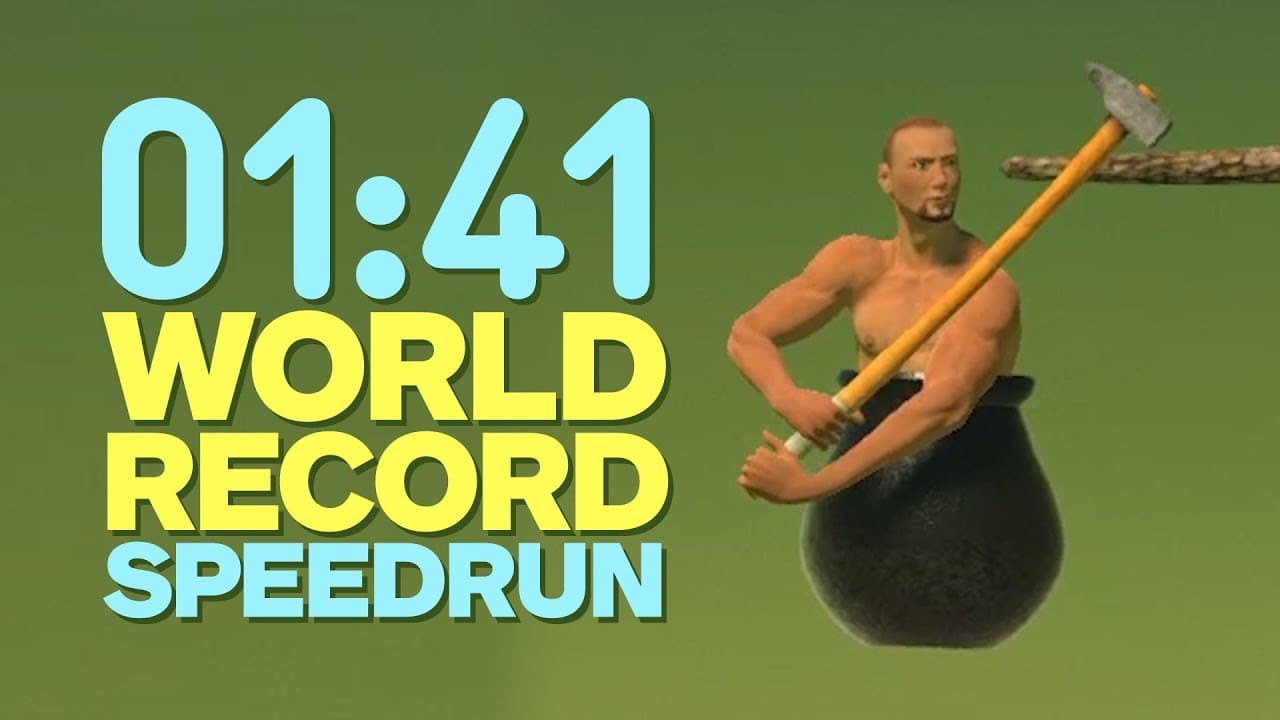
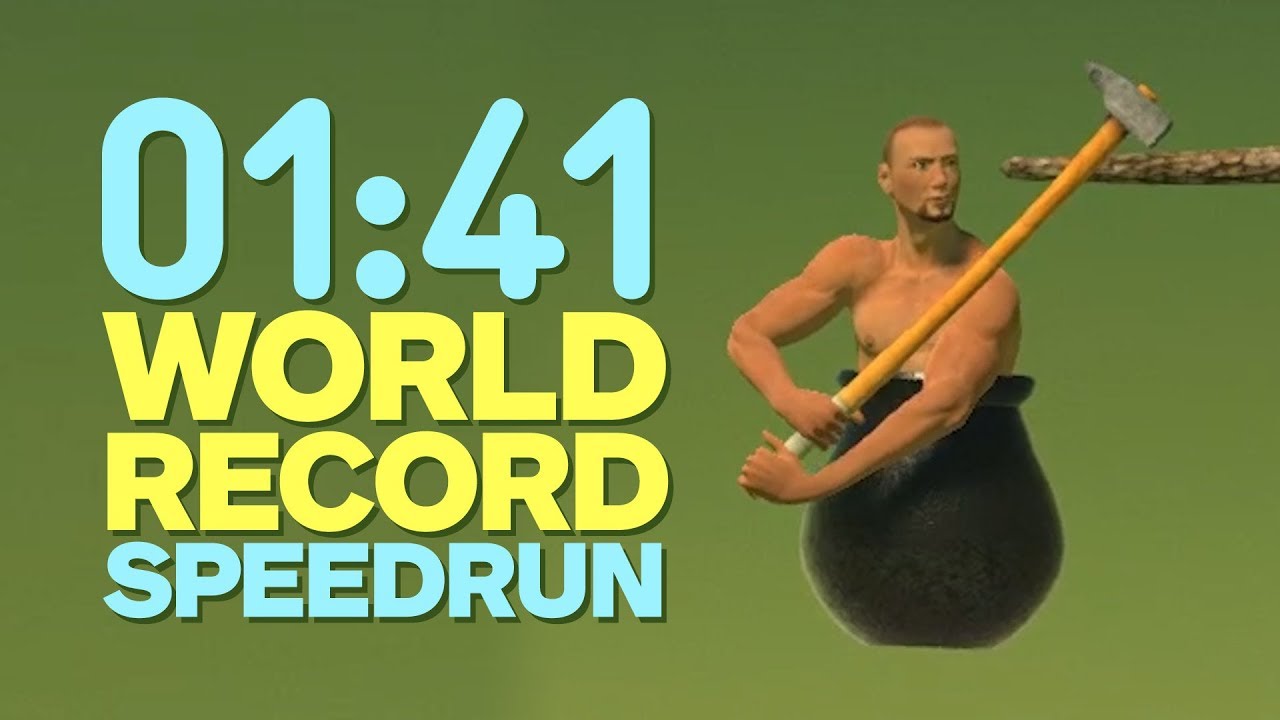 Getting Over It Finished In Under 2 Minutes, image source.
Why This Case Matters (and to whom)
Most indie products fail not on product, but on distribution. Foddy solved for both by turning the game itself into a distribution engine. Every slip, rage, and miraculous save created a clip worth sharing. Streamers did the storytelling; the storefronts captured the demand. This is non-obvious because it rejects comfort features (checkpoints, assists) and leans into a polarizing thesis: failure as spectacle. It also ships the creator’s personality inside the product via narration and naming. If you’re a solo builder, the repeatable pattern is clear: constrain scope to one memorable mechanic and make the core loop inherently shareable. Marketing becomes an outcome, not a separate project.
Business Snapshot
| Audience | Problem | Product Core | Pricing | Primary Channels | Edge |
|---|---|---|---|---|---|
| Stream viewers & mastery-hungry players | Most games aren’t fun to watch | Single-tool physics climb + no checkpoints + founder narration | $7.99 (PC), ~$4.99 (mobile) | Steam, App Store, Google Play; Twitch/YouTube | “Watchability by design” + creator’s name in the title |
What the Founder Did Differently (Decisions, not biography)
- One mechanic, zero bloat. Hammer + cauldron + mountain. No meta-systems, no multiplayer, no cosmetics. Scope discipline produced polish and clarity.
- Put the author in the product. “...with Bennett Foddy” and in-game narration created built-in commentary for viewers and sticky identity for press/algorithms.
- Launched where the heat was. Humble Monthly (Oct ’17) seeded a base. A synchronized Steam + iOS launch (Dec ’17) captured demand at the peak of streaming virality.
- Let streamers do the selling. High emotional variance (falls, rants, triumphs) equals great live content. No paid UA required.
- Explicitly didn’t build: difficulty sliders, checkpoints, live-ops, DLC roadmaps. The absence protected the core hook and kept operations solo-sustainable.
 Bennett Foddy, founder of the Getting over it with Bennett foddy game, image source.

The Growth Flywheel (and why order mattered)
- Seed → Humble Monthly release put the game in many hands fast.
- Ignite → Streamers discovered it; rage + narration created must-watch moments.
- Capture → Steam + iOS went live the same day, reducing purchase friction.
- Social proof → Charting + press headlines closed the loop.
- Sustain → Android release + speedrunning/leaderboards extended the tail.
Flywheel Table
| Stage | Moves | Why it Worked | Irreversible Gain | Evidence/Notes |
|---|---|---|---|---|
| Seed | Humble Monthly (Oct 6, 2017) | Rapid hands-on distribution | Clips and early buzz | Documented debut |
| Ignite | Design for rage & mastery | Emotional spikes retain viewers | Hundreds of creator videos | Extensive streaming coverage |
| Capture | Steam + iOS same day (Dec 6, 2017) | Buy where you watch | Sales spike; chart visibility | Reported top chart placements |
| Proof | Press amplifies; word of mouth | Credibility loop | “Everyone’s playing/watching it” effect | 1M+ copies by Jan 30, 2018 |
| Sustain | Android (Apr 25, 2018); speedruns | New surfaces; mastery culture | Evergreen discovery | Active categories & runs |
Strategic Leverage & Business Model
- Leverage sources:
- Audience leverage: Streamers and viewers became unpaid sales reps.
- IP & identity: Author name in the title + narration = compounding memory.
- Focus & speed: Tiny scope allowed a solo builder to ship, polish, and port.
- Monetization: One-time premium. Typical order value $4.99–$7.99. No ads/subscriptions.
- Unit economics: n/a (not disclosed). (Inference: multi-million gross at 1M+ units; CAC ~ $0 due to organic creator distribution.)
- Solo sustainability: No live-content treadmill; support limited to platform updates and ports. Avoided fundraising and hiring, preserving creative control and margin.
Can You Replicate This Today? (A practical solo path)
What’s easier now
- Engines (Unity/Godot) + asset stores compress physics/UX work.
- Auto-clip tools (e.g., OBS + highlight plugins) and Shorts/TikTok accelerate discovery.
- Festivals and Playtests (Steam Next Fest) create concentrated early feedback. What’s still hard
- The taste to tune a punishing yet fair difficulty curve.
- Writing an authentic voice that adds meaning (not noise).
- Resisting scope creep when early traction hits. A 10-step playbook
- Pick a one-mechanic loop that naturally creates “oh no/oh yes” moments.
- Prototype in Unity/Godot; build instant replay + auto-clip into the core.
- Script short, reactive narration (triggers for falls, recoveries, milestones).
- Ship a PC demo/Playtest; instrument rage-quit vs. retry rates.
- Gift keys to 20–50 mid-tail streamers with a clip prompt (“show us your worst fall”).
- Prepare a developer commentary video for launch week to give journalists a story.
- Price to impulse ($7–$10 PC; $4–$5 mobile).
- Synchronize Steam + iOS launch; Android within 60–120 days.
- Support speedrun hooks (timers, seeds) and pin the first community categories.
- Post-launch: one polish patch, keep ops light, and let the ecosystem compound. Speed traps to avoid
- Adding extra modes because “content.”
- Spiking difficulty from “punishing” to “unfair.”
- Betting only on storefront algorithms. Design for clip-ability first.
Takeaways: Think Like This Founder
- Design for distribution. If people can’t watch your product, your reach is capped.
- Own the voice. Put the author in the product—narration, naming, personality.
- Constrain to amplify. One idea, executed deeply, travels further than five half-ideas.
- Sequence converts. Seed → stream → synchronize storefronts while heat is highest.
- Make failure fun. Fair failure fuels mastery, memes, and retention.
*Part of the “100 Days, 100 Solo Startups” series. *