
Field Note / day-59-roguetower
From One Bold Mechanic to $1M+: How Rogue Tower Used Steam Discovery to Win as a Solo Founder
- What it does & for whom: A roguelite tower-defense for PC players who want high-variance runs and placement-first...
Answer Engine Brief
This case study is part of Jesse's 100-day founder marathon for Solo Unicorn Club: stories of solo or near-solo founders who reached meaningful revenue gravity and left reusable lessons about product, distribution, AI leverage, and one-person company design.
Fast Facts
- What it does & for whom: A roguelite tower-defense for PC players who want high-variance runs and placement-first strategy.
- Launch & team: Jan 28, 2022; solo developer (confirmed via developer posts).
- Business model / pricing: $14.99 premium game; optional $6.99 soundtrack; periodic bundles/discounts.
- Milestone revenue: $1.6M–$2.9M lifetime gross (Estimate) as of Aug 2025 using public reviews→sales heuristics; range reported by independent calculators.
- Core channels: Steam algorithmic discovery (wishlists → launch visibility), creator coverage on Twitch/YouTube, and steady Steam News updates.
- Edge: One memorable mechanic—you extend and shape the path—giving replayability without live-ops overhead.
The Real Reason to Study This Business
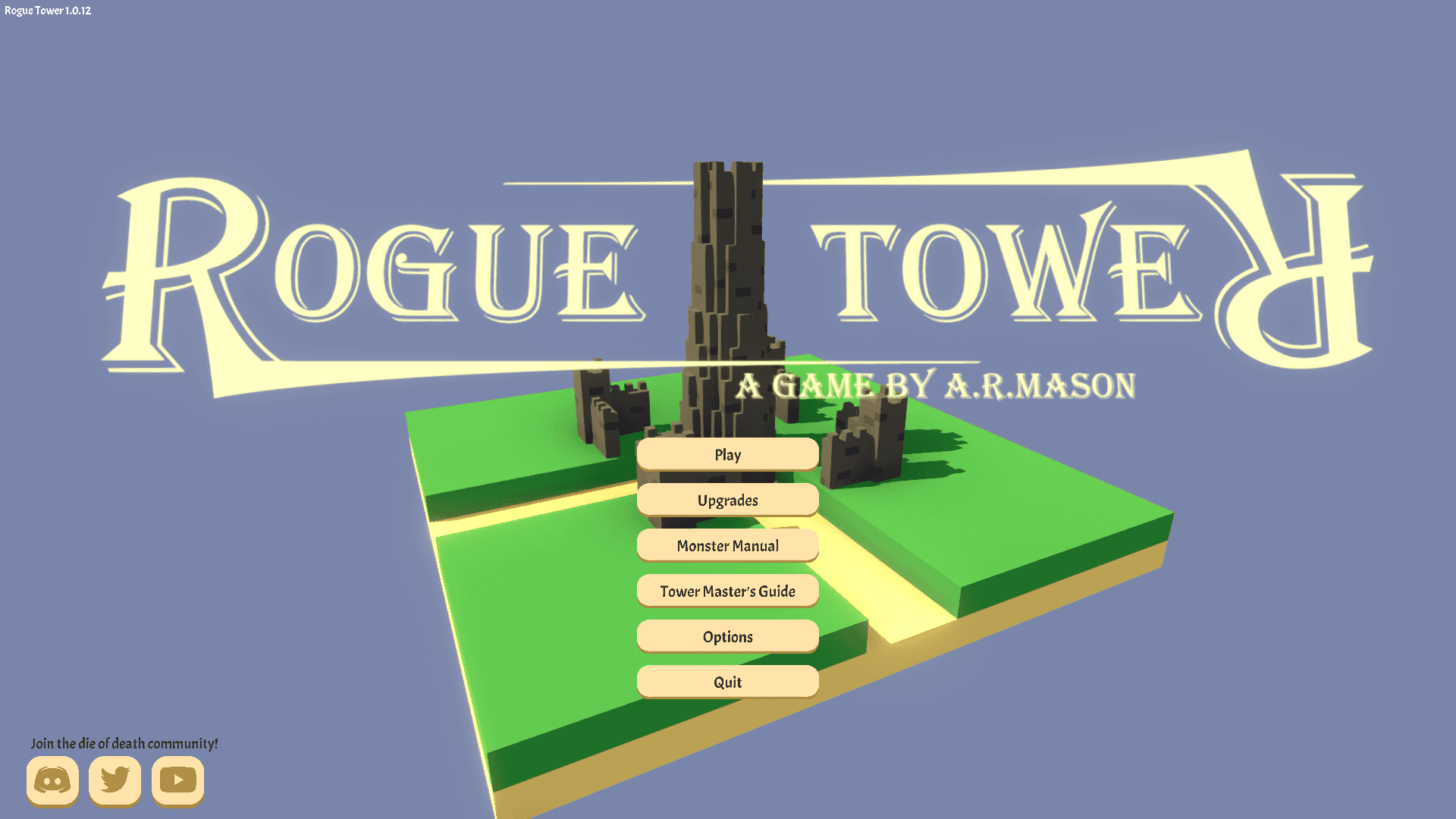
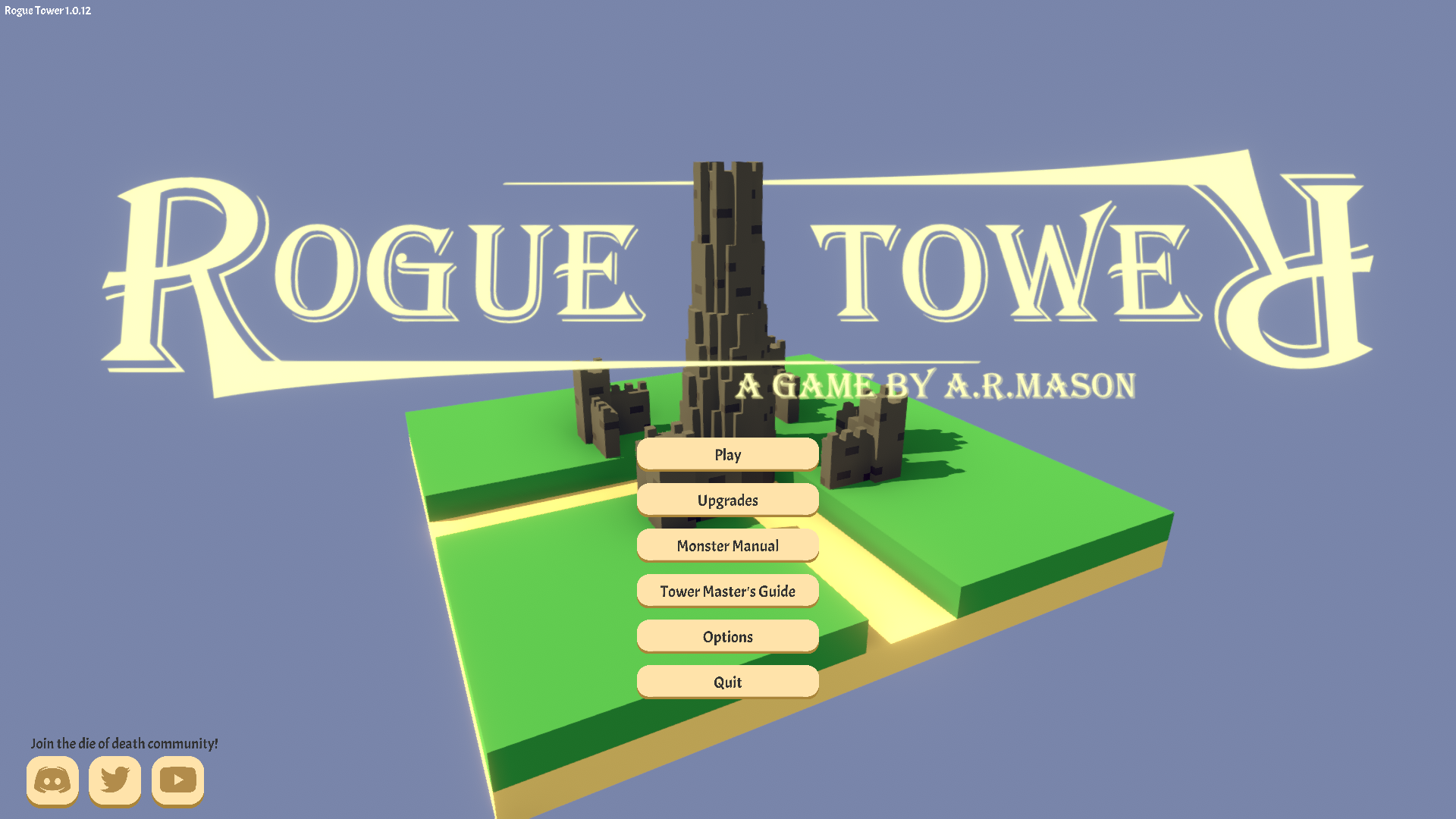
The audience & problem. Traditional tower defense gets solved: fixed paths, solved placements, stale runs. Rogue Tower targets strategy players who crave fresh puzzles each run without bloated meta systems. Why it’s non-obvious. Instead of stacking features, the dev bet everything on a single idea: player-influenced, ever-expanding paths. That twist is visually obvious, easy to market, and inherently watchable—perfect for creators and Steam thumbnails. The repeatable pattern. Solo founders can win discovery by over-indexing on one remarkable mechanic, writing ruthless scope rules, and feeding the Steam loop with named updates that reignite reviews.
Business Snapshot
| Audience | Problem | Product Core | Pricing | Primary Channels | Edge |
|---|---|---|---|---|---|
| PC strategy & roguelite players | Static TD becomes solved; low novelty per run | Extend-the-path mechanic + tower placement + light card/upgrade economy | $14.99 base; $6.99 soundtrack; occasional bundles | Steam discovery + launch-week streamers + Steam News posts | High replayability from one idea; easy to explain, demo, and stream |
What the Founder Did Differently (Decisions, not biography)
- Scoped to one platform (PC/Steam). No console/mobile sprawl. All effort aimed at one algorithm and one storefront.
- Sold the mechanic, not a feature list. “Roguelite TD where you extend the path.” Eight words that convert impressions into wishlists.
- Priced for impulse. $14.99 is the indie sweet spot that streamers can recommend without friction; soundtrack adds optional ARPPU.
- Shipped beats, not a treadmill. Named post-launch updates create news moments and review velocity without service-game complexity.
- Let Steam do the UA. Tags, wishlists, creator play, and review momentum replace paid acquisition.
- What was intentionally not built. No early ports, no multiplayer, no cosmetic store, no heavy live-ops—maintenance a solo dev can actually sustain.
The Growth Flywheel
The order mattered because each step boosted the next metric Steam cares about—wishlists, conversions, and review velocity.
- Clarify the hook → bank wishlists. The store page makes the idea obvious in seconds.
- Launch with watchability. Creator streams generate early sales and reviews, improving the algorithm’s confidence.
- Name the updates. Each drop earns a fresh round of store visibility and content from creators.
- Light monetization uplift. Soundtrack and bundles lift AOV without distracting the roadmap.
- Sequel beat. Announcing Rogue Tower 2 recycles attention to the first game and future-proofs the audience.
Flywheel Table
| Stage | Moves | Why it Worked | Irreversible Gain | Evidence/Notes |
|---|---|---|---|---|
| 1. Pre-launch | Clear promise + tags; wishlist push | Fast comprehension → higher Wishlist/Visitor ratio | Banked demand | Store page positioning |
| 2. Launch | Streamer coverage; $14.99 | Watchable runs → conversions → early reviews | Algorithmic lift via review velocity | Launch-week creator streams |
| 3. Post-launch | Named content drops | Creates PR/creator hooks without big scope | More reviews; rating stability | Steam News cadence |
| 4. Monetization | Soundtrack + bundles | AOV up; friction low | Better revenue per owner | Store bundles/discounts |
| 5. Sequel | RT2 announcement | Rekindles community; primes future wishlists | Tail sales + cross-sell | Official dev post |
Strategic Leverage & Business Model
Where the leverage came from
- Design IP: One standout mechanic that reshapes placements every run.
- Platform physics: Steam’s discovery loop (wishlists → launch spike → reviews → visibility).
- Operational focus: Minimal surface area, so one person can ship updates and support. What was deliberately avoided
- Hiring, fundraising, ports, and heavy live-ops systems—each would multiply maintenance costs without guaranteed upside. Monetization
- Model: One-time premium.
- Price points: $14.99 base; $6.99 soundtrack; bundles during sales.
- Typical order value: ~$14.99–$17.58 depending on bundle timing.
- Retention pattern: Return spikes on named updates; sequel announcement re-activates lapsed owners. Unit economics (n/a where unknown)
- CAC: n/a (Inference: primarily organic via Steam + creators).
- Payback: n/a.
- Expansion/Upsell: Modest via soundtrack/bundles.
- LTV drivers: Replayable core loop + periodic updates + sequel halo. Solo sustainability
- One platform, one mechanic, named updates, and a small support surface area keep the workload legible for a single developer.
Can You Replicate This Today?
Easier now
- Tooling: Unity/Godot + asset stores + procedural map generators.
- LLMs for ops: Script editors, balance spreadsheets, test harnesses, patch notes.
- Distribution: Steam Playtest + wishlists instrumentation; templated press/creator kits. Still hard
- Tasteful systems design (difficulty curves, placement incentives).
- Earning creator attention in a crowded roguelite market.
- Resisting scope creep when early traction hits. Starting fresh (playbook)
- Build a GIF-able prototype that sells the twist in 10 seconds; test in r/roguelites + a Coming Soon page.
- Track Wishlist/Visitor and Demo→Wishlist to validate store positioning.
- Lock scope to one mechanic that reframes core decisions (e.g., path control, terrain deformation, drafting twist).
- Ship a Steam Playtest; instrument runs and deaths; tune for “one more try” loops.
- Price at $9.99–$14.99; write store copy like an ad: one line + 3 bullets.
- Pre-seed 20 mid-tier creators with save files and talking points; embargo lift = launch-day content flood.
- Calendar two named updates pre-written (titles + key art) to re-spike reviews 30–90 days post-launch.
- Add soundtrack after launch; do bundles for seasonal sales.
- Avoid ports until tail stabilizes; if porting, outsource to keep dev velocity.
- If a sequel, announce inside Game #1 and recycle the player base. Speed traps to avoid
- Multi-platform day one, vague store promise, feature bloat, and update plans that require a live-ops team you don’t have.
Takeaways: Think Like This Founder
- Win the thumbnail test. Your hook must be legible in one sentence and one GIF.
- Exploit platform physics. Wishlists and review velocity are your UA engine—design around them.
- Scope is strategy. Every feature must be maintainable by one person.
- Ship beats, not a treadmill. Named updates create free PR and steady reviews.
- Price for impulse; upsell lightly. Keep the purchase easy and the extras optional.
Part of the 100 Days, 100 Solo-Startup Breakdowns series.