
Field Note / day-60-ashorthike
From “Tiny Open World” to $1M+: How A Short Hike Turned Restraint into Rocket Fuel as a Solo Founder
- What it does & for whom: A 2–3 hour “cozy” exploration game about hiking to a mountaintop—built for players who want...
Answer Engine Brief
This case study is part of Jesse's 100-day founder marathon for Solo Unicorn Club: stories of solo or near-solo founders who reached meaningful revenue gravity and left reusable lessons about product, distribution, AI leverage, and one-person company design.
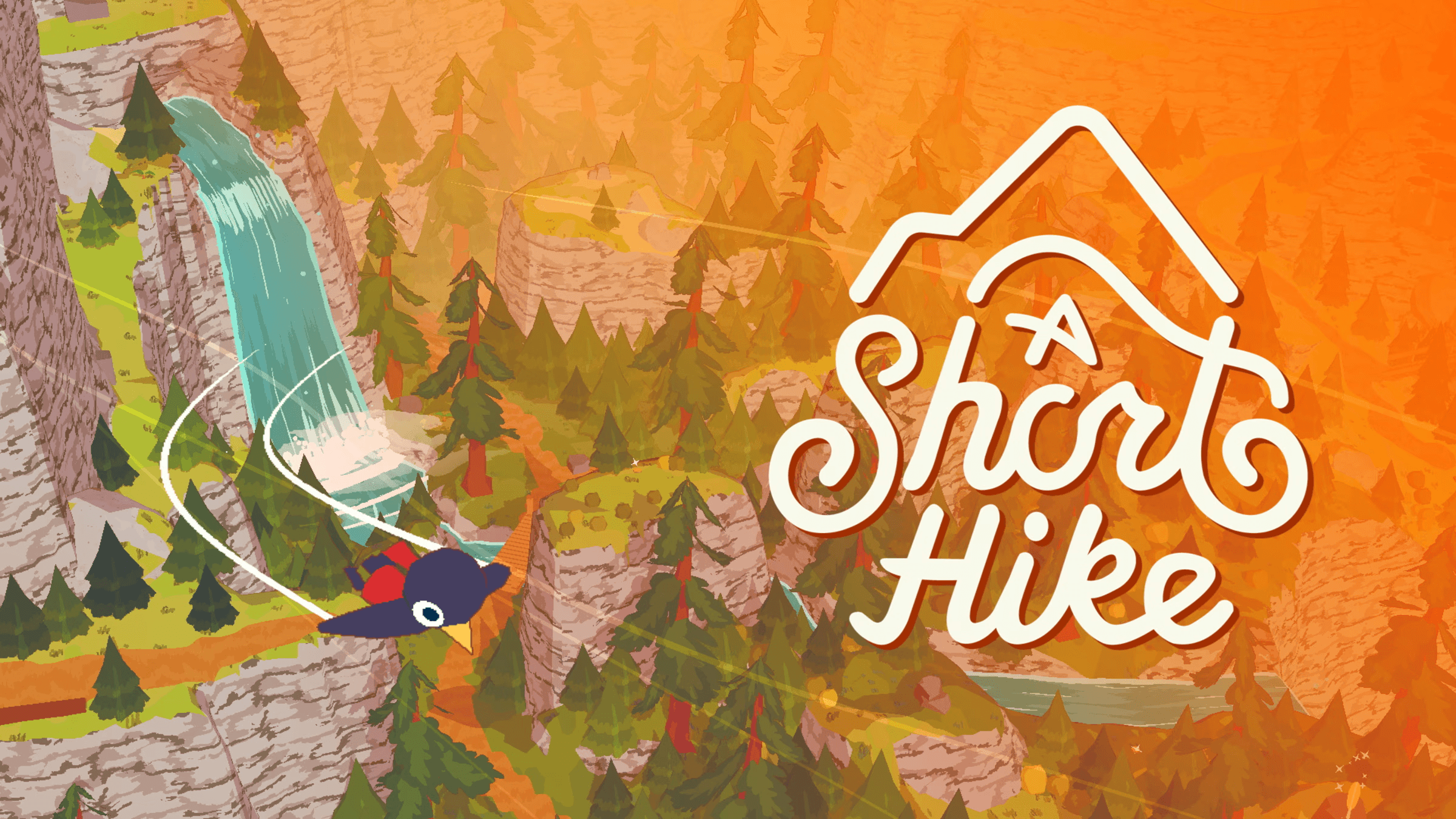
Fast Facts
- What it does & for whom: A 2–3 hour “cozy” exploration game about hiking to a mountaintop—built for players who want a complete, feel-good premium experience without grind or live-ops.
- Launch & team: Humble Original on April 5, 2019 → Steam/itch on July 30, 2019 → Switch on August 18, 2020 → PS4/Xbox One on November 16, 2021. Solo developer Adam Robinson-Yu with collaborators for music/art.
- Model & price: Premium, $7.99. No DLC, no microtransactions.
- Milestone revenue: $1M+ lifetime (conservative floor; Steam trackers put PC alone in seven figures, with Switch reportedly stronger).
- Core channels: Humble seeding → Steam reviews/wishlists → Nintendo Indie World surprise-drop → later console ports.
- Edge: Ruthless scope, delight-per-minute design, award momentum (IGF Grand Prize), and perfect platform fit.
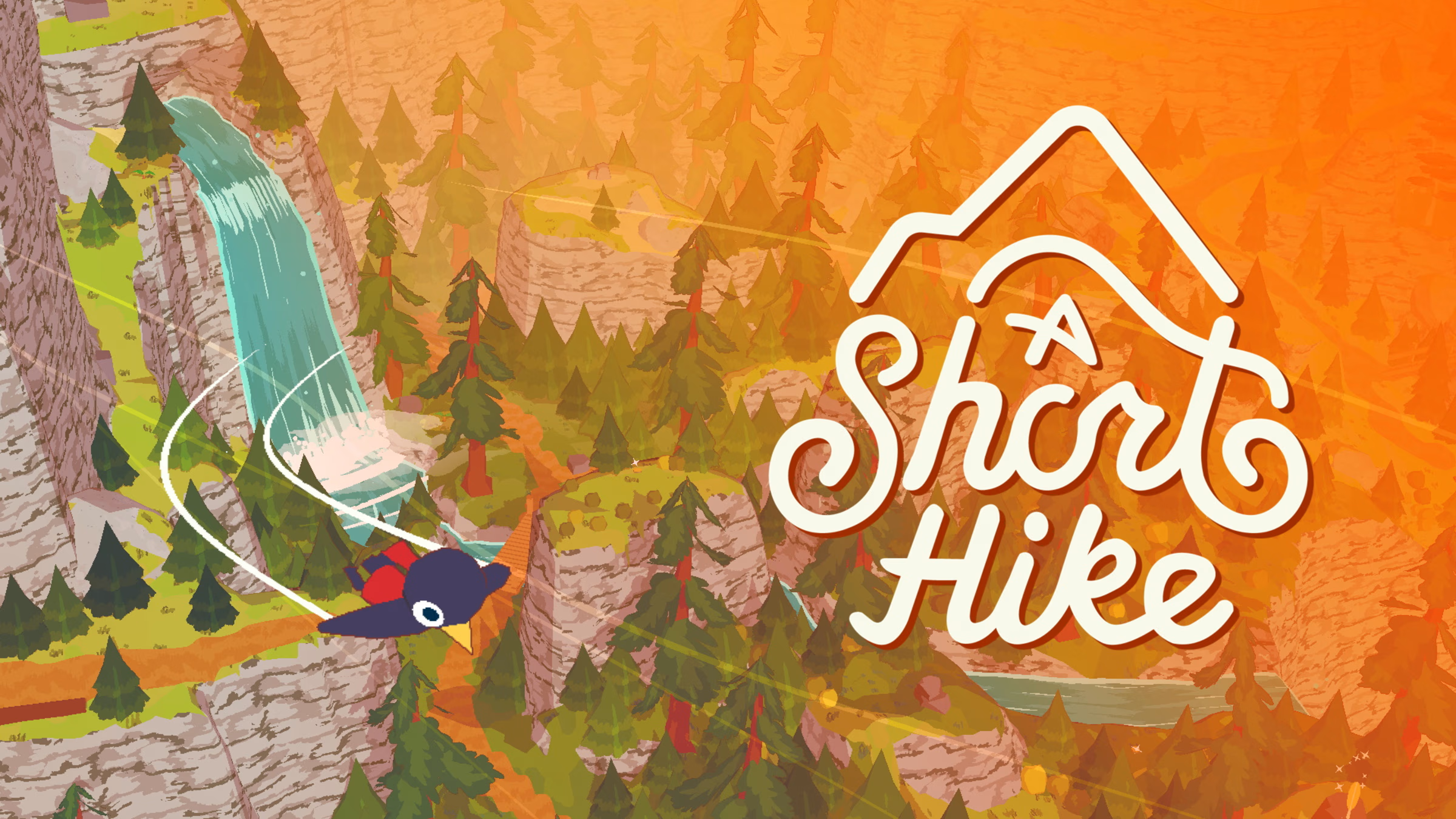 Image source.
The Real Reason to Study This Business
Problem & audience. By 2019, many players were overwhelmed by endless games and battle passes. There was a clear, underserved appetite for something you could start after dinner and finish before bed—and still feel like you’d been somewhere. Why this case matters right now. The “cozy” wave and Switch’s indie discovery were peaking. Instead of chasing hours-played, A Short Hike made finishability a feature, then used platform curation to do the heavy lifting. That’s the non-obvious move: do less, better, and let distribution do more work than marketing. The repeatable pattern. Seed with a trusted curator, validate on PC where reviews compound, pop on Switch via showcase placement, lock in prestige with awards, then harvest the long tail with ports. Each step adds irreversible proof—wishlists, review score, trophy icons—that keeps converting new buyers months (and years) later.
Business Snapshot
| Audience | Problem | Product Core | Pricing | Primary Channels | Edge |
|---|---|---|---|---|---|
| Cozy/premium indie players | Want a short, uplifting game without grind | Tiny open world; glide, climb, collect; 2–3 hr finish | $7.99 (premium) | Humble → Steam → Switch showcase → PS/Xbox ports | Dense fun/minute, rave reviews, awards, perfect Switch fit |
What the Founder Did Differently
- Scope discipline. Built a tiny open world and shipped when it felt whole—not when it hit a checklist. No feature bloat, no live-ops tail.
- Speed wedges. Leaned on engine tooling and asset discipline to produce polish quickly, then used Humble Original to timebox the sprint and guarantee early players.
- Credibility loop. Steam “Overwhelmingly Positive,” year-end lists, and the IGF Grand Prize compounded storefront placement and press.
- Focus filters. Deliberately ignored “add more hours” pressure. Optimized for delight per minute, not content volume.
- Platform match. Treated Switch as the breakout platform and surprise-dropped via Nintendo’s Indie World—meeting a hungry audience where conversion was highest.
 Adam Robinson-Yu, the developer of A Short Hike, image source.

The Growth Flywheel: Step-by-Step
Flywheel
| Stage | Moves | Why it Worked | Irreversible Gain | Evidence/Notes |
|---|---|---|---|---|
| 1. Seed | Humble Original build (Apr 2019) | Timeboxed funding + curated audience | Early players, credibility | Creates a baseline of fans and press |
| 2. Prove | Steam/itch launch (Jul 30, 2019) | Low friction price + PC press + reviews | High rating, wishlist tail | Steam algorithms reward quality |
| 3. Pop | Switch surprise-drop(Aug 18, 2020) | Showcase boost + perfect “cozy” fit | Bigger sales vs. PC | Switch buyers over-index on premium indies |
| 4. Cement | IGF Grand Prize (Mar 2020) | Award badges boost CTR & trust | Evergreen legitimacy | Converts undecided buyers |
| 5. Extend | PS4/Xbox ports (Nov 16, 2021) | New TAM w/ minimal content work | Longer shelf life | Revenue without scope creep |
Narrative sequence (why order mattered):
- Timebox with Humble to force shipping and earn a seed audience.
- Validate on Steam; let reviews and GOTY mentions compound discoverability.
- Explode discovery on Switch with a curated showcase and day-and-date drop.
- Lock in prestige via awards, raising baseline conversion across storefronts.
- Harvest the long tail with ports—fresh shelves, same compact game.
Strategic Leverage & Business Model
- Leverage sources.
- Scope & taste. A tiny but meticulously tuned world beats “more content.”
- Curation ladders. Humble → Steam reviews → Nintendo showcase → IGF.
- Asset reuse & tooling. Move fast with the engine; polish where it shows.
- Ports as TAM, not scope. New platforms without new systems.
- Monetization. One-time premium at $7.99. No DLC or battle pass. Average order value is the price; the retention pattern is evergreen discovery, not live re-spend.
- Unit economics (directional). CAC ≈ low due to storefront features and word-of-mouth; platform fees ~30%; digital margins high; main cost centers are dev time and modest porting fees.
- Why it stays solo-viable. Few updates required, no live-ops burden, and ports staggered over time. Collaborators for music/art don’t force headcount or management overhead.
Can You Replicate This Today?
Easier now
- Prototyping: Unity/Unreal with prefab kits, Cinemachine-style camera tools, and AI copilots (Cursor/Replit) for mundane scripting.
- Market access: Steam Playtest/Next Fest, itch communities, and submission routes for Nintendo/PlayStation showcases.
- Ops: Lightweight builds, automated QA passes, and storefront asset templates. Still hard
- Taste and restraint. Knowing what to cut is the moat.
- Curation & awards. You can’t buy them; you have to earn them.
- Platform timing. Hitting the right showcase at the right moment matters. If starting fresh (playbook)
- Define the promise: “Finishable in one sitting.” Write it on the wall.
- Timebox 8–12 weeks. Lock scope early; add delights, not systems.
- Build a vertical slice (20-minute path to credits). Ship that internally in week 2.
- Share a weekly GIF/devlog. Collect emails + wishlists from day 7.
- Target a curator. Apply to a Humble-like program or a festival; treat it as your first distribution partner.
- Price at $7–$10. Optimize store page for conversion (capsules, trailer, 1-line promise).
- Launch on Steam first. Aim for “Overwhelmingly Positive” in 48 hours via wishlists/community.
- Pitch Switch with your Steam proof; ask for showcase alignment and consider a surprise-drop.
- Submit to awards right after the breakout; trophies are conversion assets.
- Port later to PS/Xbox/PC storefronts with minimal polish; refresh art/trailer, not scope. Speed traps to avoid
- Chasing “10 more hours” because a few players asked.
- Launching on three platforms on day one.
- Building progression systems you can’t meaningfully tune.
- Letting price drift above the impulse zone for short premium experiences.
Takeaways: Think Like This Founder
- Ship a promise, not a checklist. “One memorable evening” is a feature.
- Plan your curation ladder. Seed → prove → pop → award → port.
- Win on density. Delight per minute converts better than hours played at $7–$10.
- Make momentum irreversible. Reviews, wishlists, and awards compound; design for each to happen.
- Let platforms market you. Fit the store, and the store will introduce you to your buyers.
TL;DR: A tiny, polished experience—launched in the right order and on the right stage—can out-earn bigger games without a team or DLC treadmill. A Short Hike proves that restraint, curation, and timing are a solo founder’s highest-leverage tools. Part of the 100 Days, 100 Solo Startups series.