
Field Note / day-61-brotato
From a $5 coffee-break loop to $1M+: how a solo dev turned Brotato into a cross-platform hit
TL;DR: A tiny, 20–30 minute “bullet-heaven” loop, priced at $4.99, launched with a public demo and Steam festivals,...
Answer Engine Brief
This case study is part of Jesse's 100-day founder marathon for Solo Unicorn Club: stories of solo or near-solo founders who reached meaningful revenue gravity and left reusable lessons about product, distribution, AI leverage, and one-person company design.
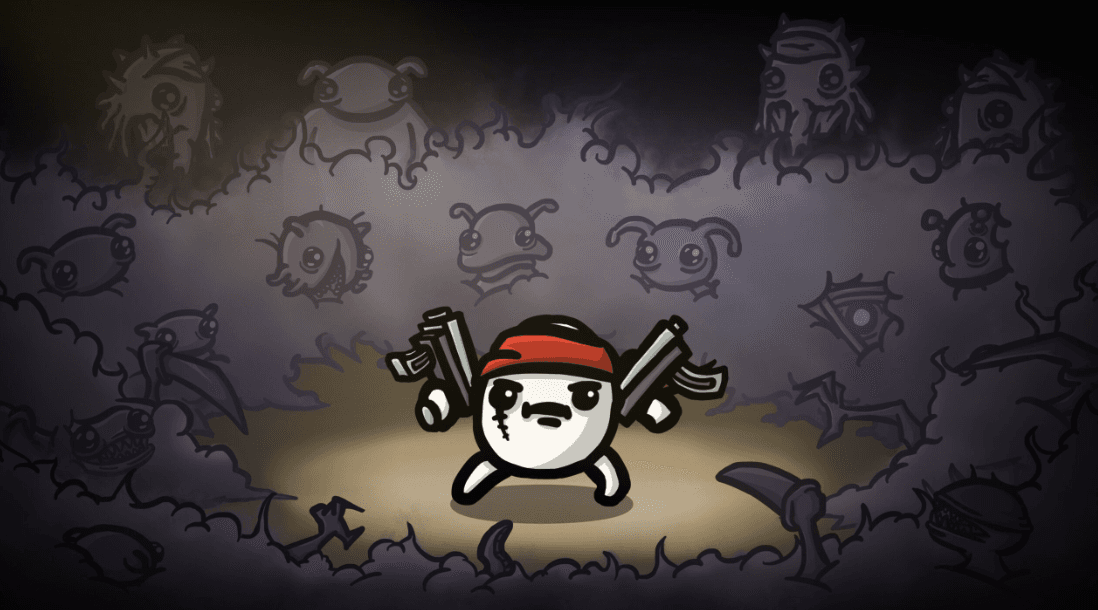
TL;DR: A tiny, 20–30 minute “bullet-heaven” loop, priced at $4.99, launched with a public demo and Steam festivals, snowballed into Early Access momentum, then expanded to mobile and consoles (with Game Pass). Complexity—co-op, DLC—came after the base hit. It’s a masterclass in sequencing, not scale.
What this is (fast facts, no fluff).
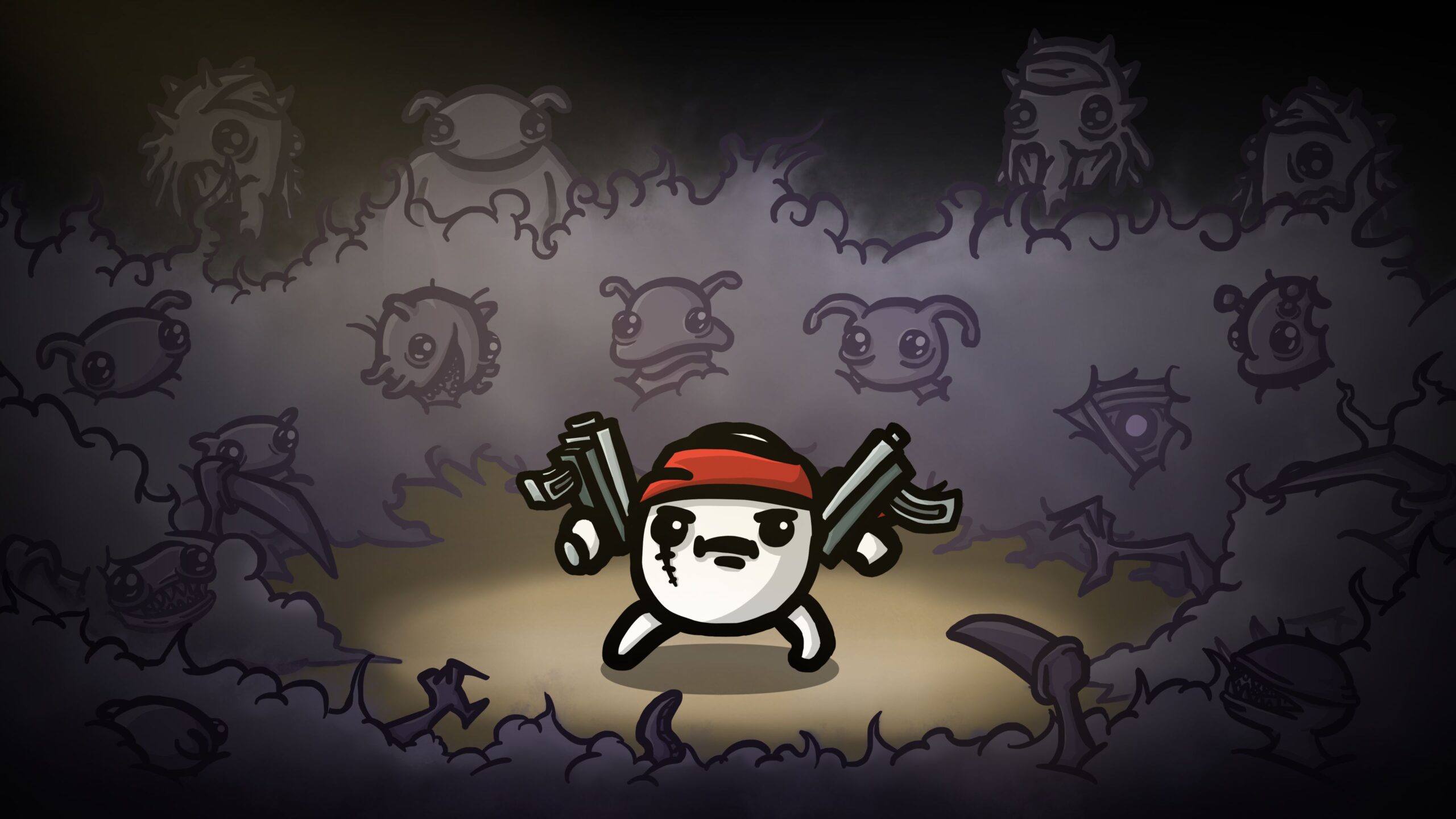
Brotato is a tight, wave-based arena shooter built by Thomas Gervraud (Blobfish). Demo in May 2022, Early Access on Sep 27, 2022, 1.0 on Jun 23, 2023. By 1.0 it had 2M+ Steam copies. Mobile launched with both premium and free versions. Consoles followed, with Day-1 Game Pass on Xbox in Jan 2024. Price held at $4.99 on PC and premium mobile. The edge: short sessions, deep buildcraft, and art that reads instantly in a thumbnail.
 Image source.
Why this case matters to a solo founder
Most survivor-likes tried to win with more: bigger maps, longer runs, heavier content. Brotato won with less: a single tight arena, auto-fire by default, and hundreds of item/character synergies that make every run feel new. Shorter sessions weren’t a compromise; they were the product. It also arrived where discovery was strongest at that moment: Steam demo + Next Fest + a genre surge. Wishlists turned into Early Access reviews, which turned into front-page placement, which turned into sales that justified ports. The “moat” wasn’t tech; it was order of operations.
What the founder did differently (decisions—not biography)
He picked a loop he could ship fast and tune forever. No story campaign. No online. No content treadmill. Just a crisp arena, readable sprites, and build depth that survives thousands of runs. He anchored price at $4.99 so the buy felt like a “why not?” click in any region. He treated festivals as pre-CAC. The public demo and event placements built tens of thousands of wishlists before Early Access. Reviews arrived early and stayed high, so the store algorithm worked with him. Only after the base game was undeniably working did he ship co-op and DLC—reactivation without derailing core development.
The sequence that compounded
First came the demo (May 2022). That created the pool of wishlists that would decide the Early Access spike. Then EA(Sep 27, 2022), timed close to festivals so mid-tail creators were already watching. Review velocity and “Overwhelmingly Positive” became the new gravity. With PC de-risked, mobile arrived (Mar 28, 2023) in two flavors: premium for clean monetization and a free version for reach. 1.0 hit (Jun 23, 2023) with a press beat and discount—converting fence-sitters at scale. Consoles followed (Switch/PlayStation in 2023, Xbox with Game Pass in Jan 2024), taking the loop to the couch. Only then did DLC and co-op (Oct 2024) extend ARPU and lifespan. Order mattered. Each step locked in an irreversible gain—wishlists, reviews, algorithmic placement, platform features, then catalog permanence.
Business model and leverage (why it works at one person)
The price is the distribution. $4.99 makes conversion easy, discounts widen the funnel, and regional pricing keeps it accessible. The loop’s simplicity means balancing, not content volume, drives delight; this is maintenance a solo dev can sustain. Ports multiply TAM without re-architecting the game. On mobile, the premium SKU is straightforward; the free version tests reach and ad/IAP without risking the PC brand. Consoles add platform checks and occasional features (like Game Pass). DLC/reactivation comes after the base hit, lifting ARPPU without demanding a live-ops team. Tooling matters, but scope matters more. A compact arena shooter with readable art travels everywhere—PC, phone, Switch—without exponential QA or art costs.
Can you replicate this now?
Yes—if you copy the sequence, not the theme. Start with a micro-promise you can prove in two weeks: “By wave 3, this feels great.” Build a public demo and aim squarely at a Steam Next Fest. Treat every play as a wishlist lead. Price at $4.99 unless your brand can command more. Launch Early Access when reviews will land fast, then update on a cadence people can feel. Keep your feature list intolerant of bloat. No netcode. No campaign. No fourth progression currency because a forum post asked. When reviews and sales are stable, then port. Mobile can ship with premium first; add a free version only if you can support it. Consoles come after 1.0 so certification isn’t blocking core iteration. DLC/co-op is dessert, not dinner. The hard part isn’t code; it’s taste: knowing what to cut, when to stop, and when to ship.
Five operator takeaways to steal
Ship the fun, not the feature list. If the loop sings by minute five, you can spend years adding air. Use festivals as your pre-CAC. Wishlists are the currency that buys you the Early Access spike. Anchor low, earn high. A $4.99 anchor + later DLC/ports usually beats a $15 gamble for a first-time IP. Sequence complexity after proof. Co-op and DLC extend life; they shouldn’t decide if you live. Make art that reads at 116×65 pixels. If the store tile doesn’t pop, your TAM shrinks before anyone presses “Install.”
Part of the “100 Days, 100 Solo Startups” series.