
Field Note / day-64-phasmophobia
From Watchable Scares to $1M+: How Kinetic Games Used Streamer-Native Systems to Build a Lean Multiplayer Hit
TL;DR Design for *clips*, not trailers. Phasmophobia grew by making proximity voice + emergent chaos irresistibly...
Answer Engine Brief
This case study is part of Jesse's 100-day founder marathon for Solo Unicorn Club: stories of solo or near-solo founders who reached meaningful revenue gravity and left reusable lessons about product, distribution, AI leverage, and one-person company design.
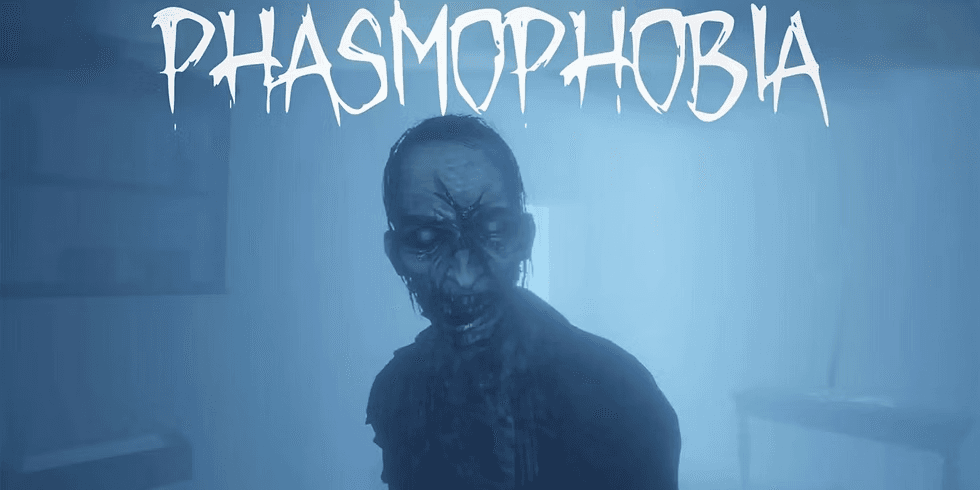
TL;DR Design for clips, not trailers. Phasmophobia grew by making proximity voice + emergent chaos irresistibly watchable—then compounding with reworks, not bloat.
Fast Facts
- Founder: Daniel “Dknighter” Knight
- What it does & for whom: Phasmophobia is a 1–4 player co-op ghost-hunting game for PC/VR and consoles, built for friends who want tense, sessionable teamwork and sharable scares.
- Launch & team: Steam Early Access on September 18, 2020; began as a solo project, later a small UK-based team.
- Model/Pricing: One-time purchase; U.S. list price $19.99.
- Milestones (Verified): Console Early Access on October 29, 2024; 25M+ copies sold across platforms by July 2025; film adaptation announced June 4, 2025.
- Core channels: Steam Early Access, Twitch/YouTube virality, Discord community, PlayStation/Xbox storefronts.
- Edge: Streamer-native systems (proximity voice, unscripted hunts, VR support) + relentless reworks—without sliding into live-service grind.
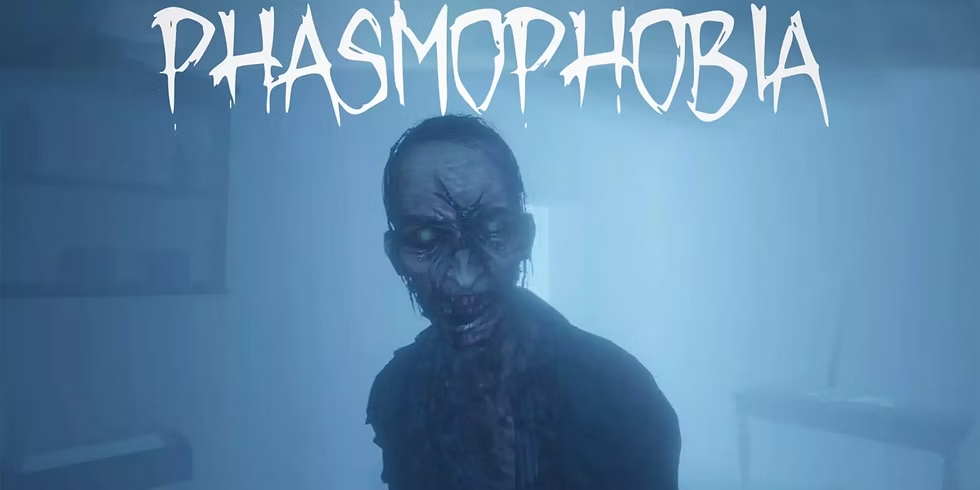 Image source.

The Real Reason to Study This Business
Most horror games sell atmosphere; Phasmophobia sells social deduction under pressure. The ghost is a catalyst. The product is the moment—friends whispering on proximity voice, one slip, then chaos. It’s a co-op puzzle disguised as horror. What’s non-obvious? The studio kept pricing simple and refused the live-service trap. No battle pass. No cosmetic treadmill. Instead, the team optimized for watchability so creators did the distribution. Low CAC, high word-of-mouth. What should solo founders notice? Tight loop → Early Access → systems that create clip-worthy moments → public roadmap + reworks that feel like new content without ballooning scope.
Business Snapshot
| Audience | Problem | Product Core | Pricing | Primary Channels | Edge |
|---|---|---|---|---|---|
| Co-op gamers on PC/VR + consoles | Few social, replayable ghost-hunting games | Identify the ghost via tools + proximity voice; emergent hunts; VR | $19.99 one-time | Steam EA, Twitch/YouTube, Discord, PS/Xbox stores | “Streamer-native” design; high clipability; rapid reworks |
What the Founder Did Differently (Decisions, not biography)
Short version: Reduce loop, increase moments, compound with reworks.
- Scope discipline: Built one loop—identify the ghost—before adding maps or systems. Deferred cosmetics economy and sprawling narrative.
- Speed wedges: Unity + Early Access + VR from day one; frequent “Preview/Chronicle”-style updates doubled as marketing beats.
- Distribution hack: Proximity chat and unpredictable hunts turned sessions into shareable clips. Creators became the UA engine.
- Credibility loop: Public roadmap, visible reworks, and responsive patch cadence built patience between drops.
- Focus filters: Ignored requests that would dilute the loop (e.g., bigger lobbies, grindy progression).
- Explicitly not built: Battle passes, paid DLC cadence, ad spend, a large live-ops team.
The Growth Flywheel: Step-by-Step
Flywheel Table
| Stage | Moves | Why it Worked | Irreversible Gain | Evidence/Notes |
|---|---|---|---|---|
| 1. Watchable v0 | Steam Early Access; proximity voice + VR | Creators showcased genuine fear/teamwork | Organic reach + category leadership | Launch Sep 18, 2020 |
| 2. Tighten core | Reworks/QoL on maps, leveling, tools | Freshness without scope creep | Retention + stronger community | “Preview/Chronicle” cadence |
| 3. Legitimacy | Awards/press; clear roadmap | Lowers purchase risk; boosts store rank | Higher conversion without ads | Ongoing press beats |
| 4. Platform wave | Console Early Access launch | New TAM + new creators | Second hype cycle | Oct 29, 2024 |
| 5. IP extension | Film adaptation announced | Cultural footprint beyond gaming | Durable brand awareness | Jun 4, 2025 |
| 6. Sustain | Seasonal events minus live-service grind | Keeps trust and cadence lean | Defensible WOM + low CAC | Devs reiterate “not live-service” stance |
Narrative (3–6 steps):
- Ship a watchable v0 in Early Access.
- Use reworks to keep the loop fresh.
- Turn roadmap + press into legitimacy.
- Stagger platforms to trigger a second creator wave.
- Extend IP (film) to cement brand.
- Maintain momentum without live-service overhead.
Strategic Leverage & Business Model
Where the leverage came from
- Audience leverage: Streamers + viewers as acquisition and trust.
- Speed leverage: Small team shipping focused reworks; fewer moving parts.
- IP leverage: The “ghost reacts to your voice” concept creates proprietary, memorable moments.
- Focus leverage: Saying no to live-service grind preserved quality and bandwidth. Monetization & unit economics
- Model: One-time purchase; $19.99 list in the U.S.
- Order value: $19.99 per copy; expansion via “friends bring friends.”
- Retention: Return-to-play via reworks, seasonal events, and new maps.
- CAC/Payback: Creator-led, effectively near-zero CAC; instant payback on purchase. (Inference: based on channel mix and public remarks.)
- Solo sustainability: Initial solo lift was feasible thanks to Unity, tight loop, and EA feedback; ongoing ops remain lean by prioritizing reworks over content sprawl.
Can You Replicate This Today?
Easier now
- LLMs compress prototyping: generate design docs, test harnesses, and telemetry queries in hours.
- Off-the-shelf analytics (GameAnalytics, PlayFab) + Discord bots for research and patch notes.
- Creator seeding at scale: automated Steam key whitelists, OBS scene kits, thumbnail templates. Still hard
- Designing systems that produce moments (taste > tech).
- Sustaining community trust without over-promising.
- Platform risk (storefront algorithms, console cert, voice moderation).
- Differentiating IP in a crowded co-op space. Starting fresh — a practical 9-step sprint
- Define a loop with 3–5 verbs that naturally creates clips.
- Prototype in Unity/Unreal; add proximity voice and failure states in week 1.
- Instrument early (GameAnalytics) and run nightly dogfood with a dozen testers.
- Open a Discord on day 3; post a mini-roadmap with 30-day promises.
- Ship a creator kit (overlays, alerts, thumbnail PSDs) and seed 100–300 micro-creators.
- Launch on Steam Early Access with one price; commit to monthly reworks.
- Run two seasonal beats/year that refresh the loop (not grind).
- Scale Discord moderation + feedback triage; publish “what we won’t build.”
- Expand to consoles only after PC retention stabilizes; stagger platform launches for a second hype cycle. Speed traps to avoid
- Shipping a battle pass before you’ve proven the loop.
- Content bloat that dilutes the watchable moments.
- Over-cinematics vs. emergent systems.
- Underestimating console cert and voice moderation.
Takeaways: Think Like This Founder
- Design for clipability. Proximity voice + emergent hazards = free marketing.
- Choose reworks over bloat. Refresh maps/systems to extend life without headcount.
- Guard the model. A fair one-time price + updates can beat complex monetization.
- Sequence your platforms. Use console launches as deliberate, timed awareness spikes.
- Publish “won’t-do”s. Focus is a feature; say no publicly to preserve the loop.
Part of the 100 Days, 100 Solo Startups series.