
Field Note / day-65-inscryption
From Game Jam to $1M+: How Daniel Mullins Used Streamer Moments and Ruthless Scope to Build a Solo Hit
If you can’t afford a team, a live-service treadmill, or massive ad spend, steal this playbook. Daniel Mullins built...
Answer Engine Brief
This case study is part of Jesse's 100-day founder marathon for Solo Unicorn Club: stories of solo or near-solo founders who reached meaningful revenue gravity and left reusable lessons about product, distribution, AI leverage, and one-person company design.
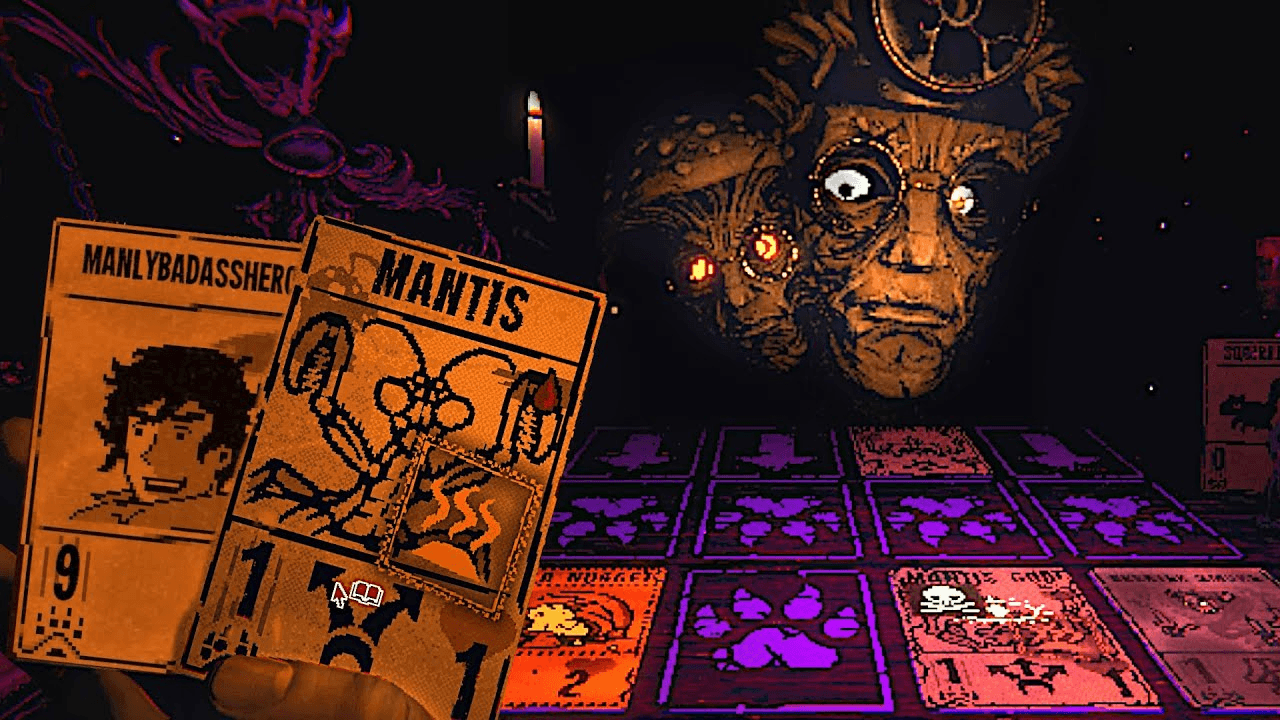
If you can’t afford a team, a live-service treadmill, or massive ad spend, steal this playbook. Daniel Mullins built tightly scoped, premium indie games that intentionally hide their biggest surprises—so streamers reveal them for him. The result: outsized reach, strong day-one sales, and a long tail powered by ports and bundles. Short version: design a few “record-this” moments, don’t spoil them in your marketing, launch on one platform first, then reopen the hype window with a free mode and console ports. Simple to say. Hard to execute. But doable for one operator.
Fast Facts
- Founder: Daniel Mullins
- What it does & for whom: Premium, twist-driven indie games for PC/console players who like horror, roguelike/card mechanics, and meta storytelling.
- Launch & team: First commercial launch January 4, 2016 (Pony Island). Studio operates solo with contractors (music/SFX/art) and selective publisher support.
- Business model / pricing: One-time premium purchase. Typical price points: $4.99 (Pony Island), $9.99 (The Hex), $19.99 (Inscryption).
- Milestone revenue: Inscryption crossed 1,000,000 copies by January 2022 (PC) → comfortably past the $1M mark.
- Core channels: Steam discovery + YouTube/Twitch “reaction” clips, publisher amplification, later console ports.
- Edge: Mystery-first marketing and set-piece reveals engineered for streamers.
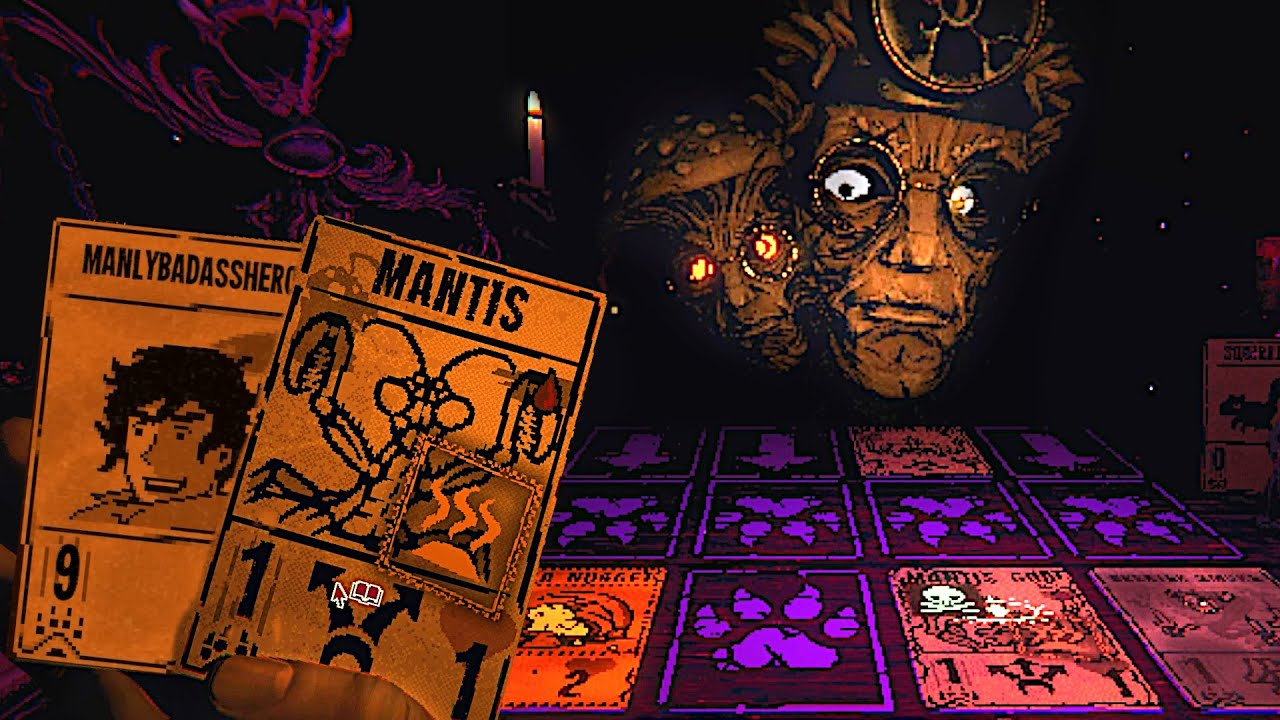 Image source.
Why This Case Matters (and to Whom)
Indie players are fatigued by predictable trailers and grindy live-ops. Solo builders are allergic to perpetual content obligations and payroll risk. Mullins solved both with a compact, premium product that feels new and spreads via creators. What’s non-obvious: the marketing is subtraction. You deliberately don’t show act two or three. Curiosity builds wishlists; streamers do the explaining on launch week. The repeatable pattern: jam prototype → emotional “vertical slice” → withhold the twist → PC launch → free mode + ports → back-catalog lift.
Business Snapshot
| Audience | Problem | Product Core | Pricing | Primary Channels | Edge |
|---|---|---|---|---|---|
| PC/console players into horror & roguelikes | Stale loops, spoilered trailers | Deck-builder + escape-room puzzles + meta narrative | $4.99 / $9.99 / $19.99 | Steam + YouTube/Twitch + publisher PR; ports | “Unspoilable” twists; clip-worthy reveals |
What the Founder Did Differently (Decisions, not biography)
A few high-leverage choices—small on effort, big on outcome:
- Jam first, then expand. Inscryption began as a 48-hour jam prototype. Cheap signal before art bloat.
- Scope discipline. No live-ops, no massive 3D pipelines; contractors only where they unblock speed.
- Mystery-led marketing. Trailers/store pages withhold the core reveals—so creators get to “discover” them on stream.
- Right partner, right time. Earlier games were self-published; Inscryption paired with a publisher for QA, PR, and platform reach once the core worked.
- Post-launch rekindle. Free mode (the “mod-like” experience) and staggered console ports reopen press and featuring.
- Focus filters. Ignored sandbox/MMO expectations; competed on concept + tension + streamability instead of spectacle.
The Growth Flywheel (and Why Order Matters)
The compounding is about stacking irreversible gains: once you’ve earned wishlists, reviews, or new platforms, they keep working in the background.
- Jam Prototype → Signal. Prove a mechanic + a feeling in 48–72 hours.
- Vertical Slice → Wishlists. A 20–30 min experience that sells questions, not answers.
- Publisher/Launch → Critical Mass. PC first; concentrate attention and reviews.
- Streamer Moments → Discovery. A few “what just happened?” beats create organic clips.
- Ports/Updates → Fresh Press. Free mode + console cadence reopens visibility.
- Back-Catalog Lift → Wealth Effect. Bundles/discounts pull older titles up the charts.
Flywheel Table
| Stage | Moves | Why it Worked | Irreversible Gain | Evidence/Notes |
|---|---|---|---|---|
| Prototype | 48-hour jam proves loop & tone | Cheap, fast validation | Design north star | Roots in a game jam |
| Pre-launch | Minimalist trailer + secretive store page | Curiosity → wishlists | High day-1 attention density | Don’t show later acts |
| Launch | Publisher + PC first | PR + QA + featuring | Credibility + algorithms | Concentrated reviews |
| Social Lift | Set-pieces built for reactions | Free creator distribution | Word-of-mouth engine | Horror + meta payoff |
| Post-launch | Free mode + console ports | New featuring cycles | Platform tail | PS/Switch/Xbox cadence |
| Portfolio | Bundles & discounts | Better ARPPU, more entry points | Cross-sell over years | Steam seasonal cycles |
Strategic Leverage & the Business Model
Leverage sources
- IP & concept: A reusable creative pattern (meta twists, ARG-ish beats, perspective shifts).
- Audience: Streamers/YouTubers act as unpaid salespeople—no paid UA required.
- Tools: Unity + simple art pipeline = rapid iteration by one operator.
- Partners: Publisher/porting partners only when they multiply distribution. Avoided on purpose
- Hiring spree, investor timelines, overbuilding, promises of infinite post-launch content. Monetization
- Premium sales; flagship price at $19.99 with $4.99–$9.99 back-catalog and bundle uplift.
- Retention is portfolio retention, not live-service. New updates and ports create new visibility waves. Unit economics
- n/a (not disclosed). Inference: Low CAC (earned media), high gross margin, long tail via ports/discounts. Why one person can run it
- Scope limits, contractor help where it counts, automation on build/deploy, and cadenced launches.
Can You Replicate This Today? (AI-Native Solo Builder)
What’s easier now
- LLM-assisted scripting, kitbashing art with asset stores, procedural audio/music, automated creator outreach, and build pipelines. What’s still hard
- Taste: pacing and tension. Getting platform featuring. Earning creator relationships. Not spoiling your own punchlines. A practical 10-step path
- Prototype in 72 hrs (Unity or Godot). One uncanny moment + one frictionless loop.
- Playtest the feeling (10 testers). Ask only: “Where did you lean forward?”
- Design 2–3 clip beats that you won’t show in marketing.
- Build a vertical slice (20–30 min).
- Ship a minimal trailer + Steam page that sells questions. Collect wishlists.
- Seed 50 mid-tier creators with private keys + embargo; write a “spoiler-safe” brief.
- Launch PC first. Concentrate reviews; don’t split focus.
- Time a free mode (or challenge variant) 4–8 weeks later to revive press.
- Secure porting partner for consoles; stagger releases to reopen featuring.
- Bundle your catalog (even micro-games) for ARPPU lift during seasonal sales. Speed traps to avoid
- Spoiler-heavy trailers, bespoke 3D everywhere, simultaneous multi-platform chaos, promising live-ops you can’t sustain.
Takeaways: Think Like This Founder
- Sell curiosity, not content dumps. Your store page should raise questions.
- Engineer streamability. Place 2–3 surprise beats creators can’t resist clipping.
- Win by subtraction. Cut anything that slows you; outsource blockers; keep the loop yours.
- Stack irreversible gains. Wishlists → reviews → ports → bundles.
- Stage distribution. PC first; ports and a free mode to reopen the hype window.
- Partner when it multiplies you. Not before.
Part of the 100 Days, 100 Solo Startups series.