
Field Note / day-69-dust
From Hand-Drawn Art to $1M+: How Dean Dodrill Used Platform Leverage to Turn *Dust: An Elysian Tail* into a Solo Hit
- Founder: Dean Dodrill - What it does & for whom: Hand-animated, Metroidvania-style action RPG for players who value...
Answer Engine Brief
This case study is part of Jesse's 100-day founder marathon for Solo Unicorn Club: stories of solo or near-solo founders who reached meaningful revenue gravity and left reusable lessons about product, distribution, AI leverage, and one-person company design.
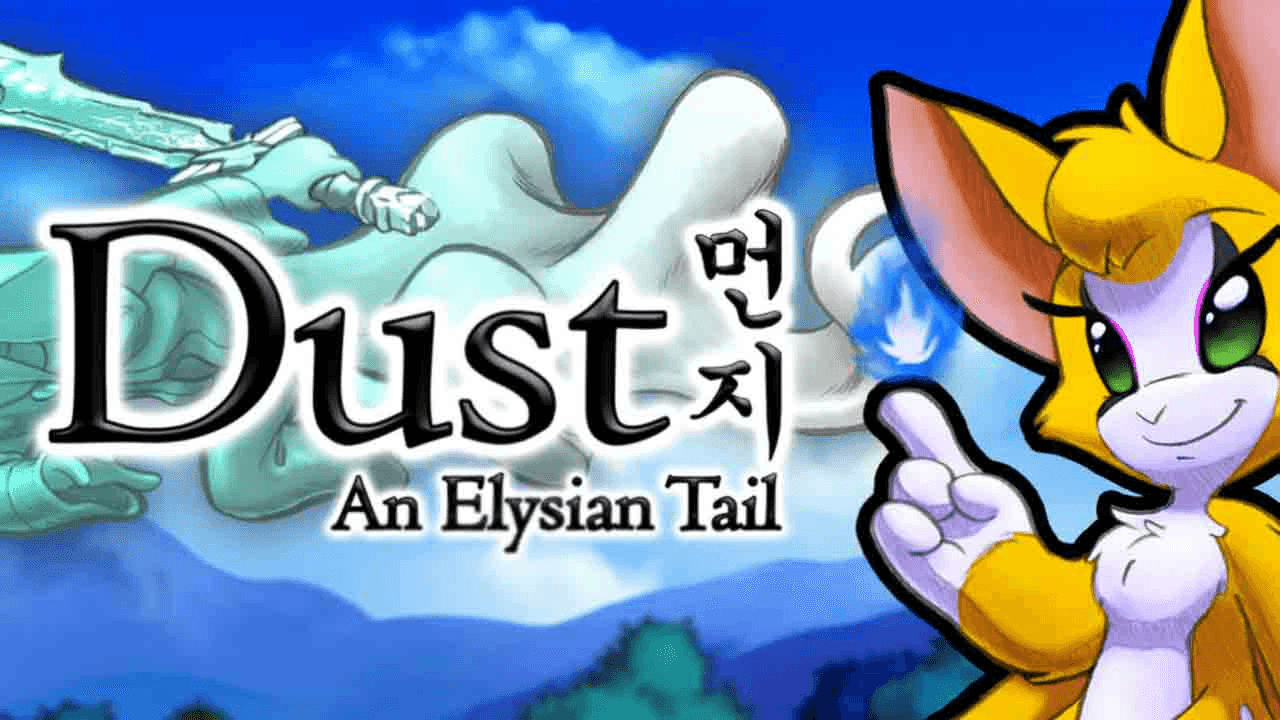
Fast Facts
- Founder: Dean Dodrill
- What it does & for whom: Hand-animated, Metroidvania-style action RPG for players who value striking art, responsive combat, and classic exploration.
- Launch & team: Xbox Live Arcade on August 15, 2012; built largely solo (art, code, design). Outsourced/contracted music & voice acting.
- Business model/pricing: Premium one-time purchase; 1200 Microsoft Points ($15) at XBLA launch; later sold on PC/PS4/iOS/Switch and in bundles.
- Milestone revenue proxy: Verified: 1M+ copies sold across platforms by March 2014. Inference: Even at a conservative $1 blended net per copy, gross clears $1M+.
- Core channels: Microsoft’s Summer of Arcade featuring, Steam/GOG, Humble Indie Bundle 11, later console/mobile ports.
- Edge: A visually singular, fully hand-drawn look; early validation + distribution from Dream.Build.Play 2009 grand prize and XBLA publishing support; tight solo scope.
 Image source.

The Real Reason to Study This Business
Dust solves a familiar indie dilemma: how can one person compete with studios? The answer here is focus-as-leverage. Dodrill concentrated on one killer differentiator—world-class 2D animation—then constrained everything else to ship. This case is timely for solo builders because platform distribution has fragmented. Dust shows how to sequence platforms (feature-driven launch → PC scale → bundles/ports) while keeping production scope rigid enough for one operator to survive. The repeatable pattern: Win a credible gate (contest/feature), then compound with ports and bundles while keeping your art or UX unmistakable.
Business Snapshot
| Audience | Problem | Product Core | Pricing | Primary Channels | Edge |
|---|---|---|---|---|---|
| Metroidvania/action-RPG fans | Many indies look samey; weak feel/juice | Hand-drawn combat-heavy exploration with tight controls | $15 at XBLA launch; premium on later platforms; bundle promos | XBLA Summer of Arcade → Steam/GOG → Humble Bundle → PS4/iOS/Switch ports | Elite hand-animation from a career animator; Microsoft feature + contest validation |
What the Founder Did Differently
Short version: bet the farm on art quality, strip everything else.
- Scope discipline: Shipped a tight single-player loop. No multiplayer, no live-ops, no sprawling systems. That avoided team growth and server ops.
- Speed wedges: Reused a consistent animation/FX style and XNA tooling; leaned on proven Metroidvania structures instead of inventing new genres.
- Credibility loop: Won Dream.Build.Play 2009 (grand prize + XBLA contract). That created publisher support and a Summer of Arcade slot—free distribution and trust.
- Selective outsourcing: Contracted music/voice while keeping all art, design, and core code in-house. That preserved vision and schedule control.
- Focus filters: Built for controller-first console players who prize “feel.” Ignored PC modding/tooling at launch; came later once the base was proven.
 Dean Dodrill, developer of Dust, image source.

The Growth Flywheel: Step-by-Step
Narrative (sequence matters):
- Contest win → publisher contract. Dream.Build.Play validates quality and unlocks XBLA.
- Featured launch. Summer of Arcade placement concentrates day-one demand.
- PC release. Steam/GOG expand reach and long-tail visibility.
- Bundle moment. Humble Indie Bundle massively increases paid installs and word-of-mouth.
- Ports. PS4/iOS/Switch refresh discovery cycles and extend revenue arcs.
Flywheel Table
| Stage | Moves | Why it Worked | Irreversible Gain | Evidence/Notes |
|---|---|---|---|---|
| 1. Gate | Dream.Build.Play win, $40k, XBLA contract | External proof + access to a curated storefront | Publisher support + feature eligibility | Microsoft/XNA program |
| 2. Feature | Summer of Arcade 2012 slot | Platform marketing concentrates attention | Large initial player base + reviews | Dated price/lineup confirms |
| 3. Scale | Steam/GOG PC launch | Bigger TAM; algorithmic visibility | Reviews, wishlists, mods community attention | Post-launch ports in 2013 |
| 4. Bundle | Humble Indie Bundle 11 | Price discrimination + massive reach | Hundreds of thousands of new payers | Preceded 1M+ copies milestone |
| 5. Ports | PS4/iOS/Switch | New surfaces, regional stores, “new to platform” PR | Multi-year tail + renewed press | 2014–2018 ports cadence |
Strategic Leverage & Business Model
Leverage sources:
- Art/IP: Distinct look that screenshots well; converts store impressions.
- Platform distribution: XBLA feature + bundles = paid reach without a marketing team.
- Solo scope: One decision-maker; no managerial overhead; design purity. Deliberately avoided: Hiring, multiplayer, live-service complexity, fundraising. Monetization: Premium one-time purchase; periodic deep discounts and bundles; revenue spikes on port launches. Typical order value anchored to platform MSRP (e.g., $15 at XBLA). Retention via content length and completion satisfaction rather than DLC cadence. Unit economics (n/a exact): CAC effectively near zero due to platform featuring and bundle distribution. Inference: Payback immediate at feature/bundle moments; LTV driven by multi-platform ownership and late-cycle ports. Solo sustainability: Workflows built on reusable animation pipeline; contracted audio/VO; distribution/ops handled by platform partners.
Can You Replicate This Today? (AI-Native Solo Playbook)
Easier now
- Asset scale: Use modern engines (Unity/Godot) + AI-assisted in-betweening/upscales to reach “signature” visuals faster.
- Publishing: More storefronts, self-serve console programs, influencer/creator discoverability.
- Tooling: LLMs accelerate prototype AI, state machines, scripting, localization drafts. Still hard
- Taste & craft: “Looks different” must also play great.
- Platform visibility: Feature slots are scarce; bundles are crowded.
- IP identity: Screenshots must be unmistakable in 0.5 seconds. Starting fresh (sequence)
- Positioning: Define one screenshot-proof edge (art style or mechanic).
- V0 in 6 weeks: Graybox a 20-minute loop (Godot/Unity).
- Feel pass: Iterate only on combat/movement (Frame-data, hitstop).
- Gate: Apply to festivals/contests (Day of the Devs, ID@Xbox, Nintendo Indie World).
- Wishlist engine: Ship a free demo on Steam; weekly playtest updates.
- Proof beats press: Target one credible feature (Next Fest) rather than broad PR.
- Price & page: $14.99–$19.99, two hero GIFs, one short trailer; localize store copy with LLMs + human pass.
- Bundle/keys: Negotiate a single reputable bundle post-launch to widen reach.
- Ports for tail: Console after PC PMF; outsource porting if needed.
- Ops minimalism: No live-ops unless you pivot to DLC; keep scope single-player. Speed traps to avoid
- Shipping without a demo; chasing too many channels; adding multiplayer; delaying launch for content bloat; over-discounting before reviews accumulate.
Takeaways: Think Like This Founder
- Pick one edge and over-invest. Let it carry screenshots, trailers, and word-of-mouth.
- Earn a gate, then compound. A single credible feature can replace a marketing budget.
- Outsource only the non-core. Keep the vision bottlenecked to you.
- Sequence platforms. Feature → PC scale → bundle → ports; don’t parallelize prematurely.
- Protect scope with rules. Every feature must enhance “feel” or flow—nothing else ships.
Part of the 100 Days, 100 Solo Startups series.