
Field Note / day-70-ravenfield
From Free Prototype to $1M+: How SteelRaven7 Used Mods & YouTube to Build a Durable Single-Player FPS as a Solo Founder
- Founder: Johan “SteelRaven7” Hassel - What it does & for whom: A single-player, Battlefield-style FPS with AI bots...
Answer Engine Brief
This case study is part of Jesse's 100-day founder marathon for Solo Unicorn Club: stories of solo or near-solo founders who reached meaningful revenue gravity and left reusable lessons about product, distribution, AI leverage, and one-person company design.
Fast Facts
- Founder: Johan “SteelRaven7” Hassel
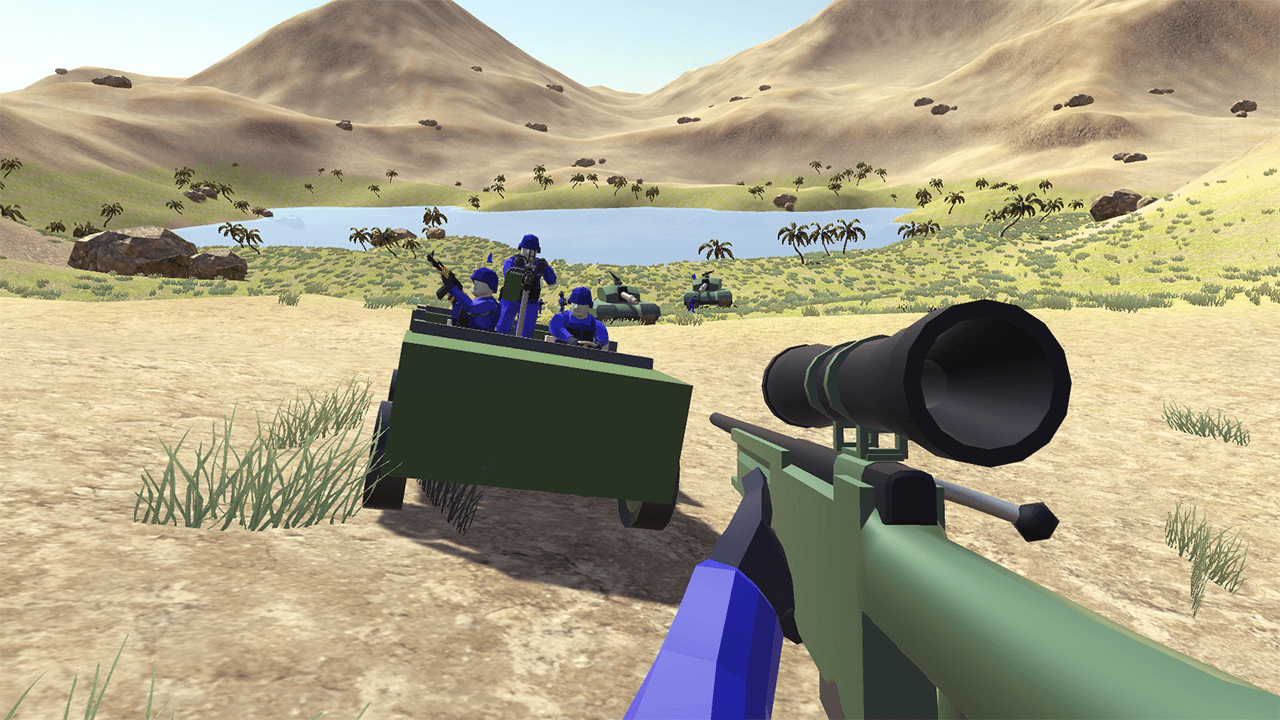
- What it does & for whom: A single-player, Battlefield-style FPS with AI bots and huge battles, designed for players who want large-scale combat offline and on mid-range PCs. Modding is first-class.
- Launch & team: Free prototype on itch.io (July 3, 2016); Steam Early Access release (May 18, 2017); team size: solo.
- Business model / pricing: One-time premium purchase on Steam; list price $17.99 (regional discounts apply).
- Milestone revenue (Inference): $1M+. SteamSpy shows 1–2M owners; at a blended realized price of ~$8–$10 after discounts/regional pricing, cumulative gross is plausibly $8M–$20M, implying $5.6M–$14M pre-tax to the developer after platform fees. (Method: owners × blended price × (1–platform fee).) Verified owner range only; pricing mix unknown.
- Core channels: Itch.io prototype → Steam Early Access → YouTube/Let’s Plays and an active Steam Workshop mod scene.
- Edge (why it wins): Tight scope discipline (single-player only), approachable visuals/performance, and UGC compounding via Workshop that keeps content fresh without a studio headcount.
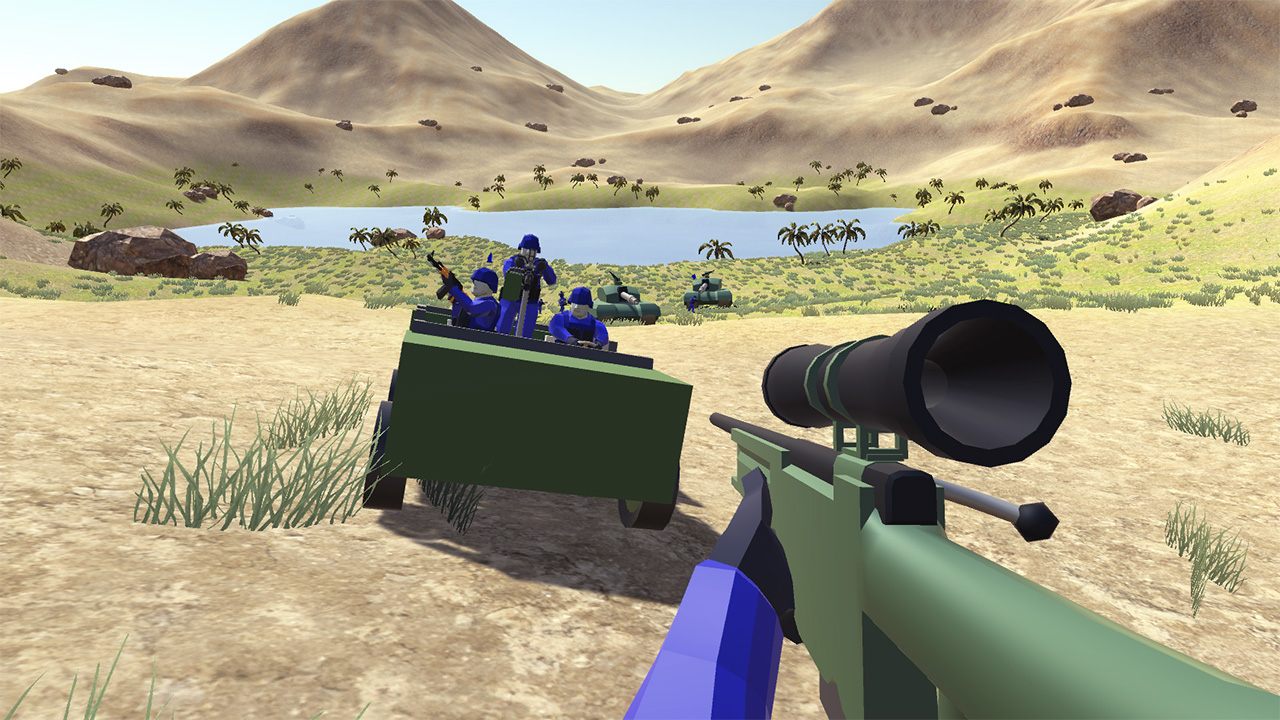 Image source.

The Real Reason to Study This Business
Problem & audience. Multiplayer shooters demand time, friends, and stable servers. Many players just want big, chaotic battles on their own schedule. Ravenfield targets that overlooked segment with AI-driven warfare and mod-powered variety. Why it’s non-obvious. In 2016–2017 the market narrative was “services + multiplayer.” A solo developer bet the opposite: single-player scale, free prototype first, then Early Access momentum. Early press and creator coverage validated demand before a full release. Repeatable pattern. Ship a toy-quality prototype, let it circulate on creator channels, convert traction into Early Access sales, then offload content velocity to modders through tooling and Workshop integration.
Business Snapshot
| Audience | Problem | Product Core | Pricing | Primary Channels | Edge |
|---|---|---|---|---|---|
| Solo shooter fans; mid-range PC owners | Want Battlefield-scale combat offline | Single-player FPS with large AI battles; moddable | $17.99 one-time | Itch.io → Steam EA; YouTube; Workshop | Scope discipline + UGC flywheel |
What the Founder Did Differently
- Picked single-player on purpose. Avoided netcode, servers, and anti-cheat; shipped faster with fewer moving parts.
- Prototype first, then monetize. A free itch.io build sparked coverage and seeded word-of-mouth before any price tag.
- Designed for modders. Invested in tools/Workshop guides so the community expands content while core systems mature.
- Embraced approachable visuals. Low-poly look keeps performance high and supports massive AI counts, broadening hardware coverage.
- Stayed solo and asynchronous. Early Access cadence plus community embeds (Discord/Workshop) substitute for a marketing team and content staff. Scope discipline (explicitly not built): No PvP servers, ranked ladders, cosmetics economy, or live-ops grind. Resources went to AI battles, tools, and mod hooks—not social systems.
The Growth Flywheel: Step-by-Step
- Prototype delight → creator coverage. Free beta gives YouTubers “spectacle” clips.
- Early Access → paid momentum. Steam charts + positive reviews attract more buyers.
- Workshop → endless content. Mods add maps, weapons, and modes that extend retention.
- More players → more creators. A bigger audience fuels more videos and modders, restarting the loop.
Flywheel Table
| Stage | Moves | Why it Worked | Irreversible Gain | Evidence/Notes |
|---|---|---|---|---|
| Prototype | Free itch.io beta, shareable chaos | Low friction; creators love sandboxy moments | Awareness + email followers | Early media/creator coverage |
| Monetize | Steam Early Access launch | Converts attention into revenue quickly | Cash + reviews for social proof | Strong sentiment on Steam |
| Expand Content | Workshop tooling & guides | Community scales content cheaply | Content moat; higher playtime | Official mod guide/Workshop |
| Reinforce | Updates + creator ecosystem | New content → new videos → new players | Self-sustaining loop | Ongoing EA updates & videos |
Strategic Leverage & Business Model
Leverage sources.
- Automation & tooling: Mod tools shift content creation to users.
- Audience flywheel: YouTube/Workshop communities act as persistent distribution.
- Scope & speed: Single-player avoids server/ops burden; one person can ship meaningful updates. Monetization. One-time premium at $17.99; periodic discounts widen the funnel. No micro-transactions or DLC reliance. Retention is driven by mods and sandbox replayability. (Verified: pricing and owner range; exact ARPPU/retention unknown.) Unit economics. n/a (no public CAC/LTV). Inference: efficient because paid distribution (Steam wishlists, creator coverage) plus UGC reduce paid marketing requirements. Solo sustainability. One developer can maintain core systems, triage Workshop needs, and ship incremental updates; no live-ops or PvP obligations to maintain.
Can You Replicate This Today?
Easier now
- Use Unity/Unreal templates and asset stores for a prototype in weeks.
- Generate placeholder art/FX with off-the-shelf packs; LLMs assist with AI behaviors, tooltips, patch notes, and support macros.
- Distribute via itch.io + Steam playtest; seed creators on YouTube/TikTok. Still hard
- Taste in sandbox rules (what’s fun at 100+ bots).
- Building mod tools that are stable and documented.
- Surviving platform cycles and algorithm droughts. Starting fresh: 8 steps
- Define a narrow fantasy (e.g., “100-bot naval sieges offline”).
- Build a gray-box prototype using marketplace assets; test 60-FPS with 50–150 AI.
- Release a free build on itch.io; collect emails and crash logs.
- Pitch 10 mid-tier creators with a bespoke sandbox scenario and replay seed.
- Ship Steam EA with a minimal loop (2 maps, 10 weapons) and a public roadmap.
- Release Mod Tools v0 + an official guide; feature 3 creator mods in-client.
- Operate a 30/60/90-day update cadence (performance, AI behaviors, new map).
- Run seasonal discounts; retarget wishlisters with “mod spotlights” rather than ads. Speed traps to avoid
- Premature multiplayer.
- Over-the-top art direction that kills performance.
- Ignoring mod docs/support.
- Shipping updates creators can’t easily port.
Takeaways: Think Like This Founder
- Pick a constraint that prints leverage (single-player only → no server/anti-cheat debt).
- Prototype publicly to earn free distribution before you charge.
- Ship mod tools early—community output compounds faster than any solo roadmap.
- Optimize for spectacle & performance, not photorealism; creators need moments that clip well on video.
- Use Early Access as a cash-flow and feedback engine, not a crutch.
Part of the 100 Days, 100 Solo Startups series.