
Field Note / day-26-bannerbear
Solving Boring Problems, Earning Big: The Bannerbear Strategy From Idea to $1M
Bannerbear is an API that auto-generates images and videos for marketing teams, developers, and agencies. Users create...
Answer Engine Brief
This case study is part of Jesse's 100-day founder marathon for Solo Unicorn Club: stories of solo or near-solo founders who reached meaningful revenue gravity and left reusable lessons about product, distribution, AI leverage, and one-person company design.
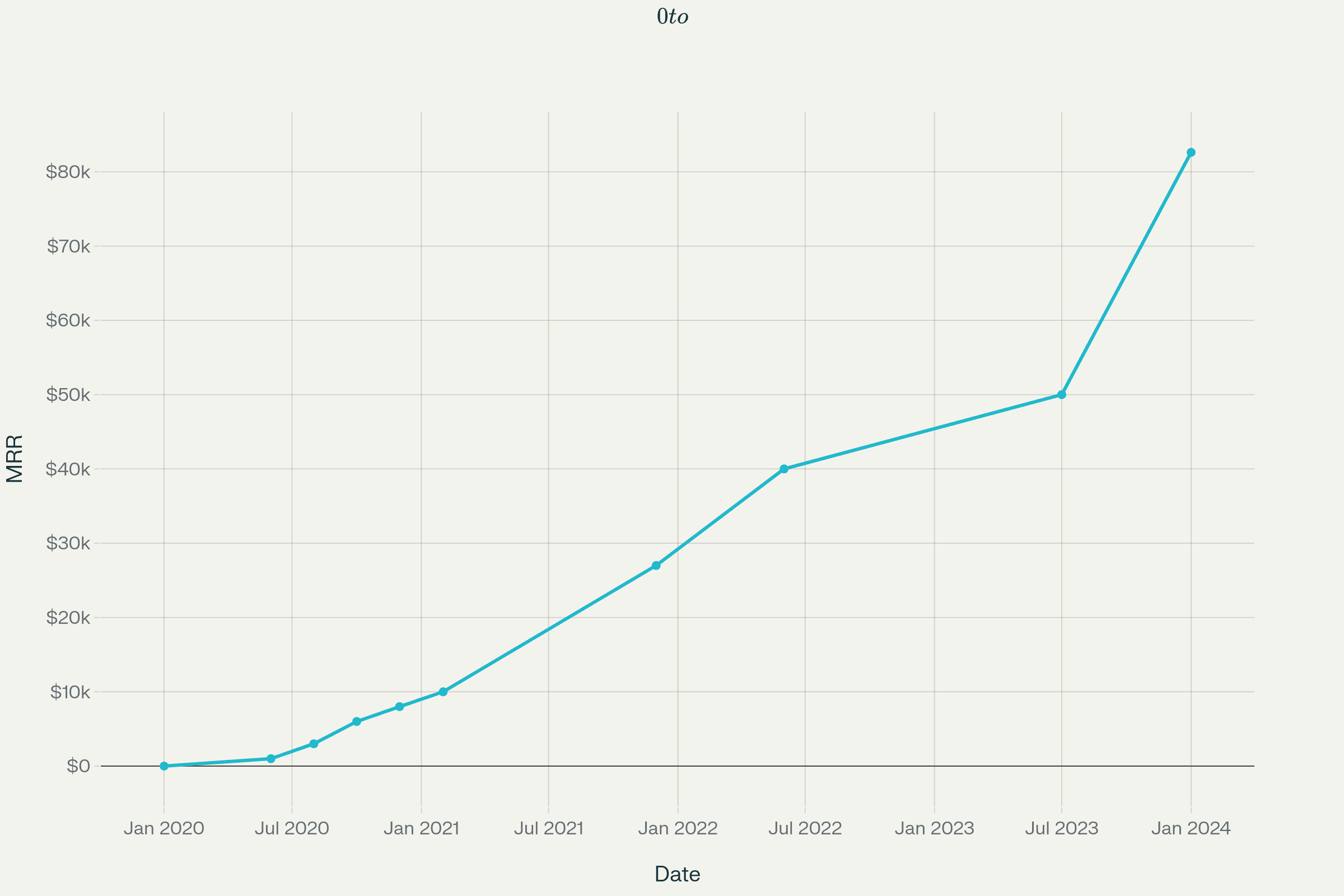
Bannerbear is an API that auto-generates images and videos for marketing teams, developers, and agencies. Users create templates in a drag-and-drop editor, then push data through the API to generate thousands of visual variations automatically. It serves everyone from solo marketers automating social media posts to enterprise teams creating personalized e-commerce banners at scale. What makes this case study non-obvious is how Yongfook solved a "simple but annoying problem" rather than chasing complex, technical challenges. Most solo founders gravitate toward sophisticated problems that seem more impressive. Yongfook discovered that boring, repetitive pain points—like manually creating hundreds of banner variations—often have bigger markets and higher willingness to pay than flashy technical problems. This pattern is especially relevant for AI-native builders today. While everyone chases the next breakthrough AI application, the biggest opportunities often lie in automating mundane, frequent tasks that businesses encounter daily. Bannerbear's journey from $0 to nearly $1M ARR in four years proves that consistent execution on unglamorous problems can build sustainable, profitable businesses without external funding.
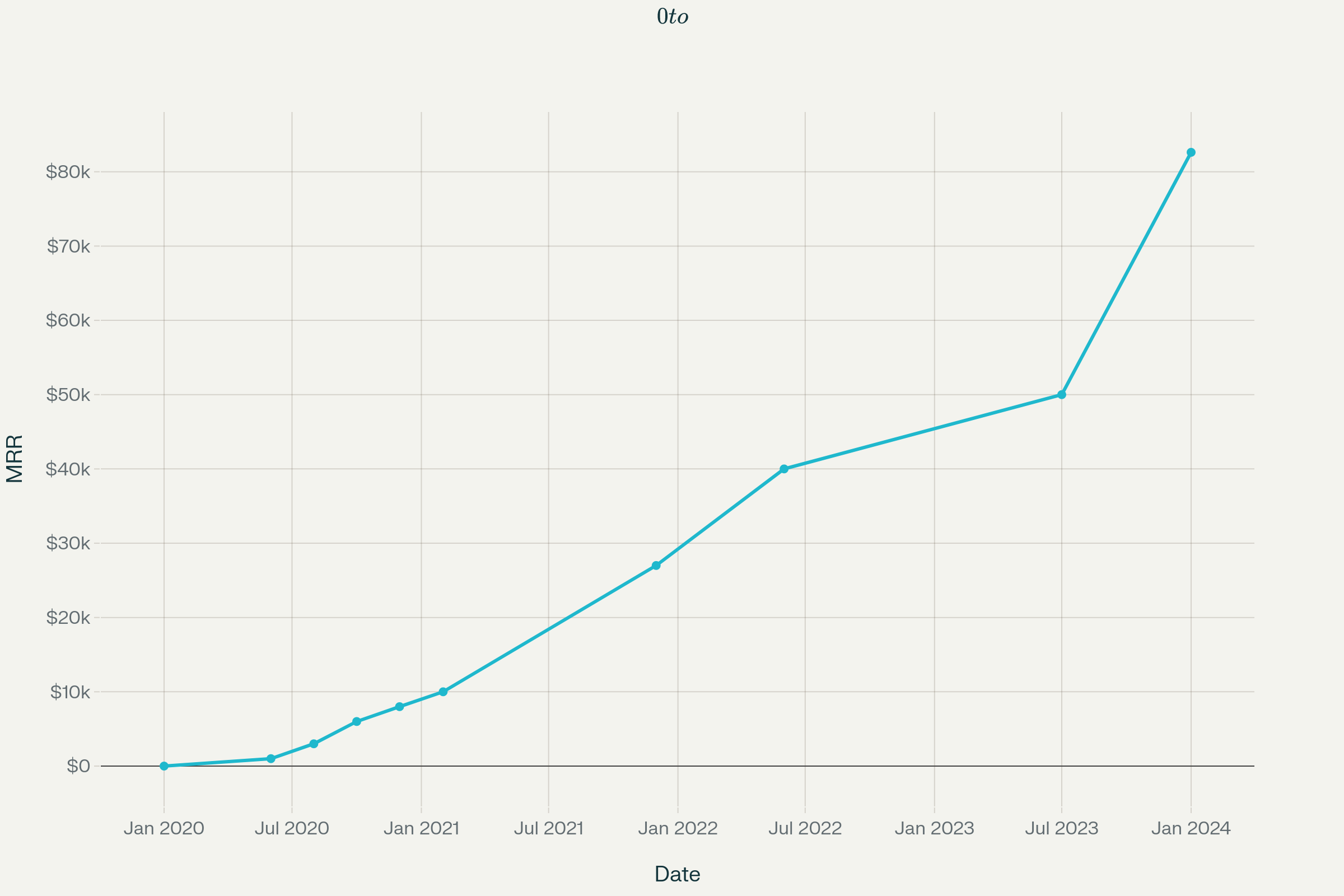 Bannerbear's bootstrapped growth from $0 to nearly $1M ARR over 4+ years
Founder Journey: From Failure to Profitable
John, the founder of Bannerbear.com, spent three years growing his solo SaaS project from zero to $36,000 in Monthly Recurring Revenue (MRR). His journey is a case study in persistence, product-market fit, and disciplined execution. Bootstrapping a SaaS Product to $36k MRR In the beginning, John took on the ambitious challenge of launching 12 startups in 12 months. None of them became hits, but the experience taught him the most valuable solo founder lesson: show up, build consistently, and ship often. The compounding effect of continuous small launches gave him clarity on what problems people actually needed solved. Bannerbear was born out of this insight. Instead of chasing a new market, John returned to a familiar domain—automated image generation—where he had personal interest and technical experience. He launched an API-first tool to generate social media and marketing images dynamically, with a drag-and-drop template editor powering the backend. Early growth was slow. He underpriced the product, a mistake many first-time SaaS founders make. But John course-corrected by adopting a strict weekly rhythm: “Build Week / Marketing Week.” One week, he’d focus on product development. The next, he’d write blog posts, ship free tools, update docs, post on Twitter, and engage forums. This 50/50 cadence became his operating system. A major turning point came when he discovered the Jobs To Be Done (JTBD) framework. Instead of positioning Bannerbear as a “feature-rich image API,” he reframed it around outcomes: “Automate and scale your marketing.” This clarity resonated with users and improved conversions. As the product gained traction, he reinvested in documentation, customer support, and onboarding—all the boring, critical elements of SaaS success. Eventually, John began hiring remote team members to sustain growth, while continuing to share transparent updates on his progress.
What the Founder Did Differently
The Strategic Pivot That Changed Everything Yongfook initially launched Previewmojo in November 2019, focused solely on Open Graph image generation. The problem wasn't technical—it was market size. Users constantly asked, "Can it make XYZ size instead?" This feedback revealed a much larger opportunity: general dynamic image generation for all marketing purposes, not just Open Graph images.
 Bannerbear founder Jon Yongfook, image source
Constraints That Became Advantages As a solo founder with limited resources, Yongfook faced several constraints that shaped smart strategic decisions:
- No team budget: Forced extreme focus on high-leverage activities and the famous 5050 framework
- No VC pressure: Allowed customer-driven development and sustainable growth rather than growth-at-all-costs
- Technical background: Enabled building the core API product without outsourcing critical components
- Previous startup experience: Provided pattern recognition for what actually drives growth vs. vanity metrics The 5050 Framework: Structured Execution Instead of mixing coding and marketing randomly, Yongfook implemented alternating weeks: Week 1 for pure product development, Week 2 for pure marketing and outreach, then repeat. This structure prevented the common solo founder trap of over-indexing on building while neglecting customer acquisition.
Early Choices That Created Compounding Returns
- API-first architecture: Made the product infinitely flexible and integration-friendly from day one
- Deep no-code integrations: Zapier and Airtable partnerships unlocked massive user bases without direct sales efforts
- Radical transparency: Sharing revenue numbers publicly built trust and attracted customers who resonated with the journey
- Free tools strategy: Created valuable lead magnets that generated consistent backlinks and organic traffic
 Hands-on coding by a solo founder developing a digital product.
The Growth Flywheel: Step-by-Step
| Stage | Timeline | Strategic Intent | Key Activities | Irreversible Gain |
|---|---|---|---|---|
| Problem Validation | Nov 2019 - Jan 2020 | Find product-market fit | Launch Previewmojo, gather feedback, identify broader need | Customer feedback revealing larger market opportunity |
| Product Reinvention | Jan 2020 - Jun 2020 | Build for broader market | Pivot to general image generation API, create template editor | API-first architecture that scales infinitely |
| Integration Strategy | Jun 2020 - Dec 2020 | Scale distribution | Deep ZapierAirtable integrations, developer libraries | Access to no-code ecosystem users |
| Content Marketing | 2021 | Build authority & SEO | Consistent blogging, free tools, community engagement | Search rankings and thought leadership position |
| Systematic Growth | 2022-2023 | Scale systematically | 5050 framework execution, feature expansion, team building | Sustainable growth system independent of founder |
| Market Leadership | 2024 | Defend position | Advanced features, enterprise customers, brand moat | Nearly $1M ARR with strong competitive position |
The sequence mattered because each stage built irreversible competitive advantages. The API-first architecture from stage 2 enabled the integration strategy in stage 3, which provided distribution for the content created in stage 4.
Strategic Leverage & Business Model
Where Yongfook Gained Leverage
- Automation at the core: The product itself automated manual design work, creating natural demand
- Platform integrations: Deep connections to Zapier, Airtable, and Make multiplied reach without direct sales
- Content as acquisition: Blog posts and free tools generated consistent organic traffic and backlinks
- Personal brand: Radical transparency and "open startup" approach built authentic audience connection What He Deliberately Avoided
- VC funding: Maintained full control and customer-driven development priorities
- Complex pricing: Simple credit-based system that scales with usage
- Over-hiring: Stayed lean until revenue could sustainably support team growth
- Feature bloat: Focused on core API functionality rather than building everything in-house Revenue Model & Unit Economics Bannerbear uses a tiered SaaS model with API credits:
- Automate Plan: $49month for 1,000 credits
- Scale Plan: $149month for 10,000+ credits
- Enterprise Plan: $299month for 50,000+ credits The credit consumption model ensures pricing scales with customer value. Heavy users naturally graduate to higher tiers, while light users stay on lower plans. This creates predictable upsell mechanics without requiring direct sales intervention.
Can You Replicate This Today?
What's Easier Now An AI-native founder could accelerate Bannerbear's timeline significantly:
- Core generation: GPT-4DALL-E integration could create more dynamic, contextual images from simple prompts
- Content marketing: AI could draft blog posts, social media content, and newsletters at much higher volume
- Customer support: AI could handle initial triage while maintaining human escalation for complex issues
- Market research: AI could analyze vast amounts of customer feedback to identify pivot opportunities faster What's Still Hard Several aspects of Yongfook's success can't be automated:
- Strategic pivoting: Recognizing when Previewmojo wasn't big enough required human judgment and customer empathy
- Integration partnerships: Building deep, reliable API connections with Zapier and Airtable requires technical skill and relationship building
- Brand authenticity: The "open startup" transparency that built loyal community can't be replicated by AI
- Product vision: Understanding which "simple but annoying" problems have enough market potential requires domain expertise Modern Approach Strategy Starting today, focus on:
- Hyper-niche first: Instead of "all images," start with one specific vertical (e.g., real estate listings, e-commerce variants)
- GenAI foundation: Build the core generation on latest AI models rather than template systems
- No-code distribution: Immediate integration with Make, Zapier, and emerging automation platforms
- Community-led growth: Leverage Discord, Twitter, and LinkedIn for authentic relationship building
Takeaways: How to Think Like This Founder
- Solve frequent annoyances, not complex challenges: The biggest opportunities often hide in boring, repetitive tasks that people do daily rather than sophisticated technical problems
- Use constraints as forcing functions: Limited resources forced the 5050 framework, bootstrapping ensured customer-driven development, and solo founding demanded extreme focus on leverage
- Build distribution into the product architecture: API-first design made integrations natural rather than afterthoughts, creating multiple channels for customer acquisition without direct sales
- Share the journey publicly: Radical transparency about revenue and challenges built authentic relationships with customers and community members who became advocates
- Alternate between building and promoting systematically: The 5050 framework prevents the common trap of over-building while under-marketing that kills most technical founders
- Look for adjacent market expansion: When customers ask "can it do X instead," that's often a signal of a much larger opportunity than your initial narrow focus Part of the 100 Days, 100 Solo Startups series.